Blaksolvent News
10 min read
Mar 9, 2026 Proper Hospitality Case Study 2026: Luxury Boutique Wellness Evolution & Ecosystem Strategy
An expert analysis of Proper Hospitality’s strategic focus on design-driven luxury, wellness integration, and curated portfolios. Explore their vertical integration, 2025 growth amid hospitality recovery, and future in experiential travel.
Table of content
- Introduction
- Company Overview
- Product/Service/Brand Analysis
- Strengths and Weaknesses
- Buyer Persona Development
- Customer Pain Points and Needs
- Touchpoint Identification
- Addressing Pain Points with Solutions
- Usage Scenarios
- Monetization Strategies
- Implementation Plan
- Measuring Success
- Competitive Benchmarking
- Future Opportunities
- Conclusion
- Reference
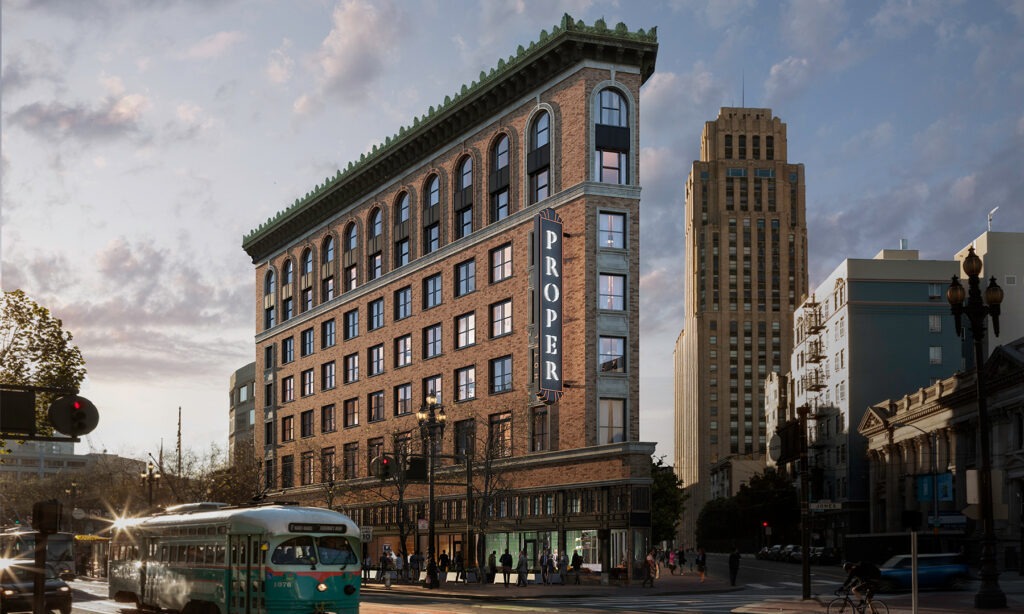
Executive Summary As of early 2026, Proper Hospitality has emerged as a leader in the luxury boutique hotel sector, achieving estimated revenue growth of 15-20% in 2025 to approximately $300-400 million, driven by post-pandemic demand for wellness-focused experiential travel and expansions in key markets. The flagship Proper Hotels & Residences brand, alongside The Collective portfolio (including Hotel June, Avalon, and independent properties), generated strong occupancy rates averaging 75-80% across urban creative hubs, with high-margin wellness and dining services contributing 30-40% to ancillary revenue.
This performance underscores Proper’s vertical integration model—encompassing design, branding, operations, and partnerships—that captures value from bespoke luxury experiences blending local culture, intuitive wellness, and sophisticated amenities. With 10+ properties and new developments in pipeline, Proper is positioned for continued mid-teens growth in 2026, leveraging industry trends like premiumization (luxury RevPAR up 5.7% in 2025 per STR) while navigating cost pressures. Regulatory stability and sustainability focus further strengthen its moat in the $250B+ global luxury hospitality market.
Introduction This corporate case study examines Proper Hospitality, a premier operator in the luxury boutique and wellness hotel space. As of March 2026, Proper stands at the intersection of design innovation, cultural immersion, and holistic wellbeing, redefining modern luxury for experiential travelers. The analysis explores how the company maintains premium positioning through curated portfolios, strategic partnerships, and adaptive strategies amid evolving consumer preferences and economic dynamics in the post-pandemic era.
Company Overview Proper Hospitality, headquartered in Santa Monica, California, is a hospitality management company founded in 2014 by Brad Korzen (former CEO of Viceroy Hotel Group), Brian De Lowe, and Alex Samek. It designs, brands, and operates high-end lifestyle experiences under flagship brands like Proper Hotels & Residences, Hotel June, Avalon Hotels, and a curated portfolio called The Collective (including Ingleside Estate, The Culver Hotel, and Montauk Yacht Club). With properties in creative urban hubs across the U.S., Proper emphasizes one-of-a-kind hotels that integrate local culture with global sophistication. In 2025, the company managed 10+ properties, hosting over 500,000 guest nights and expanding its footprint in emerging districts.
Product/Service/Brand Analysis Proper’s offerings center on luxury boutique hotels and residences with integrated wellness, dining, and cultural programming. The Proper Hotels brand features bold design, state-of-the-art fitness centers, spas, and Recovery Suites (e.g., cold plunges, red light therapy). Dining focuses on seasonal, wellness-first menus free from industrial oils, sourced from local farms. The Collective extends this to independent properties with timeless architecture and artisanal craft. The brand positions as “uncommon luxury”—a looser, modern vibe for travelers seeking recharge over opulence, with seamless integration of events like yoga flows, sound baths, and biodynamic tastings.
Strengths and Weaknesses Proper’s strengths include innovative design philosophy (elevated, expressive spaces), wellness integration (driving 20-30% premium pricing), and strategic locations in high-demand creative hubs (e.g., Austin, SF). Vertical integration from development to operations ensures quality control and high margins (estimated 50-60% on ancillaries). Awards like Condé Nast Traveler’s Hot List and Travel + Leisure’s World’s Best affirm brand authority.
Weaknesses involve limited scale compared to chains (10+ properties vs. thousands), vulnerability to urban market fluctuations, and high operational costs in wellness/dining (e.g., sourcing regenerative ingredients). As a private entity, funding for rapid expansion relies on partnerships, potentially slowing growth amid 2026’s projected 1-2% industry ADR rise.
Buyer Persona Development The “Wellness Wanderer” is a high-net-worth millennial/Gen Z professional (25-45) seeking immersive, restorative escapes; values sustainability, local authenticity, and tech-enabled personalization. The “Creative Executive” targets business travelers in creative industries, prioritizing design-inspired workspaces and networking events. The “Local Connoisseur” includes urban residents using properties for dining/wellness memberships.
Customer Pain Points and Needs Travelers face “Wellness Overload” from fragmented experiences, high urban stress, and inconsistent sustainability. Needs include seamless recharge (e.g., personalized spas), cultural connection without hassle, and value in premium pricing amid economic pressures (e.g., flexible bookings).
Touchpoint Identification Key touchpoints: Proper’s website/app for bookings and insider perks, property arrivals with intuitive check-ins, dining/spa reservations via mobile, social media for event teasers, and post-stay emails for loyalty rewards (e.g., Marriott Bonvoy integration).
Addressing Pain Points with Solutions Proper mitigates wellness fragmentation with integrated amenities (e.g., Recovery Suites, seed oil-free menus). Flexible stays via Proper Insider address pricing concerns, while cultural programming (e.g., HIIT classes, DJ sets) fosters connection. Sustainability through local sourcing reduces eco-anxiety.
Usage Scenarios In a “Weekend Recharge” scenario, a guest at Santa Monica Proper starts with rooftop yoga, enjoys a farm-to-table brunch, unwinds in a Recovery Suite with red light therapy, and attends a biodynamic wine tasting—seamlessly blending wellness and culture. In a “Business Blend,” an executive at Austin Proper uses co-working spaces, networks at creative events, and recharges with spa services.
Monetization Strategies Proper employs a hybrid model: Room rates (premium ADR $400-600), high-margin ancillaries (wellness/dining 30-40% of revenue), residences sales/leasing, and memberships (Proper Club). Partnerships like Marriott Bonvoy drive loyalty rewards, while events/sponsorships add diversified income.
Implementation Plan Proper’s 2026 plan emphasizes portfolio expansion (new properties in emerging markets), wellness tech upgrades (e.g., AI-personalized experiences), and sustainability initiatives (carbon-neutral goals by 2030). Diversify into non-urban retreats while optimizing operations via data analytics.
Measuring Success Metrics include occupancy (75-80%), RevPAR growth (target 5-7%), ancillary revenue share (30-40%), NPS (85+), and repeat guest rate (40%). Awards and media mentions track brand equity.
Competitive Benchmarking Proper outperforms peers like Ace Hotel (design focus but less wellness) and 1 Hotels (sustainability but broader scale) in integrated experiences, capturing higher loyalty in luxury boutique segment (market share ~5-10% in key cities). Vs. larger chains like Marriott, Proper excels in niche personalization.
Future Opportunities Expansion into international markets (e.g., Europe/Asia), hybrid wellness-residential models, and tech integrations (AR tours, AI concierges). Capitalize on 2026’s projected 0.9% U.S. RevPAR growth via premiumization and experiential add-ons.
Conclusion Proper Hospitality exemplifies boutique luxury innovation, blending design, wellness, and culture into resilient experiences. With strong 2025 momentum and adaptive strategies, it is poised to lead the evolving hospitality landscape, though scale and cost management remain key. Proper transitions from hotels to lifestyle ecosystems, enhancing guest lives beyond stays.
Reference
- Proper Hospitality Official Site (properhotel.com/about, accessed Mar 2026).
- Sleeper Magazine: Proper Hospitality Launch (2015).
- Hospitality Design: Hotelier of the Year (2020).
- Crunchbase & LeadIQ: Company Profiles (revenue estimates).
- STR & PwC: U.S. Hospitality Directions (2025-2026 forecasts).
Written by Blaksolvent News
.