BLACKSOLVENT NEWS. 6TH AUGUST, 2025.
The battle over trust, power, and the rules that shape governance.
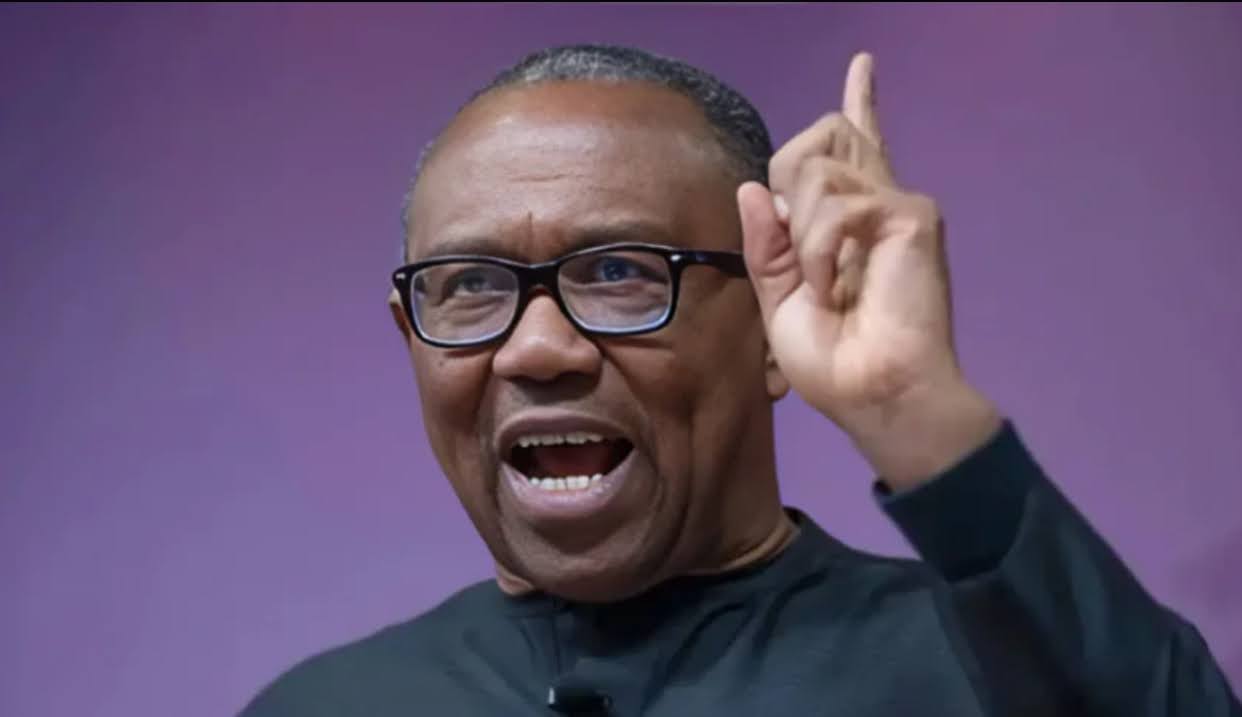
In the span of weeks, three very different political arenas; Nigeria, the United States, and Texas, have revealed a common thread: the battle over trust, power, and the rules that shape governance.
In Nigeria, Peter Obi’s vow to serve a single presidential term stands as a challenge to a political culture where promises are often stretched thin by ambition. His insistence on clean politics and results-driven leadership speaks to a yearning for trust in public life, the belief that integrity can still hold sway over expediency.
Across the Atlantic, Washington’s $15,000 visa bond pilot casts immigration through the lens of security and deterrence, asking visitors from certain nations to put down money as collateral for compliance. The move reflects a hardening of border policy but also invites questions about fairness, access, and the cost of trust in a globalized world.
And in Texas, the redistricting standoff is a raw contest over the lines that decide political futures, not just in one state, but in the halls of Congress. Arrest warrants for lawmakers who fled in protest underscore the increasingly aggressive tactics in America’s partisan chess match, where control of the map is control of the narrative.
Three places, three battles, one shared reality: in politics, the rules are never just rules. They are the ground on which legitimacy is claimed, contested, and sometimes reshaped entirely. The question that lingers is whether those rules will serve the public good or simply the players most skilled at bending them.
Peter Obi Reaffirms Clean Political Record, Declares One-Term Presidency Sufficient for Nigeria’s Transformation
Labour Party’s 2023 presidential candidate,Peter Obi, has doubled down on his commitment to clean politics, declaring that his political career remains free from any trace of electoral malpractice, violence, or underhanded tactics.
In a detailed statement shared via X (formerly Twitter) on Tuesday, Obi emphasized that his brand of politics is rooted in peace, fairness, and principled leadership. He threw down a public challenge to critics and political opponents alike to scrutinize his record and present evidence to the contrary.
“Throughout my political journey, I have never been involved in thuggery, ballot box snatching, or any form of electoral malpractice. Conduct your investigations, you will find no stains of rigging or violence associated with my name,”Obi asserted.
A Career Built on Fair Competition
The former Anambra State governor drew attention to how he has conducted himself during elections, underscoring that even his political rivals were treated with fairness and dignity.
“Ask those who have contested against me, none were ever denied their rights, framed with false accusations, or pressured financially to participate in the democratic process. I believe in fair competition, not manufactured victories,” he noted.
For Obi, politics is not a zero-sum game defined by crushing opponents, but rather an opportunity to serve with integrity while respecting democratic principles.
The One-Term Promise
Addressing the ongoing public debate surrounding his pledge to serve only one term as president,Obi expressed surprise that such a commitment has stirred controversy. He argued that the skepticism reflects a lack of faith in the power of honest, purposeful leadership.
“I still find it baffling that my decision to do a term of four years, if given the mandate to rule this country, is generating so much agitation. By this feeling, we are doubting the fact that a sincere leader can achieve much in 48 months,” he said.
Obi maintained that transformational leadership is not about clinging to power, but about delivering results within a clear and accountable timeframe.
Rejecting Desperation for Power
In a political climate often dominated by aggressive rhetoric, shifting positions, and unrealistic promises, Obi distanced himself from what he described as desperate political behavior.
“I have never been desperate in the pursuit of power, or anything else, for that matter. What drives me is not personal ambition, but a deep commitment to see Nigeria work. And if the sacrifice required of me is four years of sincere, accountable leadership, so be it,” he affirmed.
A Four-Year Roadmap for Change
Obi believes that a focused administration, unencumbered by political distractions,can achieve major reforms within a single term. His vision includes:
Combating corruption head-on, with a zero-tolerance approach to mismanagement of public funds.
Redirecting resources from non-essential expenses, such as the acquisition of new presidential aircraft, toward education, healthcare, and infrastructure.
Strengthening the rule of law, ensuring that legal frameworks are respected and enforced without fear or favor.
Conducting free, fair, and credible elections to restore trust in Nigeria’s democratic system.
“In four years, we can redirect the trillions used for unnecessary luxuries into critical sectors that will transform lives. We can make the rule of law sacrosanct and guarantee that elections truly reflect the will of the people,”he said.
Leadership as Service, Not Entitlement
Concluding his statement, Obi restated his belief that leadership is not a personal prize but a solemn duty to the nation.
“Leadership, to me, is not about entitlement. It is about service. If given the mandate, for just one term, I will dedicate every moment to building a Nigeria that works for all,” he declared.
For Obi, the message is clear: politics must be cleansed of the desperation and self-interest that have long plagued Nigeria’s governance.
His call is for a results-driven, integrity-based leadership model, one that can deliver substantial change in four years without the need for endless political tenure.
US Launches $15,000 Visa Bond Pilot to Curb Overstays and Enhance Screening for Certain Foreign Nationals
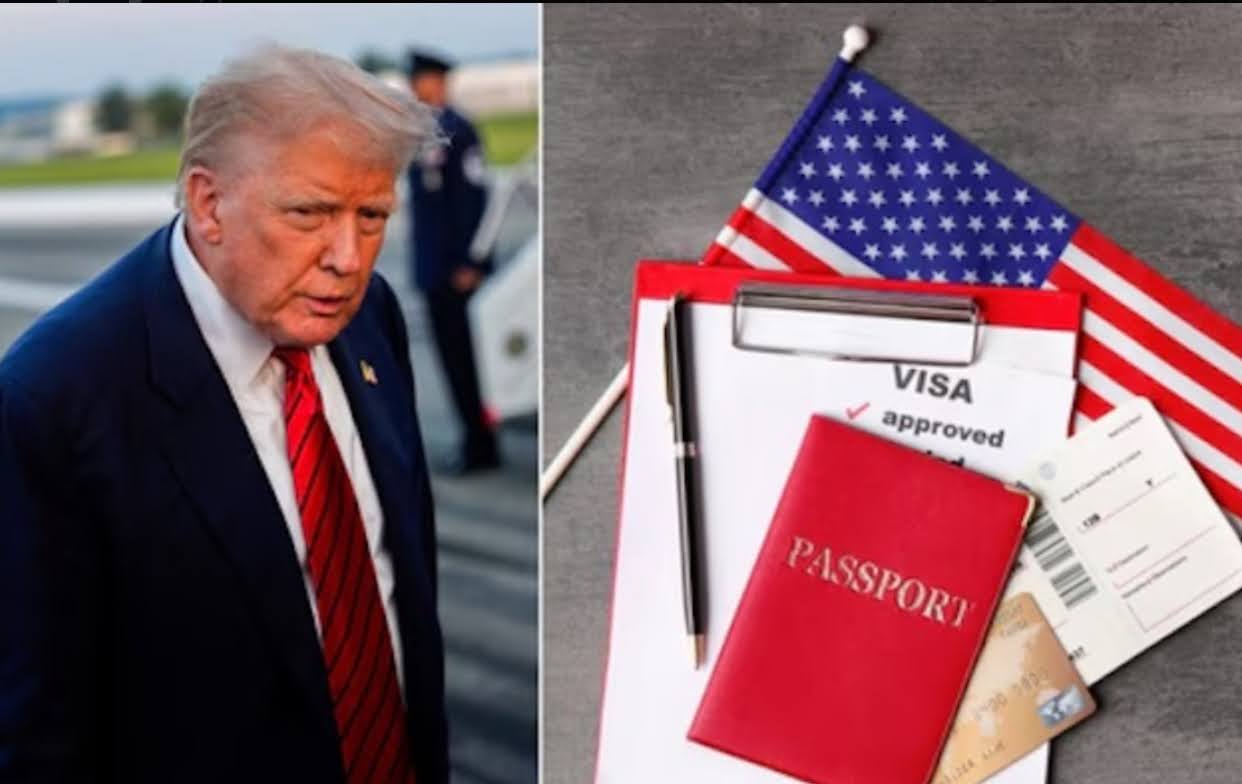
The United States is set to introduce a 12-month pilot programme that could require certain foreign nationals to pay a refundable bond of up to $15,000 before being granted a temporary tourist or business visa.
According to a notice from the US State Department published on Tuesday, the initiative will apply to specific applicants deemed to come from countries with high visa overstay rates, inadequate screening and vetting information, or those that offer citizenship-by-investment without residency requirements. The programme will cover visitors applying under the B-1 (business)or B-2 (tourism) visa categories.
While the notice does not disclose the list of countries affected, consular officers will have the discretion to determine whether an applicant is subject to the bond requirement based on the programme’s criteria.
“Aliens applying for visas as temporary visitors for business or pleasure (B-1/B-2) and who are nationals of countries identified by the Department as having high visa overstay rates, where screening and vetting information is deemed deficient, or offering Citizenship by Investment… may be subject to the pilot program,” the State Department notice states. “Consular officers may require covered non-immigrant visa applicants to post a bond of up to $15,000 as a condition of visa issuance, as determined by the consular officers.”
A Broader Immigration Crackdown
The policy aligns with a series of measures undertaken by the US administration to further President Donald Trump’s immigration agenda, which has consistently prioritized tighter border controls, stricter visa rules, and a reduction in illegal immigration.
Trump, on the first day of his second term in office, signed an executive order aimed at reinforcing these objectives. Since then, his administration has rolled back humanitarian programmes protecting migrants from certain countries already living in the US and has expanded travel restrictions.
At present, the US has imposed full travel bans on foreign nationals from 12 countries and partial restrictions on individuals from an additional seven. These measures are officially justified as necessary for national security, particularly for countries where background checks and identity verification are considered unreliable.
Impact on Students and Advocacy Groups
Beyond targeting travellers seeking new visas, the administration has also acted against individuals already residing in the US. Immigration lawyers report that hundreds of international students have had their visas revoked, sometimes while they were enrolled in academic programmes, leaving them with no prior warning or opportunity to appeal.
Some of these cancellations appear to be linked to political activities, particularly pro-Palestinian advocacy, which officials have argued runs counter to US national interests. Others have been connected to relatively minor legal infractions, such as traffic violations, while some have stemmed from undisclosed security concerns.
The Bond Mechanism: How It Works
Under the pilot programme, a consular officer may require an applicant to post a visa bond of up to $15,000 before a visa is issued. The bond is designed as a financial guarantee that the individual will comply with the terms of their visa, including departing the US on time.
If the visa holder abides by the stipulated conditions, the bond will be refunded in full at the end of their authorised stay. However, if the visitor overstays or violates visa terms, the bond may be forfeited.
The State Department has positioned the policy as a targeted approach to address a long-standing challenge: visa overstays, which contribute significantly to the undocumented population in the United States. By requiring a financial stake from travellers deemed high-risk, the administration hopes to deter individuals from remaining in the country beyond their permitted period.
Critics Raise Concerns
Critics of the policy argue that the bond system could unfairly penalise genuine travellers, potentially limiting access for individuals from low-income backgrounds or from countries with strained diplomatic relations with the US. Immigration rights advocates also caution that the discretionary nature of the policy could lead to inconsistent application and potential profiling.
Nevertheless, the administration maintains that the measure is both lawful and necessary, particularly in light of what it describes as systemic challenges in verifying the backgrounds of certain foreign nationals.
Looking Ahead
The $15,000 visa bond programme will operate for 12 months from its launch date, after which the State Department will assess its effectiveness in reducing overstays and improving compliance with US immigration laws.
The initiative represents a new chapter in the administration’s broader immigration strategy, one that increasingly blends financial deterrents with heightened screening measures. Whether it becomes a permanent fixture in US visa policy will depend on the pilot’s outcomes, its reception by the public, and potential challenges from human rights groups and foreign governments.
As immigration remains one of the most contentious topics in US politics, this programme underscores the administration’s intent to place compliance and security at the heart of its visa system,even at the cost of placing additional financial burdens on prospective visitors.
Texas Republicans Authorize Arrests of Democrats Who Fled State Over Redistricting Dispute
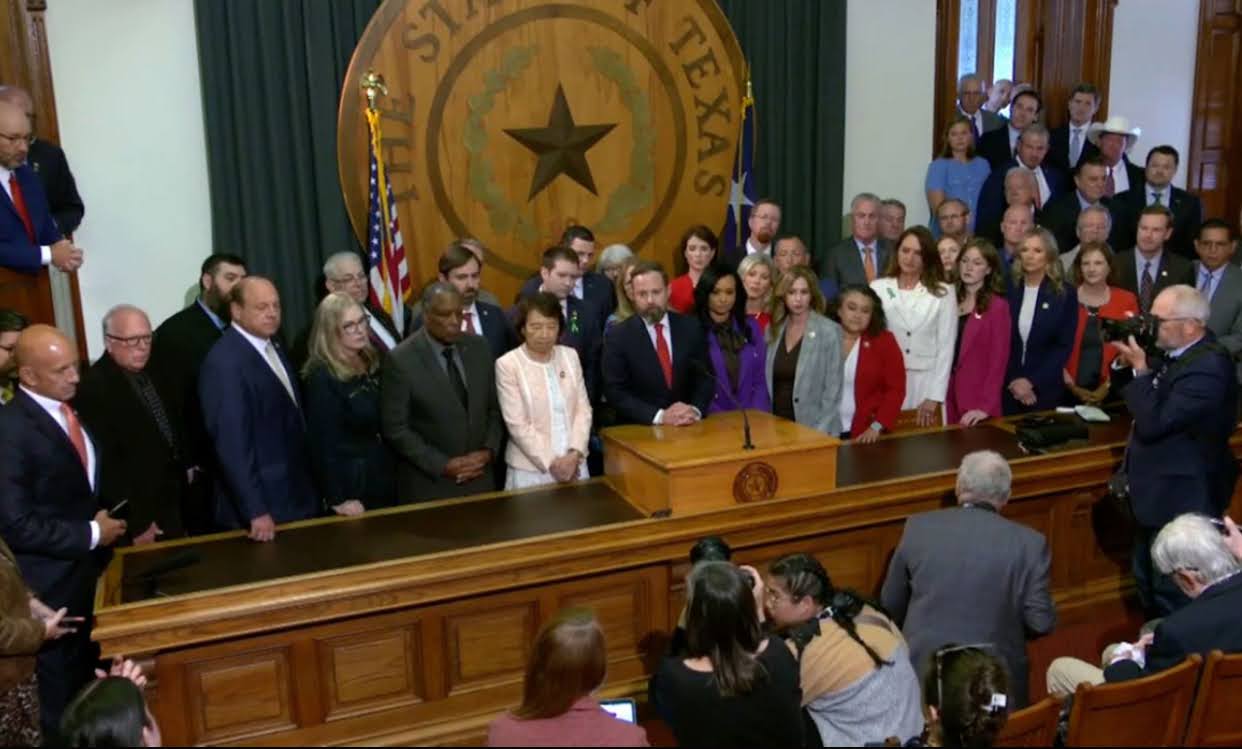
A deepening political standoff in Texas has escalated after Republican legislators voted to authorize the arrest of more than 50 Democratic lawmakers who fled the state in an effort to block a controversial redistricting plan.
Governor Greg Abbott, a Republican, swiftly ordered state troopers to “locate, arrest, and return to the House chamber any member who has abandoned their duty to Texans”, as the GOP seeks to push through a new congressional map that would secure additional Republican-leaning seats ahead of next year’s midterm elections.
The proposed map, drawn by the Republican controlled legislature, could increase the party’s share of Texas’s 38 congressional seats from 25 to 30, solidifying GOP influence in Washington by creating five new districts that former President Donald Trump carried by at least 10 points in 2020.
The Quorum Collapse
Under Texas law, at least two-thirds of the 150 member House must be present for legislative business to proceed. The quorum was broken after more than 50 Democrats left the state, with most travelling to Illinois. There, Governor JB Pritzker, a Democrat, pledged to “do everything we can to protect every single one of them” from the arrest orders issued in Texas.
The Democratic lawmakers have said they will remain out of state for the duration of the special legislative session, approximately two weeks,in an attempt to delay or derail the redistricting vote.
Symbolic but High-Profile Arrest Orders
While the House vote to issue arrest warrants is largely symbolic, since Texas law enforcement lacks jurisdiction beyond state borders,it empowers the chamber’s sergeant-at-arms and state troopers to detain absent members who return to Texas and bring them directly to the Capitol in Austin.
The warrants carry no criminal charges; however, absent lawmakers face a $500 fine for each day they fail to appear. Abbott has also threatened possible bribery charges if Democrats raise public funds to pay those fines or to finance their continued absence.
“It would be bribery if any lawmaker took money to perform, or refuse to perform,an act in the legislature,” Abbott told Fox News, claiming there were reports that Democratic legislators had both solicited and offered funds to avoid returning for the vote.
Republican Pushback on Gerrymandering Claims
Democrats argue the proposed maps dilute minority voting power and entrench partisan control. But Republican lawmakers have dismissed these allegations.
State Representative **Brian Harrison called the claims “preposterous, cynical, and dishonest”, adding that Democrats “need to be arrested” and face “all kinds of other punishments” for their boycott.
Texas Attorney General Ken Paxton, who is seeking a US Senate seat, reinforced the hardline stance, writing on X (formerly Twitter) that the state should “use every tool at our disposal to hunt down those who think they are above the law.”
The Partisan Redistricting Battle
The confrontation in Texas is part of a broader national struggle over gerrymandering, the partisan manipulation of electoral district boundaries. According to the nonpartisan Princeton Gerrymandering Project, both parties have used redistricting to their advantage where they control the process.
Democrats in states such as Illinois, New Mexico, and Nevada have pursued their own partisan redraws, while others,like New York Governor Kathy Hochul, are considering measures to accelerate redistricting in response to Republican gains in Texas.
However, not all Democratic-led states follow this path. In New York, California, Colorado, and Washington, electoral maps are drawn by independent, nonpartisan commissions.
An Unusual Mid-Decade Redraw
Traditionally, redistricting occurs every 10 years after the US Census to reflect population changes. The last nationwide census was conducted in 2020. While redrawing maps mid-decade is unusual, Texas Republicans argue the move is necessary to correct imbalances and secure representation aligned with recent political trends.
What Comes Next
With both sides entrenched, the standoff is likely to continue until the special legislative session expires or until Democrats return to Texas. If they do, state troopers will have the authority to escort them directly to the House floor for a vote.
The outcome could reshape not only the political map of Texas but also the partisan balance in the US House of Representatives, where Republicans currently hold a narrow majority.
For now, Texas finds itself at the centre of a high-stakes political showdown, one that blends local legislative maneuvering with national electoral consequences, all under the glare of an increasingly polarized political climate.