BLACKSOLVENT FINANCE NEWS | 30TH SEPTEMBER,2025
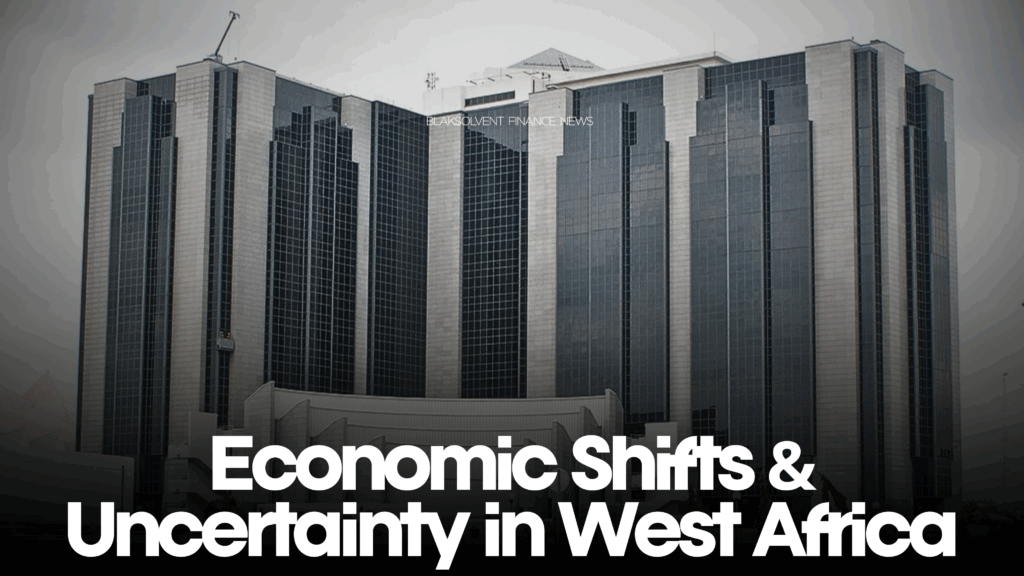
ECONOMIC SHIFTS AND UNCERTAINITY IN WEST AFRICA
Recent developments across West Africa highlight a region at a pivotal juncture, where economic policies, labor relations, and political transitions intersect. From Nigeria’s central bank adjusting interest rates to labor unrest in its oil sector, and Guinea preparing for its first post-coup election, these stories underscore the complex dynamics shaping the region’s future.
Nigeria’s Central Bank Cuts Interest Rates Amidst Declining Inflation
BY BLACKSOLVENT NEWS
On September 23, 2025, the Central Bank of Nigeria (CBN) reduced its benchmark interest rate by 50 basis points to 27%, marking its first rate cut since 2020. This decision follows a consistent decline in inflation, which fell to 20.12% in August, continuing a five-month downward trend. Governor Olayemi Cardoso cited the need to stimulate economic growth and support the manufacturing sector, which has been underperforming due to previous high-interest rates.
The rate cut aims to ease borrowing costs and encourage investment, signaling a shift towards a more accommodative monetary policy. Additionally, the CBN lowered the cash reserve ratio for commercial banks from 50% to 45%, aiming to increase liquidity in the banking system. Analysts suggest that further rate cuts may follow if inflation continues to decline in the coming months.
While the rate cut is expected to benefit businesses and consumers, some economists caution that it may lead to increased inflationary pressures if not managed carefully. The CBN’s ability to balance stimulating economic growth with controlling inflation will be crucial in the coming months.
Labor Unrest Disrupts Nigeria’s Oil Sector
BY BLACKSOLVENT NEWS
The Petroleum and Natural Gas Senior Staff Association of Nigeria (PENGASSAN) initiated a nationwide strike following the dismissal of over 800 workers by Dangote Refinery. The workers say they were fired for attempting to unionize, while the refinery contends the move was necessary amid staff reorganization and allegations of sabotage.
The strike has shuttered several key state and regulatory institutions, including operations at NNPC Limited, the Nigerian Upstream Petroleum Regulatory Commission (NUPRC), and the Nigerian Midstream and Downstream Petroleum Regulatory Authority (NMDPRA). Despite attempts by the government to mediate, PENGASSAN remains steadfast, saying the court order to block crude and gas su by pply disruptions was never formally served.
Industry analysts view the deal as part of a wider shift among international oil companies operating in Nigeria, who are streamlining offshore portfolios while divesting onshore assets that face persistent security and theft challenges.
Ghana’s Central Bank Cuts Policy Rate by 350 Basis Points to 21.5%
Ghana’s central bank surprised markets on September 17, 2025, by cutting its policy rate by 350 basis points to 21.5%, a move larger than most analysts expected. The Monetary Policy Committee said the decision was driven by a faster-than-anticipated slowdown in inflation and improving macroeconomic indicators, giving policymakers room to ease after a long period of tight monetary policy.
The bank highlighted that headline inflation had been trending down from double digits earlier in the year toward its medium-term target and that growth prospects were strengthening, which supported the case for a sizeable cut. Officials said they would continue to monitor inflation dynamics and that further adjustments would depend on incoming data, including food prices and exchange‑rate movements.
Markets reacted quickly: short‑term yields fell, borrowing costs eased for some businesses, and analysts said the move could help revive credit activity if banks pass on lower rates to customers. However, several economists warned that the scale of the cut raises risks if inflationary pressures reappear or if fiscal policy slips, stressing the need for coordination between monetary and fiscal authorities.