Between Protest, Triumph, and Tradition in Global Sports
Sports are rarely just about the games we watch or the scores we celebrate, they are deeply woven into the politics, cultures, and economies of our time. The tension in Angola, where civil groups are urging Lionel Messi to cancel a high-profile friendly amid protest killings, reminds us that football and morality often collide, forcing players to grapple with their influence beyond the pitch. In contrast, Carlos Alcaraz’s triumph in Cincinnati after Jannik Sinner’s retirement embodies the resilience and unpredictability that define tennis at its highest level, cementing the Spanish prodigy’s place in a new era of the sport. Meanwhile, the PGA Tour’s announcement of the 2026 FedExCup schedule marks not just another season of golf, but a milestone, the twentieth year of a format that revolutionized how golf is structured and consumed globally. Together, these stories highlight the multidimensional nature of sports: as platforms of resistance, as stages of individual brilliance, and as institutions that celebrate legacy. In every headline, we are reminded that sports mirror society, its struggles, its victories, and its long traditions.
Angolan Civil Groups Urge Lionel Messi to Cancel Friendly Match Amid Protest Killings BY BLAKSOLVENT
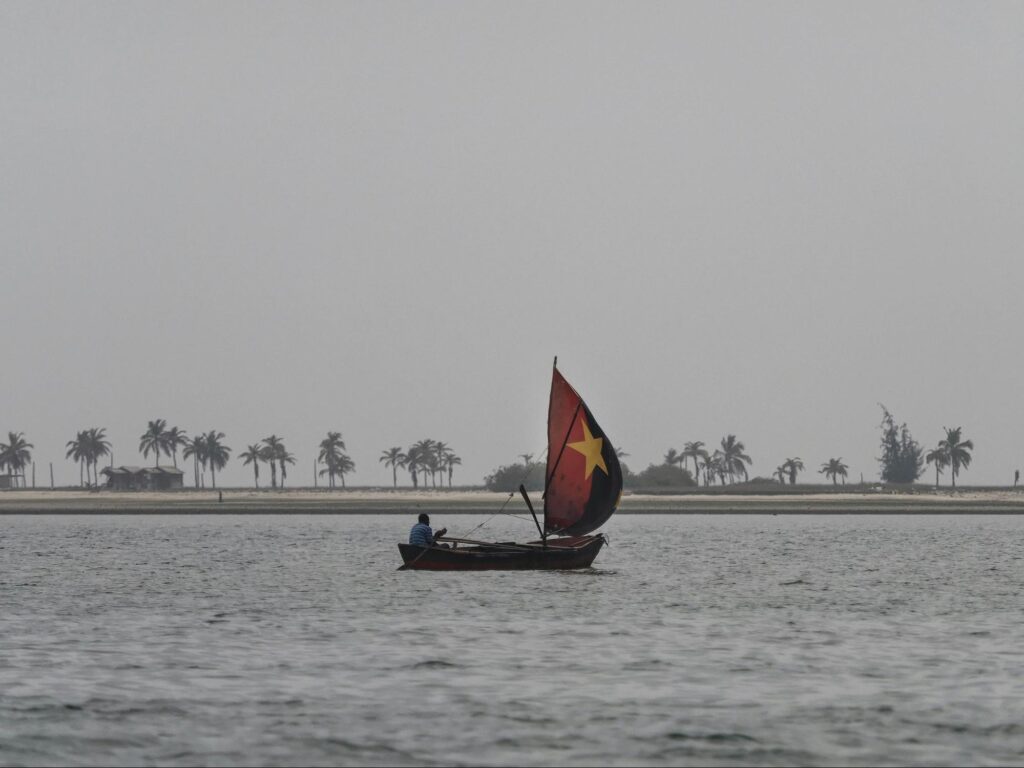
Lionel Messi, one of the most recognizable figures in football and arguably the greatest player of his generation, has once again found himself caught at the intersection of sports and politics. This time, it is not a question of on-field brilliance or transfer speculation, but rather a plea from Angolan civil society groups urging him to cancel an upcoming friendly match in the country. The calls come against the backdrop of escalating tensions in Angola, where protests against government policies have been met with violent crackdowns, leading to numerous civilian deaths.
At the heart of the issue lies a fundamental question: what is the role of sports, and particularly sports icons when political turmoil and human rights abuses loom large? For Angolans, Messi’s presence is more than a footballing spectacle. To government officials, it represents legitimacy, an international stamp of approval for a regime facing global criticism. For activists and civil society organizations, it represents complicity, an endorsement of a system that has chosen bullets over dialogue.
The stakes are high. Angola has long sought to use sports as a vehicle to rehabilitate its international image. Hosting global stars like Messi is part of a broader strategy to showcase progress and modernity. But critics argue that beneath the veneer of stadium lights and jerseys lies a darker reality: one of suppressed dissent, restricted freedoms, and unaddressed inequalities.
Messi’s predicament echoes a recurring theme in global sports: athletes often find themselves unwillingly politicized. Just as Muhammad Ali once refused to be drafted into the Vietnam War, citing moral convictions, and just as contemporary athletes like Marcus Rashford or LeBron James use their platforms to push for social justice, Messi is now being asked to wield his global influence for something bigger than football.
What happens if he cancels? The immediate fallout would likely be diplomatic, perhaps even financial, as match organizers and sponsors scramble to address losses. But the symbolic impact would be seismic. It would send a message not only to Angolans but to the world that even the brightest star in world football will not lend his glow to regimes that dim the lives of their people. On the other hand, if Messi proceeds, critics fear it will embolden the government, allowing it to parade the event as proof of international approval while grieving families mourn in the shadows.
This controversy highlights the delicate balance between sports entertainment and moral responsibility. Fans may argue that football should remain apolitical, a neutral ground where politics takes a backseat. But history suggests otherwise: from the 1968 Black Power salute at the Olympics to boycotts of apartheid South Africa, sports has often been inseparable from politics.
For Messi, the decision is no longer about football, it is about legacy. Will he be remembered only for his goals, assists, and trophies, or also for his stance or silence, in moments of moral reckoning? The world watches, not just for the match, but for the message his choice will send.
Carlos Alcaraz Claims Cincinnati Open Title as Jannik Sinner Retires Mid-Final BY BLAKSOLVENT

In the ever-evolving landscape of tennis, a new chapter has been written, and its protagonist is Carlos Alcaraz. The young Spaniard claimed victory at the Cincinnati Open, one of the key lead-up tournaments to the US Open, after Italian rival Jannik Sinner retired due to injury midway through the final. While the win was bittersweet given the circumstances, it underscored Alcaraz’s rising dominance in the sport and cemented his reputation as the heir apparent to the era once dominated by the “Big Three” Roger Federer, Rafael Nadal, and Novak Djokovic.
The final had been billed as a clash of the sport’s brightest young stars. Alcaraz, with his explosive athleticism and aggressive baseline game, has quickly captured the imagination of fans worldwide. Across the net stood Sinner, whose precision, composure, and adaptability had positioned him as one of the few capable of matching, and even besting Alcaraz in recent encounters. The stage was set for a rivalry that promised to define tennis for the next decade.
But fate intervened. After a tightly contested opening set, Sinner began to struggle visibly, his movements restricted by what appeared to be a lingering injury. Despite attempts to soldier on, it soon became clear that he could not continue at the level required to challenge Alcaraz. With disappointment etched across his face, Sinner was forced to retire, handing the title to his opponent.
While some fans lamented the anticlimactic end, the match still carried weighty implications for the sport. Alcaraz’s triumph even under these circumstances reinforced his resilience, consistency, and ability to capitalize on opportunities. His celebrations, subdued yet meaningful, reflected not just joy in victory but empathy for his rival, highlighting a sportsmanship often missing at the elite level.
The win also sets the stage for Alcaraz heading into the US Open. With Nadal nearing the twilight of his career and Djokovic still formidable but gradually yielding to time, Alcaraz represents the future of tennis. His ability to seamlessly transition from clay to grass to hard courts, coupled with his fearless shot-making, suggests a player capable of not only winning Grand Slams but dominating the sport for years.
As for Sinner, his setback in Cincinnati raises questions about his fitness but not his potential. Rivalries are forged in adversity, and this disappointment may only fuel his determination to return stronger. In many ways, the rivalry between Alcaraz and Sinner mirrors the Nadal-Federer dynamic of the early 2000s contrasting styles, mutual respect, and a shared destiny to push each other to greater heights.
The Cincinnati Open, then, was more than just another tournament. It was a glimpse into the future of tennis, a stage where the torch is not merely passed but fought for. And while Sinner’s retirement meant the battle ended prematurely, the war for supremacy between these two young titans is only just beginning.
PGA Tour Announces 2026 Schedule, Celebrating 20 Years of the FedExCup Era BY BLAKSOLVENT

Golf may not command the same global frenzy as football or tennis, but within its traditions lies a deeply loyal audience. For the PGA Tour, 2026 will mark a landmark occasion: the twentieth anniversary of the FedExCup, the playoff format introduced in 2007 that transformed the way professional golf is played, followed, and commercialized. To mark the milestone, the PGA Tour has unveiled its schedule for the 2026 season, promising a blend of tradition, innovation, and celebration.
The FedExCup was, at its inception, a bold experiment. Golf had long been criticized for its fragmented calendar, with major tournaments standing apart but little cohesion binding the season together. The introduction of the FedExCup provided a narrative arc points accumulated across the season leading into a high-stakes playoff that culminated in the crowning of a season champion. It was golf’s attempt to inject drama akin to playoffs in other sports, and two decades on, the results speak for themselves.
The 2026 schedule aims not just to maintain that legacy but to elevate it. With stops across North America, Europe, and Asia, the Tour seeks to reflect golf’s increasingly global appeal. Special events are planned to commemorate the anniversary, including exhibitions featuring legends who helped define the FedExCup era think Tiger Woods, Rory McIlroy, and Phil Mickelson. The season will also integrate technological innovations, from enhanced broadcast analytics to immersive fan experiences both online and on-site.
Yet beyond the celebration lies a deeper narrative: the FedExCup has fundamentally altered how players approach their careers. Consistency across the season is now rewarded, making every tournament meaningful in the broader race. For fans, it has created a storyline that builds momentum rather than dissipates between majors. And for sponsors, it has provided an attractive product with defined peaks of attention.
As the 2026 season unfolds, the PGA Tour will not only celebrate twenty years of evolution but also grapple with its future. Rival tours, most notably LIV Golf, continue to challenge its dominance, raising questions about how the sport can reconcile tradition with disruption. The anniversary, then, is both a victory lap and a moment of introspection: what has the FedExCup achieved, and where does golf go next?
For fans, however, the answer may be simpler. The FedExCup has given them a reason to care week in, week out. It has created heroes, rivalries, and unforgettable finales. As the PGA Tour raises a glass to twenty years, it is not just celebrating a format but the countless stories it has enabled.