What Cringe, Chicken, and Content Tell Us About the Future of Culture
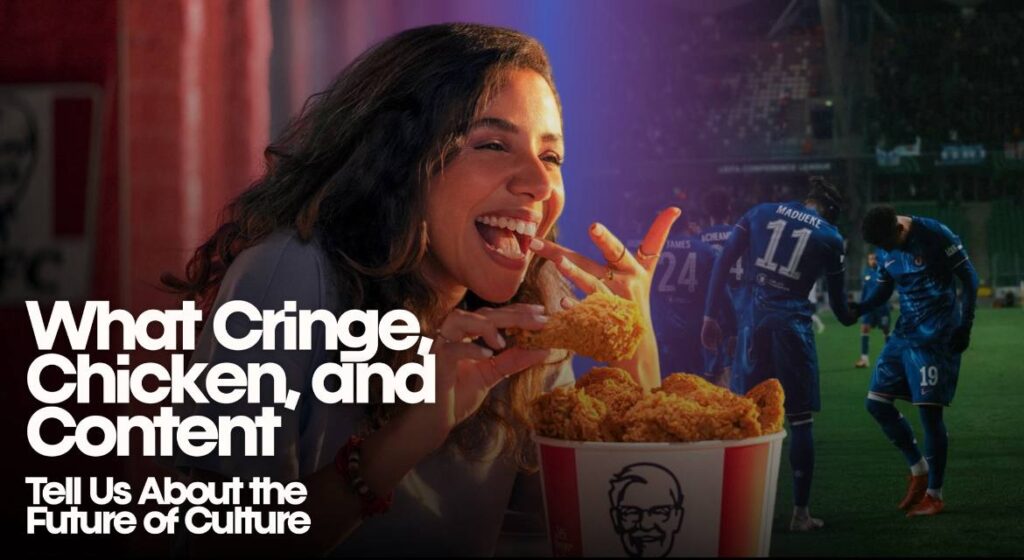
In a world oversaturated with options, three brands; JanSport, KFC, and OneFootball are rewriting the rules of engagement. Their message is subtle but seismic: winning attention today isn’t about being the best, it’s about being the most felt.
JanSport leaned into awkward nostalgia with pride, proving that cringe is no longer a liability, it’s a cultural currency for a generation that values honesty over polish. By reviving its low-budget back-to-school ads and embracing the irony, the brand gave Gen Z something rare: permission to laugh, relate, and remember who they are.
KFC, meanwhile, took a detour from parody and found strength in sincerity. Its serious reimagining of Colonel Sanders isn’t just a cosmetic shift—it’s a call to roots, a message that legacy matters when told with conviction. In ditching gimmicks, KFC rediscovered what made people care in the first place.
And then there’s OneFootball, where Eddie Rivoldi reminded us that the game isn’t over at full-time, it’s just beginning. As football fans become creators and commentators in their own right, content becomes the connective tissue between passion and participation. Football is no longer a sport you watch—it’s a world you live in.
Together, these stories signal a bigger transformation. We are moving from spectacle to substance, from attention-grabbing stunts to emotionally grounded storytelling. The brands that thrive now aren’t the loudest—they’re the ones that mean something.
Cringe became connection. Comebacks became credibility. And content became currency.
That’s the playbook. That’s the moment. That’s the future.
Rewinding for Relevance: How JanSport’s ‘Cringe’ Strategy Struck a Chord with Gen Z
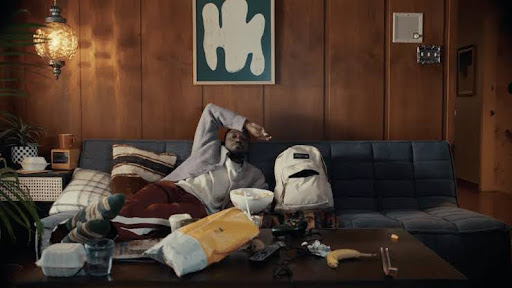
In a bold marketing move, iconic backpack brand JanSport has doubled down on nostalgia—reviving its awkward, once-mocked back-to-school campaigns—in a bid to reconnect with Gen Z. What might have been dismissed a decade ago as cheesy or outdated has become one of the brand’s most effective strategies to date, thanks to a clever understanding of how younger consumers view humor, identity, and digital storytelling.
Cringe Is the New Cool
For many millennials, JanSport’s classic back-to-school ads from the early 2000s evoke memories of locker-lined hallways, awkward puberty years, and simpler pre-smartphone times. But to Gen Z—who have built a culture around meme irony, emotional vulnerability, and embracing the “awkward”—those ads represent authenticity.
“We realized what was once considered cringe is now comfort food for Gen Z,” said Monica Rigali, Vice President of Marketing at JanSport. “There’s this weird, joyful acceptance of all things retro, awkward, and sincere. That’s where we’re meeting them.”
JanSport’s newest campaign, titled “Pack That Cringe”, features rebooted scenes from their early 2000s commercial archives, complete with grainy VHS effects, over-the-top jingles, and low-budget dance choreography. The campaign was designed to feel “deliberately embarrassing,” playing into the kind of humor that thrives on TikTok and Instagram Reels.
A Playbook Built on Self-Awareness
Instead of running from their history, JanSport leaned into it. The brand partnered with creators who specialize in satire and low-fi aesthetics to amplify the campaign’s reach. One TikTok influencer with over 3 million followers stitched a JanSport ad with the caption: “This is so painfully 2005, I love it.” The video went viral within hours.
But beyond irony, the campaign is anchored in emotion. JanSport also launched a mini-docuseries featuring real Gen Z students sharing unfiltered stories about anxiety, first-day jitters, and school pressure. Each story ends with the student choosing their backpack—not just as a utility, but as a symbol of personal expression and support.
“Our bags carry more than books—they carry your identity,” Rigali said. “Gen Z wants brands that get that.”
Why This Strategy Worked
- Nostalgia with a Twist: Gen Z doesn’t just revisit the past—they remix it. JanSport’s campaign allowed them to interact with the brand on their terms.
- Embracing Imperfection: Polished perfection is out. Cringe is in. The rawness of JanSport’s revived ads broke through the highly curated noise of modern advertising.
- Emotional Resonance: By blending humor with real talk, JanSport proved it understands both the psyche and social language of its audience.
- Platform-Native Content: Every ad asset was optimized for mobile and short-form platforms like TikTok, where Gen Z lives, laughs, and shares.
Commercial Payoff
Early numbers show the strategy is paying off. JanSport reported a 22% increase in online sales during the first three weeks of the campaign compared to the same period last year. Engagement on social media tripled, and the brand gained over 100,000 new followers on TikTok alone.
Retail partners are also taking note. “The backpack aisle has heat again,” said a rep from Target. “JanSport’s presence this year is stronger than it’s been in years.”
The Bigger Picture
JanSport’s gamble isn’t just about selling backpacks. It’s a cultural lesson in knowing when to stop chasing trends—and when to own your past. In a hyper-digitized world where authenticity often gets drowned in performance, JanSport’s strategy underscores one truth: sometimes, the best way forward is through the past.
The Colonel’s Reinvention: KFC’s Bold Rebrand Signals a Comeback Era in Full Swing
In an era where legacy brands are constantly being challenged to stay relevant, KFC has made an audacious pivot—unveiling a reimagined Colonel Sanders as part of its high-stakes “Comeback Era” campaign. And this time, the famous white-suited figure isn’t just a mascot—he’s a movement.
With global sales growth slowing and younger audiences drifting toward edgier, socially driven fast-food competitors, KFC is now betting that a fresh, emotionally charged revival of its founding icon will reconnect it with new diners and rekindle nostalgia in old ones.
From Satire to Substance
For years, KFC used Colonel Sanders as a rotating caricature—portrayed by celebrities like Reba McEntire, Rob Lowe, and even Mario Lopez in a bizarre “sexy Colonel” phase. But in 2025, the fast-food giant has abandoned the parody. The new Colonel is serious, grounded, and mission-driven.
In the latest ads, he isn’t cracking jokes—he’s standing in the kitchen. He’s revisiting his original recipes. He’s talking about legacy, commitment, and pride. The tone is cinematic, almost reverent. This is not the Colonel of the meme era; this is a Colonel for a generation craving meaning.
“The world has changed,” said Nick Chavez, Chief Marketing Officer of KFC U.S. “People are tired of gimmicks. They want brands with purpose, brands that mean what they say. So we brought the Colonel back—not as a joke, but as a symbol of resilience and revival.”
The “Comeback Era” Explained
The campaign—branded “The Comeback Era”—is more than just a marketing stunt. It marks a strategic reset across everything from brand visuals to menu innovation and restaurant experience.
Key highlights include:
- A Simplified, Heritage-Inspired Menu: KFC is rolling out revamped versions of its original recipes, returning to core Southern flavors while streamlining options.
- In-Store Overhaul: Restaurants are being redesigned with rustic finishes, heritage imagery, and open kitchens to reflect transparency and tradition.
- Emotional Storytelling: Ads spotlight stories of real franchise owners, long-term employees, and loyal customers who grew up with KFC.
- Cultural Positioning: The Colonel is now being cast as a symbol of personal comebacks—inviting people to “start again,” whether in life, love, or fried chicken.
Why It’s Resonating
So far, the rebrand is striking a chord—especially with Gen Z and Millennials who are increasingly skeptical of overly manufactured corporate personas. By leaning into authenticity and heritage, KFC has flipped its former image as a brand out of step with modern culture.
Social media engagement has spiked, with the #ComebackEra hashtag generating over 80 million views on TikTok within two weeks. Influencers are recreating the Colonel’s signature chicken at home, while others are drawing parallels between their personal struggles and KFC’s reawakening.
Business Impact
KFC’s internal numbers suggest the strategy is working. According to early reports:
- U.S. same-store sales have risen 7% quarter-over-quarter since the campaign launch.
- New menu items like “The Comeback Bucket” and “Heritage Chicken Sandwich” have sold out in multiple pilot markets.
- Customer satisfaction scores are at their highest in five years.
More importantly, sentiment analysis shows a 52% increase in brand trust among young consumers—something KFC hasn’t enjoyed since the early 2000s.
The New Brand Playbook?
While other fast-food giants battle it out with mascots and memes, KFC is betting that consistency and sincerity are the new disruptors. The Colonel’s return isn’t about flash—it’s about roots.
“KFC’s comeback is not about reclaiming cool,” said cultural strategist Amara St. James. “It’s about reclaiming credibility. And in this climate, that’s the ultimate flex.”
Beyond the Scoreline: OneFootball’s Eddie Rivoldi Says Content Is Now Football’s Greatest Currency
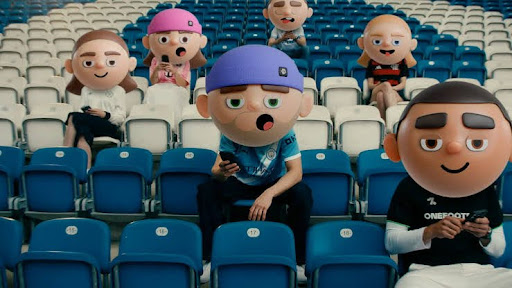
In today’s rapidly shifting sports landscape, the biggest football battles are no longer only fought on the pitch—they’re unfolding across screens, timelines, and streaming platforms. According to Eddie Rivoldi, OneFootball’s Chief Content Officer, the future of football isn’t just in 90 minutes—it’s in what happens before, between, and beyond the whistle.
Speaking at a recent global sports media forum, Rivoldi delivered a sharp message: “Content is the new competition.” And in the age of digital-first fans, that content needs to be faster, richer, and far more personal than ever before.
The Evolution of the Modern Football Fan
“Gen Z and Gen Alpha don’t just watch matches—they live football,” said Rivoldi. “They’re not waiting until the weekend to feel something. They want behind-the-scenes footage, locker room moments, transfer gossip, highlights in real-time, and memes 30 seconds after a goal is scored.”
For platforms like OneFootball, which boasts over 100 million active users worldwide, the mission has shifted from simply covering matches to owning the narrative around them. That includes daily short-form videos, creator-led commentary, deep-dive documentaries, and interactive features that let fans become part of the story.
Rivoldi explains that fans aren’t passive consumers anymore—they’re creators, critics, and collaborators. And football clubs, leagues, and broadcasters must evolve or risk irrelevance.
Football as a Content Ecosystem
OneFootball’s strategy now focuses on what Rivoldi calls “full-stack storytelling.” The idea is to wrap every game in a rich layer of content—from pre-match predictions and training clips to in-game data overlays, post-match analysis, and fan-generated reactions.
Key components of OneFootball’s approach:
- Creator Partnerships: Collaborating with fan influencers and ex-players to bring authentic, unfiltered voices into coverage.
- AI-Powered Highlights: Instant match recaps personalized for different viewing styles—casual fans, stat nerds, or tactical analysts.
- Global-Local Model: Producing content in over 15 languages to match hyper-local fan behavior with global storylines.
Why This Shift Matters
This content-led strategy isn’t just about entertainment—it’s about ownership of attention, which Rivoldi argues is the most valuable asset in football’s new era. As competition for screen time intensifies between platforms like TikTok, Twitch, YouTube, and traditional broadcasters, the sport must meet fans where they are, not where it used to be.
“Football isn’t losing fans—it’s losing patience,” Rivoldi said. “The question isn’t will they watch? The question is what will they watch when they have 100 options in their hand?”
Monetizing the Moment
OneFootball is also turning content into a core revenue stream. Through strategic licensing deals, paid content tiers, exclusive video drops, and brand partnerships, the platform is blurring the lines between media company and football platform.
In 2025, OneFootball launched a premium product called OneFootball Vault—a subscription model offering fans early access to exclusive interviews, rare historical matches, and VR-based match experiences. Within three months, it had surpassed 750,000 subscribers.
The Future: More Than a Game
For Rivoldi, the goal is to make football content as valuable as the game itself. That means investing in narrative, personality, and culture just as much as tactics and scores.
“We’re not here to replace the game,” he said. “We’re here to extend it. The new generation doesn’t follow clubs. They follow characters, rivalries, moments. Football is becoming a living, breathing universe—and content is the glue.”