When Brands Become Memories
There was a time when marketing meant loud jingles, flashy billboards, and general appeal. But in 2025, the rules have changed. Now, the most successful brands aren’t chasing mass attention—they’re choosing to mean something to someone.
Mountain Dew didn’t just redesign a logo—they honored the bodies of fans who made their love permanent. Little Spoon didn’t just launch another campaign—they gave millennial parents a reason to trust, through the voice of a purple dinosaur from their past. And Google didn’t just enhance its ad tools they collapsed the distance between our online habits and offline decisions, making YouTube feel like a store aisle in motion.
Each of these campaigns did one thing: they created connection.
Real marketing today isn’t about going viral. It’s about going inward tapping into identity, nostalgia, lifestyle, even intimacy. It’s about knowing that a good product can catch your eye, but a meaningful brand stays with you. On your shelf. In your memories. Sometimes, on your skin.
The new standard isn’t visibility, it’s resonance. In a world overflowing with noise, the brands that matter will be the ones that feel like part of who we are.
Mountain Dew’s New Era: Tattoos, TikTok, and a Gen Z Revival
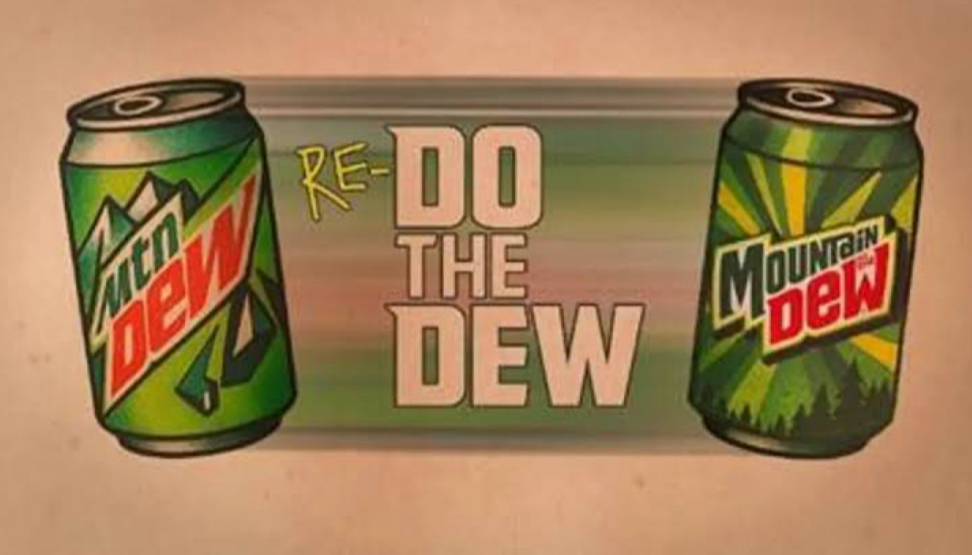
After decades of rebellious energy, Mountain Dew is reintroducing itself with a daring rebrand that plays directly to the heart—and skin—of its most loyal consumers. With a redesigned logo, tattoo sweepstakes, experiential drone shows, and an exclusive TikTok Shop merch drop, the PepsiCo-owned brand is executing one of its most audacious campaigns to date.
The campaign’s centerpiece? A sweepstakes targeting fans with existing Mountain Dew tattoos. Winners get an all-expenses-paid trip to Starlight Tattoo Studio in Las Vegas home of celebrity tattoo artist Mario Barth
for a logo refresh. It’s more than a stunt: it’s a love letter to a customer base that doesn’t just drink Mountain Dew, they wear it, live it, and share it.
“We wanted to show our gratitude to the fans who’ve literally made Mountain Dew a part of who they are,” said Sadira Furlow, CMO of Mountain Dew. “They’ve always carried our brand forward. This time, we’re helping them carry the next chapter.”
This rebrand signals more than a logo change. It arrives alongside a rebooted “Gimme a Dew” campaign—featuring a reimagined jingle and short-form content crafted for platforms like TikTok and Instagram Reels. These modern iterations preserve the thrill-seeking, iconoclastic tone of Mountain Dew while introducing a cleaner visual aesthetic and renewed product confidence.
Mountain Dew has also partnered with Dickies to release a limited capsule collection available exclusively on TikTok Shop tapping into Gen Z’s favorite e-commerce playground. Meanwhile, cities like Los Angeles and Austin will host live drone light shows, spelling out the new branding in the sky.
As carbonated beverage consumption falls and functional drinks rise, brands are racing to build emotional loyalty. Mountain Dew’s play fueled by interactivity, bold design, and nostalgic elements is a prime example of how legacy names are evolving to retain cultural relevance
Little Spoon x Barney: Baby Food Meets 90s Nostalgia in a Genius Brand Move
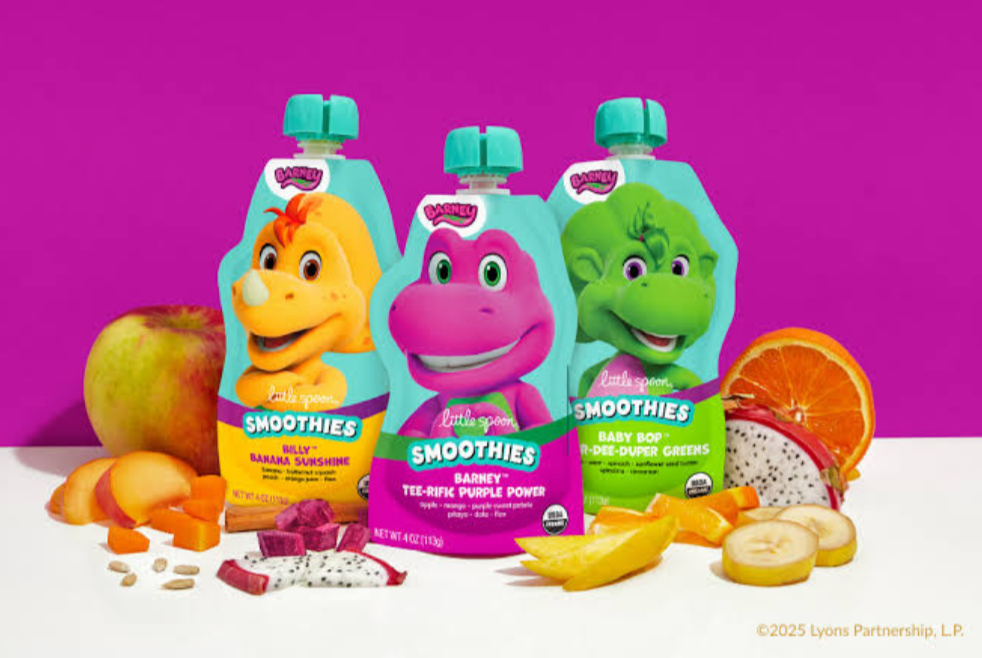
In a saturated market of child nutrition brands, Little Spoon has taken a distinctive leap by partnering with a surprising yet iconic face from the past: Barney the Dinosaur. The initiative, designed to build multigenerational trust, is already sparking social media buzz—and resonating deeply with millennial parents who once sang along to “I Love You, You Love Me.”
As part of the campaign, Little Spoon is introducing Barney-themed product packaging, limited-edition digital content, and a playful social campaign that blurs the line between learning and snacking. It’s a timely crossover: today’s parents are the kids who once danced to Barney’s tunes, and now they’re raising toddlers of their own.
Lisa Barnett, co-founder of Little Spoon, explains the strategy. “Our goal was to reach families on a deeper level—not just nutritionally, but emotionally. Partnering with Barney lets us bridge that gap between generations. Parents feel safe. Kids feel excited.”
The campaign includes interactive QR codes on packaging that link to exclusive Barney video content, bite-sized educational segments on healthy eating habits, and singalongs that incorporate fruits, veggies, and meal-time manners. Barney’s signature purple hue also now features in the packaging’s visual palette, making it instantly recognizable on shelves and in unboxings.
Critically, this isn’t a kitschy nostalgia grab. Barney’s return aligns with the character’s larger franchise reboot via Mattel and a new animated series expected to launch later this year. That synergy boosts Little Spoon’s cultural capital—and places the brand at the forefront of a rising nostalgia wave now redefining Gen Alpha marketing.
Early data backs the move: Little Spoon reported a 17% increase in conversions within a week of the campaign launch and a 28% rise in direct traffic. Social shares also surged, with unboxing videos and “then vs. now” content dominating TikTok and Instagram.
Google Supercharges YouTube Ads with Retail Media Power-Up
In a strategic move that could redefine how brands advertise on YouTube, Google has announced a sweeping integration of retail media data into its advertising ecosystem. The upgrade, revealed at the 2025 IAB NewFronts, adds retailer-first insights to Google’s Display & Video 360 (DV360) platform—bridging the longstanding gap between media impressions and real-world consumer behavior.
Here’s what it means: advertisers can now blend brand awareness with purchase behavior by using first-party data from major retail partners like Costco, Intuit, and Regal Cinemas to more effectively target their audiences on YouTube. That means campaigns will no longer rely on vague personas or generalized demographics—instead, they’ll be built on what shoppers are actually browsing, clicking, or buying.
For example, someone who’s spent time in Costco’s protein shake section might later see a YouTube ad for plant-based smoothies while watching a fitness channel. Or a viewer who booked a ticket through Regal could receive targeted trailers or snack promotions before movie reviews.
Google’s Senior Director of Ads Products, Sean Downey, explains, “Retail data gives us the clearest window into consumer intent. By merging it with YouTube’s content-rich environment, we’re empowering brands to speak with precision—and relevance.”
Retail media has become a dominant trend, especially as cookie-based targeting declines and privacy regulations tighten. With platforms like Amazon and Walmart expanding their retail media networks, Google’s move positions YouTube as a viable competitor—not just for attention, but for conversion.
This also marks a shift for content creators. By tying ad performance more directly to real-world purchase behavior, creators partnering with brands could gain clearer insights into ROI, performance-based partnerships, and deeper retail integration opportunities.
The implications are huge. As Google enhances the synergy between CTV, mobile, and retail, marketers are encouraged to build campaigns that move seamlessly from discovery to checkout—all within the YouTube ecosystem.