The Future Is Personal
Across beauty, advertising, and influencer culture, one message is becoming increasingly clear — the future of marketing lies not in louder strategies, but in more personal ones. As Meta prepares to automate entire ad campaigns with artificial intelligence, the pressure is on to retain the human voice behind the message. In beauty, brands that prioritize community, culture, and storytelling are rising above the noise, proving that emotional resonance often outweighs product performance. And in the age of AI-generated influencers, the public’s growing demand for authenticity serves as a necessary reminder people crave connection, not perfection.
Technology will continue to evolve, but the brands that will lead tomorrow are those that remain rooted in truth, trust, and the power of shared experience. In a digital world designed for speed and scale, it is still the human touch that makes marketing unforgettable.
Meta to Roll Out Fully Automated AI Advertising System by 2026
Meta Platforms, the parent company of Facebook, Instagram, WhatsApp and Threads, has announced plans to launch a fully automated artificial intelligence advertising system by the end of 2026. The system is expected to allow businesses to create and deploy complete ad campaigns with minimal manual input.
According to Meta’s internal roadmap, the new AI-driven system will enable advertisers to simply upload a product image, enter their budget, and allow the AI to generate all campaign components. This includes ad copy, visuals, video, and audience targeting across Meta’s platforms. The company says the tool is being designed to simplify the ad creation process, making it accessible to both large brands and small businesses.
Meta CEO Mark Zuckerberg has described the project as a major step toward streamlining digital advertising. He explained that the goal is to make ad creation as simple as possible, allowing business owners to focus on their products while AI handles the marketing execution.
Industry analysts say this move could significantly shift the advertising landscape. Smaller businesses may benefit from having access to sophisticated marketing tools that were previously out of reach, while traditional advertising agencies could face challenges if brands begin relying more heavily on automated systems.
The company has already begun integrating AI tools into its advertising platform. Early features include AI-generated headlines and image suggestions. Meta says the 2026 update will expand these capabilities to include full campaign creation, real-time personalization, and automatic audience targeting.
There are, however, concerns about transparency and quality control. Some experts have warned that full automation could lead to less oversight over how ads are served and to whom. Others have raised questions about the creative limitations of AI-generated content and whether it can match the emotional impact of human-led campaigns.
Meta has responded by stating that the system will be designed to give advertisers some control over final outputs, with tools for editing and approval. The company also emphasized that the new platform is meant to support, not replace, marketing professionals and agencies.
The planned rollout will begin with limited testing among selected advertisers later this year. A global launch is expected by late 2026.
If successful, the initiative could mark one of the most significant changes in digital advertising in recent years. It reflects Meta’s broader strategy of integrating artificial intelligence across its services to increase efficiency, scale operations, and drive long-term growth.
Top Beauty Brands Shift Strategy Toward Community and Cultural Storytelling

Leading beauty brands are increasingly moving away from product-heavy marketing in favor of cultural relevance and community-led storytelling. This strategic shift is helping newer companies outperform long-standing digital-first competitors in terms of audience engagement and brand loyalty.
Recent analysis shows that brands such as Charlotte Tilbury, Fenty Beauty, Rare Beauty, and Huda Beauty are dominating online engagement across platforms like Instagram, TikTok, and YouTube. These companies have embraced storytelling techniques that emphasize personal connection, shared identity, and inclusive values.
Fenty Beauty, founded by musician and entrepreneur Rihanna, has received particular attention for its continued focus on diversity. Its campaigns frequently highlight individuals of various skin tones, genders, and ethnic backgrounds, reinforcing its original brand message of universal representation. Similarly, Rare Beauty, the brand launched by actress and singer Selena Gomez, is praised for its mental health advocacy and efforts to build a compassionate community around beauty and self-acceptance.
Charlotte Tilbury and Huda Beauty have also leveraged behind-the-scenes content, makeup tutorials, and personal branding to foster a sense of authenticity. Rather than relying solely on influencer partnerships or traditional advertising, these brands use storytelling to establish deeper emotional connections with consumers.
In contrast, brands that previously led the digital beauty wave such as Cerave and The Ordinary are reportedly struggling to maintain the same level of cultural relevance. While these companies are still recognized for their affordability and scientific credibility, they have not adapted as quickly to the evolving expectations of younger consumers who value emotional connection, transparency, and brand identity beyond just product efficacy.
Experts suggest that Gen Z and younger millennial shoppers are more drawn to brands that reflect their values and experiences. Beauty companies that incorporate real voices, diverse stories, and social causes into their content strategies are more likely to sustain long-term engagement in a saturated market.
The growing influence of TikTok and other short-form video platforms has accelerated this trend. Brands that encourage user-generated content, community feedback, and unscripted moments are being rewarded with higher visibility and stronger customer loyalty.
This shift is expected to continue shaping the beauty industry’s digital landscape. As competition increases and consumer expectations evolve, companies that embrace authenticity and foster inclusive communities are likely to outperform those that rely on traditional or transactional marketing strategies.
AI-Generated Influencers Raise Concerns Over Authenticity in Digital Marketing
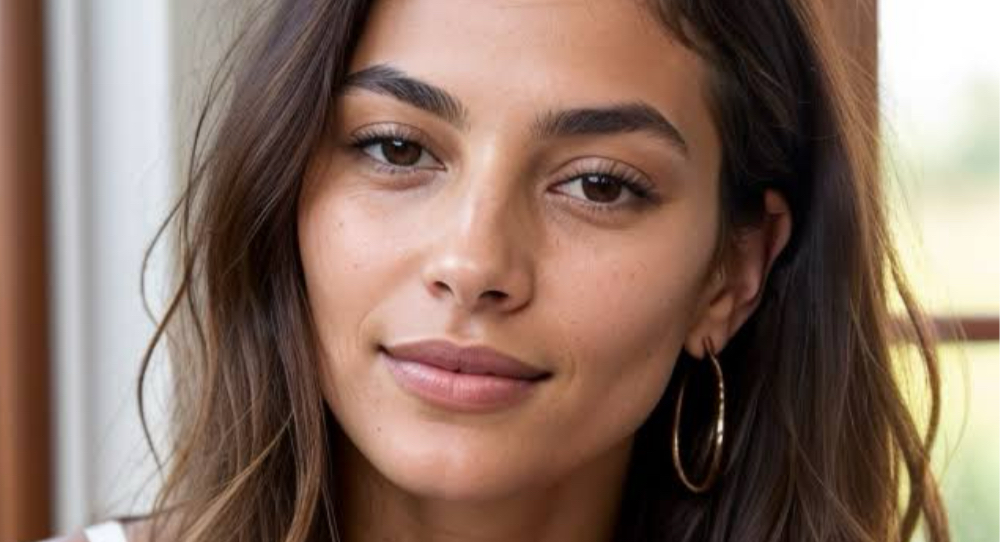
A growing number of brands are using artificial intelligence to create virtual influencers, sparking a debate over authenticity and trust in the influencer marketing industry. As AI-generated personalities gain popularity on platforms like Instagram and TikTok, many consumers and marketing experts are voicing concern over transparency and ethical implications.
One of the most notable examples is “Mia Zelu,” a digital persona created using advanced generative AI tools. With carefully curated aesthetics, realistic facial expressions, and consistent brand endorsements, Mia has attracted tens of thousands of followers. Despite not being a real person, she interacts with audiences, promotes products, and even shares personal “stories” similar to those posted by human influencers.
However, the rise of such AI-generated influencers is beginning to expose a significant trust gap. While some users express fascination with the creativity and technology behind virtual personas, many others are growing skeptical. Critics argue that these accounts are misleading and lack the lived experience and relatability that audiences expect from real influencers.
Marketing analysts have pointed out that consumers, particularly Gen Z and younger millennials, are increasingly turning away from heavily curated or artificial content. Instead, they prefer creators who share authentic experiences, show vulnerability, and build genuine relationships with their audience. This shift in preference has placed AI influencers under scrutiny, as they are unable to truly connect on a personal or emotional level.
Brands that work with AI influencers may benefit from lower costs and greater creative control, but they also face the risk of damaging trust. A number of high-profile campaigns using virtual models have been criticized for failing to disclose the artificial nature of their endorsers, leading to calls for stricter transparency guidelines in digital advertising.
Marketing platforms and regulators are now considering new rules that would require brands to clearly label AI-generated content and disclose when an influencer is not a real person. Some companies have already started to add disclaimers or use hashtags like #VirtualInfluencer to indicate the nature of their campaigns.
Despite the controversy, AI influencers are likely to remain a part of the marketing landscape. Developers continue to improve the technology, making avatars more lifelike and responsive. However, as audiences become more informed, the pressure is growing for brands to balance innovation with honesty.
Industry leaders suggest that AI can still play a role in marketing if used ethically and in combination with human storytellers. They recommend that brands focus on transparency and audience trust while exploring new formats and technologies.
The debate surrounding AI-generated influencers reflects a broader shift in digital culture, where authenticity is becoming more valuable than perfection. As brands navigate this changing environment, the need for genuine connection remains at the center of successful engagement.