Reboots, Reroutes, and Reckonings Business in the Age of Bold Moves.
In three vastly different corners of the global business landscape, a fintech pioneer, an upstart ad-tech disruptor, and a heritage sneaker brand are all confronting the same truth: the world has changed and staying relevant means rewriting the playbook.
For PayPal, the challenge isn’t about competition, it’s about connection. In a world where Gen Z has more payment options than playlists, PayPal is leaning into identity and emotion. With an £11M campaign that feels more like a cultural reset than a marketing push, it’s not just chasing transactions it’s chasing trust, spontaneity, and lifestyle alignment. In doing so, it aims to transform from a utility into a vibe one that clicks with the TikTok generation as much as it does with long-time loyalists.
For CashurDrive, it’s a story of momentum. What began as branded cabs has evolved into a green-tech advertising juggernaut on wheels. As it readies for a market debut, this IPO isn’t just about raising capital, it’s about planting a flag in the future of sustainable urban marketing. By merging mobility, media, and ESG values, CashurDrive isn’t just selling ad space it’s selling relevance in a world that’s increasingly eco-conscious and data-driven.
And then there’s Adidas, caught in the political and economic headwinds of modern trade wars. A €200 million tariff blow is a stark reminder that even the world’s most iconic brands aren’t immune to geopolitics. As supply chains tighten and costs climb, Adidas must walk a fine line between pricing power and consumer loyalty all while maintaining growth. Its situation mirrors that of other European giants like Porsche, Mercedes-Benz, and Aston Martin brands with global reputations, now cornered by nationalist policies and global uncertainty.
So what ties these three stories together?
Adaptation:
Whether it’s marketing to a new generation, scaling with sustainability, or surviving the shockwaves of protectionism, each company is navigating a new kind of economy one shaped by cultural shifts, climate urgency, and geopolitical complexity.
The winners won’t just be the ones with the most capital or the deepest legacy. They’ll be the ones willing to pivot boldly, communicate authentically, and double down on what matters most whether that’s user experience, climate alignment, or global agility.
In a decade defined by volatility, perhaps the real currency of success isn’t just money, it’s meaning, mobility, and the ability to evolve without losing your soul.
Rebuilding Bonds: How PayPal Is Reconnecting With the UK Market.

With an £11M campaign its biggest in years. PayPal is making a major move to win over Gen Z and deepen its bond with loyal users.
In a bold bid to refresh its image and deepen engagement with both loyal customers and the next wave of digital consumers, PayPal has launched its most ambitious marketing initiative in the UK in recent years.
The fintech giant is investing $15 million (approximately £11.23 million) into a dynamic, multi channel campaign aimed at tapping into a rising sense of “summer spending optimism.” The initiative is part of a broader strategic effort to boost brand relevance among Gen Z and millennial audiences, while reaffirming value for long standing users.
“This isn’t just a seasonal campaign, it’s a decisive brand play,” said Deborah Hayes, PayPal’s Senior Director of UK Marketing, who stepped into the role in March 2025. “We’re positioning PayPal not just as a payments platform, but as a lifestyle enabler, something that resonates strongly with younger generations who prioritize flexibility, trust, and digital first experiences.”
The campaign will span digital, social, broadcast, and outdoor channels, delivering creative messaging centered on spontaneity, freedom, and financially savvy summer fun. It’s also expected to showcase PayPal’s evolving suite of features from PayPal Pay Later to secure online checkouts as everyday tools for empowered consumers navigating the post inflation economy.
By anchoring this campaign around seasonal behavior and emerging spending confidence, PayPal is aiming to do more than drive short-term transactions, it’s setting the tone for long-term cultural relevance.
CashurDrive Marketing Limited Sets IPO Opening Date for July 31, Targets Sustainable Growth
CashurDrive Marketing Limited, one of India’s leading innovators in out of home (OOH) advertising, is poised to enter the capital markets with an Initial Public Offering (IPO) aimed at raising ₹60.79 crores at the upper price band. The IPO will open for subscription on July 31, 2025, and close on August 4, 2025. The company’s equity shares will be listed on the NSE Emerge platform, a dedicated exchange for emerging companies.
The offering marks a significant milestone for CashurDrive as it transitions from a high growth, privately held company into a publicly listed enterprise. With a proven track record in transit and sustainable media solutions, the IPO will enable the company to unlock its next phase of expansion, strengthen its market position, and further integrate environmental, social, and governance (ESG) principles into its core operations.
IPO Structure and Allocation Details
Total Issue Size: 46,76,000 equity shares
Face Value: ₹10 per equity share
Price Band: ₹123 – ₹130 per share
Issue Size at Upper Band: ₹60.79 crores
Equity Share Allocation:
Anchor Investors: Up to 13,22,000 equity shares
Qualified Institutional Buyers (QIB): Up to 8,82,000 equity shares
Non-Institutional Investors (NII): Not less than 6,63,000 equity shares
Retail Individual Investors (RII): Not less than 15,50,000 equity shares
Market Maker: 2,59,000 equity shares
The Anchor Investor Portion will open on July 30, 2025, one day prior to the IPO opening.
Purpose of the Issue
The net proceeds from the IPO will be strategically allocated toward:
Investment in cutting-edge technology to support automation, campaign analytics, and digital asset management
Capital expenditure related to expansion of OOH inventory including electric vehicles and transit networks
Funding working capital requirements to support nationwide operations
General corporate purposes, including talent acquisition and marketing initiatives
Driving the Future of Sustainable Advertising
CashurDrive has established itself as a first mover in eco-friendly and transit oriented media assets, with exclusive advertising rights across more than 1,000 electric buses, EV charging stations, and a growing portfolio of strategic transit partnerships. From its origins in cab branding, the company has scaled rapidly into a comprehensive OOH solutions provider, delivering high-visibility, high-impact campaigns in urban spaces.
By combining sustainability with smart data driven advertising, the company offers advertisers a new age platform to engage consumers while aligning with climate conscious business goals.
Leadership Insights
Mr. Raghu Khanna, Managing Director of CashurDrive Marketing Limited, commented:
“Our journey started with a clear vision to turn daily commutes into brand engagement moments. Today, we’re proud to be among India’s few media companies actively leading the green advertising movement.
The IPO is more than a financial milestone; it is a catalyst for scaling our ESG compliant advertising model, expanding into new geographies, and advancing our technology stack. With exclusive access to key mobility infrastructure, we are positioned to shape the next era of smart, sustainable OOH media in India.”
Mr. Vipin Aggarwal, Director at Narnolia Financial Services Limited, the Book Running Lead Manager, stated:
“CashurDrive represents the convergence of technology, sustainability, and smart urban mobility making it one of the most forward looking OOH companies in the country.
Their stronghold over premium EV advertising assets gives them a distinct competitive edge in a sector that is rapidly evolving. We believe this IPO will provide the strategic capital necessary to expand their asset base, deepen market reach, and cement leadership in the fast growing segment of transit media.”
Key Entities
Book Running Lead Manager: Narnolia Financial Services Limited
Registrar to the Issue: Bigshare Services Private Limited
Listing Platform: NSE Emerge
Strategic Positioning
CashurDrive’s IPO arrives at a time when Indian brands are increasingly looking for sustainable, high impact outdoor advertising options, especially in metro and Tier 1 cities. The company’s commitment to green mobility, digital tracking, and asset monetization places it at the forefront of OOH innovation.
As the demand for ESG aligned marketing intensifies, CashurDrive is uniquely positioned to deliver both scale and sustainability offering investors a rare opportunity to participate in the future of advertising infrastructure in India.
About CashurDrive Marketing Limited:
Founded with the mission to redefine public mobility as a canvas for high engagement brand storytelling, CashurDrive has evolved into one of India’s fastest-growing outdoor media firms. Its business model is rooted in transit and mobility media assets, digital innovation, and climate responsible advertising. With a presence across major metros and an expanding footprint in electric transport networks, the company is shaping the future of outdoor media.
Adidas Faces €200M Hit from US Tariffs, Plans Price Hike
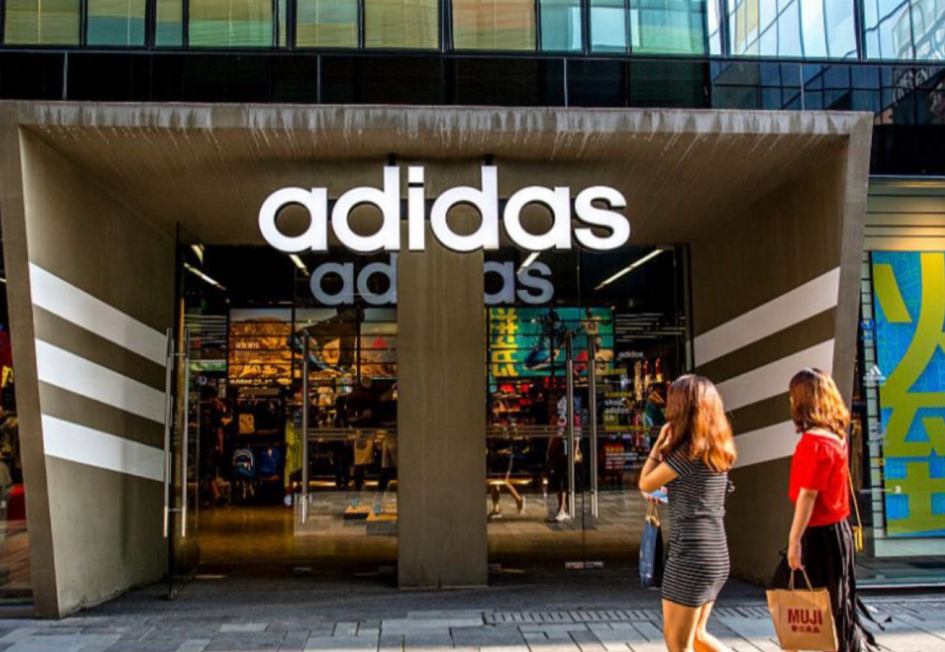
German sportswear powerhouse Adidas has confirmed that a fresh wave of U.S. tariffs will significantly raise the cost of doing business in America, with the company projecting a €200 million hit to its U.S. operations in the second half of 2025 alone. In response, the brand plans to pass some of the burden onto American consumers by increasing retail prices.
The announcement comes as part of the company’s latest financial disclosure, where CEO Bjorn Gulden warned that tariff hikes stemming from recently finalized U.S. trade deals with Vietnam and Indonesia will directly inflate the landed cost of Adidas products sold in the American market.
“These tariffs will directly raise the cost of our goods sold in the U.S.,” Gulden said. “What remains uncertain is how this will impact consumer behavior if price inflation accelerates.”
Adidas relies heavily on manufacturing in Southeast Asia, with Vietnam and Indonesia accounting for 27% and 19% of its production respectively. The U.S. has now implemented 20% tariffs on Vietnamese goods and 19% on Indonesian imports, compounding challenges for brands with global supply chains.
While Adidas has historically flagged the difficulty of moving production to the U.S. due to scale and infrastructure limitations, Gulden reiterated that domestic manufacturing remains unfeasible for most of the brand’s popular lines, including the globally loved Gazelle and Samba sneakers.
Global Tariffs Shake the European Corporate Landscape
Adidas is not alone. As president Donald Trump ramps up pressure to onshore production through aggressive tariff policy, European manufacturers across industries are reporting steep financial hits and forced price hikes.
Earlier this month, Trump sealed a 15% blanket tariff deal with the European Union, including on automotive imports, ahead of a self-imposed August 1 deadline. While this is a reduction from earlier threats of 30%, several EU governments have condemned the move.
German Chancellor Friedrich Merz criticized the agreement, warning it would deal “significant harm to both American consumers and German industry.
The fallout is already being felt:
Mercedes-Benz disclosed that U.S. tariffs will cost the luxury automaker €420 million this year, blaming the policy for a 70% drop in Q2 profit.
Porsche has increased U.S. retail prices by up to 3.6% to offset additional duties.
In the UK, Aston Martin issued a warning that full-year profits would be “marginal”, citing tariff pressures.
Automotive giant Stellantis which owns brands like Jeep, Vauxhall, and Peugeot revealed that the tariff regime has already cost the company €300 million in 2025.
Adidas Delivers Strong Results Despite Headwinds
Despite the looming financial pressure from trade policies, Adidas reported robust top-line performance in its latest results. Revenue for the first half of 2025 surged 7.3% to €12.1 billion, with pre-tax profit nearly doubling year-on-year from €549 million to €1 billion.
Product-wise:
Footwear sales grew 9% in Q2
Apparel revenue rose 17% between April and June
Yet, the impact of tariffs on future quarters remains a key concern, especially with price sensitive U.S. consumers and uncertain inflation dynamics.
What This Means for Consumers and Markets
The cost of globalization is being recalculated in real time. As Western governments impose tariffs to promote local production, global brands are navigating a complex matrix of rising costs, shifting trade alliances, and market uncertainty. For Adidas, and many others, these policies are creating new cost realities that will inevitably be passed down to the consumer.
Whether higher prices will cool demand remains to be seen, but one thing is clear: the next phase of global commerce is no longer just about efficiency, it’s about resilience, adaptation, and recalibrating where, how, and for whom products are made.