The Fine Line Between Innovation and Integrity

In a marketing world increasingly shaped by technology, consumer expectations, and rapid shifts in cultural relevance, one thread is becoming impossible to ignore authenticity.
Vogue’s controversial use of AI-generated models, though technically transparent, ignited a backlash that revealed how deeply audiences still crave human connection and creative depth. At the same time, the Federal Trade Commission’s crackdown on deceptive “Made in USA” labels reaffirmed the value of truth in branding, especially in an era where consumers demand clarity not just on product quality, but on origin, ethics, and intent.
Meanwhile, American Eagle’s campaign with Sydney Sweeney proved that innovation doesn’t always mean artificiality. Instead, aligning with a real, resonant figure and telling a story that feels grounded in shared experience can move both hearts and markets.
Together, these three moments offer a snapshot of an industry at a crossroads. Brands can automate, digitize, and scale but if they forget to root those efforts in integrity, trust, and human relatability, they risk losing the very audience they aim to impress.
The future of marketing, it seems, won’t belong to those who simply move fast it will belong to those who move forward with purpose.
Vogue’s Use of AI-Generated Models in August 2025 Issue Sparks Backlash

Vogue magazine’s August 2025 issue has ignited widespread criticism after it featured multiple AI-generated models in its editorial spreads. The use of artificial intelligence to create the fashion visuals, though clearly labeled as “produced with artificial intelligence,” has triggered concern among longtime readers, fashion professionals, and artists who say the move reflects a growing detachment from human creativity in the fashion industry.
The edition, which aimed to explore the future of fashion technology, presented a series of futuristic style narratives illustrated with digitally constructed models wearing couture designs. While some readers praised the editorial direction as bold and forward-thinking, the broader reaction has leaned sharply negative. Critics argued that the AI models lacked the emotion, diversity, and cultural depth that human models bring to storytelling through fashion.
Social media platforms lit up with heated discussions in the days following the release. Many users accused Vogue of undermining real-life talent in an industry already facing challenges related to representation and fair labor practices. Others expressed disappointment over what they called a cold and lifeless execution of what should have been an opportunity to highlight emerging models and stylists from underrepresented backgrounds.
Fashion critics noted that this move could signal a significant shift in how magazines conceptualize and produce visual content. With generative AI tools becoming more sophisticated and accessible, some publishers and advertisers are beginning to explore the possibility of automating portions of their creative processes. However, this experiment by Vogue has raised questions about where the line should be drawn between innovation and erasure.
Vogue has not issued a formal apology or statement of retraction. A spokesperson for the magazine simply reiterated that the AI-generated models were included as part of an editorial exploration of digital artistry and emerging technology in fashion. The spokesperson added that Vogue remains committed to featuring real-life talent and supporting diverse voices in fashion.
Despite this clarification, a noticeable number of longtime subscribers have announced their intent to cancel their subscriptions, with some sharing screenshots of their cancellation emails on social media. For many, the issue is not just about aesthetics or technology, it represents a deeper concern over the direction of an industry that has historically shaped culture, identity, and self-expression.
Some fashion industry insiders have defended Vogue’s experiment, suggesting that AI, when used ethically and transparently, can complement traditional storytelling rather than replace it. They argue that the backlash may reflect resistance to inevitable technological change, and that a more nuanced conversation is needed to define how human and machine creativity can coexist.
As the debate continues, the August 2025 issue will likely be remembered as a cultural flashpoint in fashion publishing. Whether it becomes a cautionary tale or a pioneering step forward remains to be seen. What is certain, however, is that the industry is at a turning point one where authenticity, artistry, and technology must now be negotiated more carefully than ever before.
FTC Cracks Down on Misleading ‘Made in USA’ Claims Across U.S. Markets
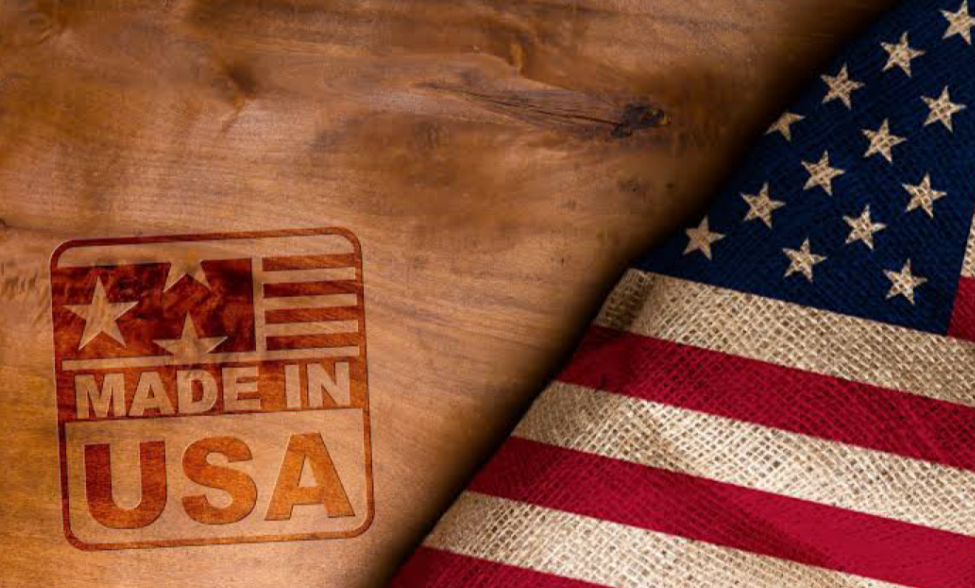
The United States Federal Trade Commission (FTC) has intensified its enforcement of the “Made in USA” labeling rule, issuing warning letters to multiple manufacturers across various sectors in July 2025. This regulatory move comes amid rising concerns that some companies are using deceptive origin claims to gain consumer trust and competitive advantage.
Under the 2021 Made in USA Labeling Rule, marketers are prohibited from labeling products as “Made in USA” unless all significant processing occurs in the United States and all or virtually all ingredients or components are of U.S. origin. Violators face civil penalties that could exceed $53,000 per misleading instance.
Recent investigations by the FTC revealed that a number of businesses ranging from apparel brands to consumer electronics manufacturers were falsely branding imported goods as domestically produced. These misleading claims were found on product packaging, digital marketing materials, and e-commerce listings.
The Commission’s increased scrutiny has come in response to consumer complaints and watchdog reports indicating a surge in mislabeling, particularly in online retail. In one case, a company claimed its fitness equipment was “100% American Made” despite sourcing most parts from overseas suppliers. In another, a food brand marketed its products as locally sourced, only for investigations to trace primary ingredients to foreign markets.
The FTC’s latest batch of warning letters serves both as a caution and a call to correct deceptive practices. Businesses are being urged to provide detailed evidence supporting any U.S. origin claims and to revise marketing language where necessary. The Commission has emphasized that misleading branding not only violates consumer protection laws but also harms businesses that comply with labeling regulations and invest in domestic production.
Legal experts say the renewed enforcement signals the FTC’s broader commitment to truth in advertising in an era where transparency is increasingly expected by consumers. In a press briefing, an FTC spokesperson stated that the goal is not merely to punish, but to create a level playing field in which consumers are empowered to make informed purchasing decisions.
Industry groups have offered mixed responses. Some have welcomed the crackdown, arguing that it upholds the integrity of American manufacturing. Others warn that small businesses unfamiliar with the rule’s nuances could be disproportionately affected if they fail to seek proper guidance on compliance.
As global supply chains become more complex, the FTC is expected to continue monitoring origin claims closely, particularly as more companies seek to capitalize on patriotism or local support movements. In the meantime, brands are being advised to conduct internal audits of their supply chains and marketing materials to ensure full alignment with federal guidelines.
The development marks a significant moment in U.S. consumer protection, reinforcing the idea that national identity in branding must be rooted in fact, not fiction.
Sydney Sweeney Boosts American Eagle Stock After New Campaign Launch

American Eagle’s stock saw a notable uptick in late July 2025 following the release of its latest marketing campaign featuring Hollywood actress Sydney Sweeney. The campaign, which highlights the brand’s new fall denim collection, has quickly gone viral across digital platforms, contributing to a renewed surge in investor confidence and consumer engagement.
The partnership with Sweeney, best known for her breakout roles in television and film, has been widely credited with injecting fresh cultural relevance into the brand. Within hours of the campaign’s release, American Eagle’s promotional video reached over 25 million views across Instagram, TikTok, and YouTube. The campaign hashtag trended globally for two consecutive days, and fan-driven content helped push brand mentions to their highest volume in over a year.
The momentum translated to Wall Street as well. American Eagle Outfitters Inc. stock rose more than 7 percent in a single trading day following the campaign’s rollout. Analysts have pointed to the Sweeney collaboration as a key factor in that spike, particularly as it comes at a time when apparel retailers are navigating a competitive post-pandemic retail landscape and shifting Gen Z preferences.
Marketing experts say the campaign’s success lies not only in Sweeney’s star power but in the strategy behind the messaging. The visuals emphasize body positivity, self-expression, and comfort values that resonate strongly with younger consumers. American Eagle’s choice to pair denim, a core product category, with an actress known for blending softness with boldness has been described as “spot-on branding” by industry observers.
Sweeney herself has leaned into the partnership, appearing in behind-the-scenes content and interactive Q&As that further humanize the campaign. In one video, she shared memories of her first American Eagle jeans and spoke about the importance of authenticity in fashion a message that appears to have struck a chord with audiences.
Retail sales data for the brand’s new collection is expected to be released in August, but early indicators already point to increased foot traffic in stores and a measurable uptick in online cart sizes. The brand’s denim line is reportedly selling out in key markets, prompting speculation about restocks and potential capsule collections.
The collaboration represents a larger trend of fashion brands aligning with multi-dimensional public figures who command loyal fanbases and digital influence. In choosing Sweeney, American Eagle appears to have found a face that reflects not just its product offering but its evolving brand ethos.
As legacy fashion retailers continue to adapt to rapidly changing consumer behaviors, the campaign’s success suggests that smart celebrity partnerships when matched with authentic storytelling can still drive both cultural relevance and market performance.