A New Chapter for Media, Energy, and Advertising in a Transforming World
As we close today’s reporting on three of the most strategically significant moves across consumer marketing, advertising, and energy, one theme stands out: adaptation with purpose.
From Coca-Cola’s call to disconnect to reconnect, to Amazon’s data-driven pursuit of precision and privacy, and Centrica’s refined dual-brand strategy to meet specialized market needs, we are witnessing a definitive pivot in how major corporations respond to shifting global dynamics.
In a world saturated by digital noise, Coca-Cola is choosing to celebrate simplicity and human connection, trusting that the Gen Z audience is ready for a more mindful, experience-first message. Their campaign isn’t just seasonal — it’s a signal that emotional intelligence is now a core brand asset.
Amazon’s partnership play illustrates the rise of a new advertising era, one where privacy and performance no longer compete. Instead, the company is threading the needle between ethical data use and hyper-targeted marketing, betting on infrastructure that will outlast the death of cookies and the rebirth of consumer trust.
Meanwhile, Centrica’s restructuring of its brand architecture highlights a deeper evolution in the energy industry — one that acknowledges the growing divide between residential habits and industrial energy goals. In choosing clarity over confusion, Centrica may well set a new standard for how legacy companies navigate the green energy revolution.
Together, these stories paint a portrait of the modern corporate frontier: nimble, values-aware, and sharply focused on relevance. The future of business isn’t just about innovation — it’s about meaningful connection, intelligent transformation, and strategic vision.
And as these giants pave their paths, the ripple effects will undoubtedly reach startups, policymakers, consumers, and competitors alike.
Stay tuned. The age of intelligent evolution has only just begun.
Coca-Cola Launches Bold Campaign Encouraging Gen Z to Disconnect from Digital Overload and Reconnect with Real-World Joy

In a bold move aimed at addressing the growing concern over digital fatigue among younger audiences, Coca-Cola has rolled out a vibrant new campaign this summer, urging Generation Z to step away from their screens and embrace the real-world experiences that define the season.
Titled “A Recipe for Magic,” the global campaign centers on the joy of spontaneous moments, in-person connection, and the timeless ritual of sharing an ice-cold Coke. The brand is seeking to rekindle the essence of summer fun by inspiring young people to reclaim authentic moments from the grips of social media algorithms and constant digital stimuli.
Refreshing the Gen Z Experience
Coca-Cola’s initiative comes at a time when many Gen Zers report heightened levels of burnout, anxiety, and disconnection due to excessive digital consumption. A 2024 Pew Research study revealed that 68% of Gen Z feels “emotionally drained” by the pressures of being constantly online. Coca-Cola’s new campaign responds directly to these concerns, reframing the beverage not just as a product, but as a catalyst for creating “real magic” offline.
The campaign includes a series of short films, immersive pop-up events, social media detox challenges, and collaborations with popular Gen Z influencers who are vocal about mental wellness and digital balance.
Key Campaign Highlights
- Cinematic Shorts: A series of visually rich, emotionally driven short films released on YouTube and streaming platforms show young people choosing unfiltered, offline adventures — beach days, late-night bonfires, road trips — all made more memorable with a Coke in hand.
- The “Magic Recipe” Events: Coca-Cola is sponsoring curated summer pop-ups in cities like Los Angeles, Lagos, Berlin, and Rio de Janeiro. These include unplugged music festivals, silent discos, sunset yoga sessions, and community picnics — all designed to be phone-free zones that prioritize face-to-face interaction.
- Influencer Collaborations: Prominent content creators, including lifestyle advocates and mental health activists, are sharing personal stories of digital burnout and showcasing how they’re recharging by “logging off” and leaning into life’s simple pleasures.
- #UnplugWithCoke Movement: A global hashtag campaign encourages users to take a 48-hour digital detox and document their offline experiences post-detox. Participants have a chance to be featured in Coca-Cola’s next campaign installment or win exclusive experiences like adventure getaways or summer concert tickets.
A Purpose-Driven Pivot
Speaking on the campaign’s vision, Selman Careaga, President of Global Coca-Cola Category, said:
“We want Coca-Cola to be more than just a refreshing drink. This campaign is about reminding a generation that’s overwhelmed by noise and notifications that the most magical moments often happen when you simply show up — fully, in person, and present.”
The campaign is part of Coca-Cola’s broader mission to engage younger consumers with purpose-driven marketing, aligning with themes of mental health, digital well-being, and social connection. The company has also partnered with digital wellness nonprofits to ensure the initiative has a long-term impact beyond the summer season.
Cultural Relevance and Consumer Impact
Industry analysts say the campaign is timely and resonates with Gen Z’s increasing appetite for authenticity, simplicity, and mental clarity. With younger consumers gravitating toward brands that stand for more than just profit, Coca-Cola’s emphasis on emotional wellness could solidify its relevance in a competitive beverage market increasingly populated by wellness-forward startups.
Looking Ahead
As the summer heats up, Coca-Cola hopes its message of mindful living, shared moments, and physical presence will echo across beaches, parks, and backyard hangouts worldwide. With a Coke in hand, Gen Z is being reminded that true magic doesn’t come with a like, a retweet, or a scroll — it comes with laughter, connection, and the sweetness of a summer well lived.
Amazon Deepens Its Data-Driven Ad Capabilities with New Deals to Expand Reach and Targeting Precision
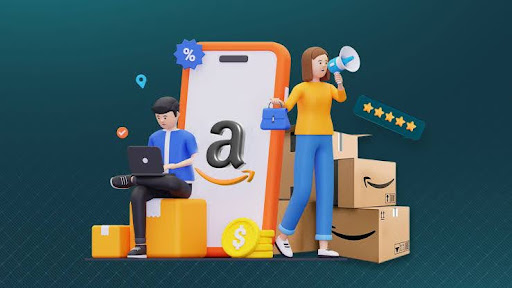
In a move that signals its growing ambitions in the advertising arena, Amazon has announced strategic partnerships with InfoSum and Magnite, two major players in data collaboration and programmatic advertising. The tech giant is doubling down on its ad business by expanding its ability to deliver more personalized and privacy-conscious marketing experiences across digital platforms.
These partnerships are designed to improve how advertisers access, analyze, and act on consumer data without compromising privacy — a key concern in today’s tightening regulatory environment and privacy-focused digital landscape.
A Targeted Expansion of Amazon’s Ad Empire
Amazon’s advertising business, which generated over $50 billion in revenue last year, is one of the company’s fastest-growing segments. By joining forces with InfoSum and Magnite, Amazon aims to solidify its position as a leading player in digital advertising, competing head-to-head with incumbents like Google and Meta.
- With InfoSum, Amazon will leverage the company’s advanced clean-room technology, allowing advertisers to combine their first-party data with Amazon’s powerful shopping and behavioral insights — all without exposing raw data. This means brands can fine-tune their targeting strategies and measure campaign effectiveness while staying compliant with evolving data privacy laws.
- With Magnite, Amazon is enhancing its programmatic advertising capabilities across connected TV (CTV), video, and display formats. As streaming becomes a dominant form of media consumption, this partnership will enable advertisers to access Amazon’s audiences in a more automated, scalable way, especially on Fire TV and third-party streaming apps that use Magnite’s platform.
Key Benefits for Advertisers
- Enhanced Cross-Channel Targeting: Brands will be able to build and reach specific audience segments using both Amazon’s retail data and their own datasets.
- Improved Attribution and Measurement: The partnerships promise more granular insights into ad performance across devices and channels — critical for understanding ROI in today’s complex customer journeys.
- Privacy-First Approach: InfoSum’s clean-room infrastructure aligns with increasing global demand for secure, privacy-centric data collaboration.
- CTV & Retail Media Synergy: Through Magnite, Amazon aims to bridge the gap between retail media and CTV advertising, opening new avenues for dynamic product ads and real-time campaign optimization.
Industry Reaction and Strategic Implications
Ad tech experts say the move reflects Amazon’s sharpened focus on controlling the full advertising lifecycle — from data to distribution to measurement — while capitalizing on its enormous pool of shopper insights.
According to Jeremy Goldman, senior analyst at Insider Intelligence:
“This is Amazon going from being a retail ad network to becoming a full-fledged, omnichannel advertising ecosystem. The partnerships allow Amazon to play nice with advertisers’ existing tools and offer solutions that rival anything Meta or Google are doing — with the added benefit of transactional intent.”
A Growing Footprint in the Attention Economy
These partnerships arrive amid Amazon’s broader effort to attract more brand advertisers, not just direct-response campaigns. By offering high-performance ad placements that combine commerce signals with premium media environments, Amazon is positioning itself as a central force in what’s increasingly being called the “retail media revolution.”
This move also comes at a time when third-party cookies are being phased out across major web browsers. Amazon’s ability to offer privacy-compliant targeting based on logged-in user data and transaction history could become a defining edge.
What’s Next?
While the initial rollout of these partnerships will focus on select markets and formats, Amazon is expected to scale these capabilities globally throughout 2025. As the company continues to evolve into a full-spectrum media and advertising platform, it’s clear that retail is only the beginning — the real growth is in the data.
Centrica Sharpens Brand Strategy to Deliver Tailored Energy Solutions Through British Gas and Centrica Business Solutions
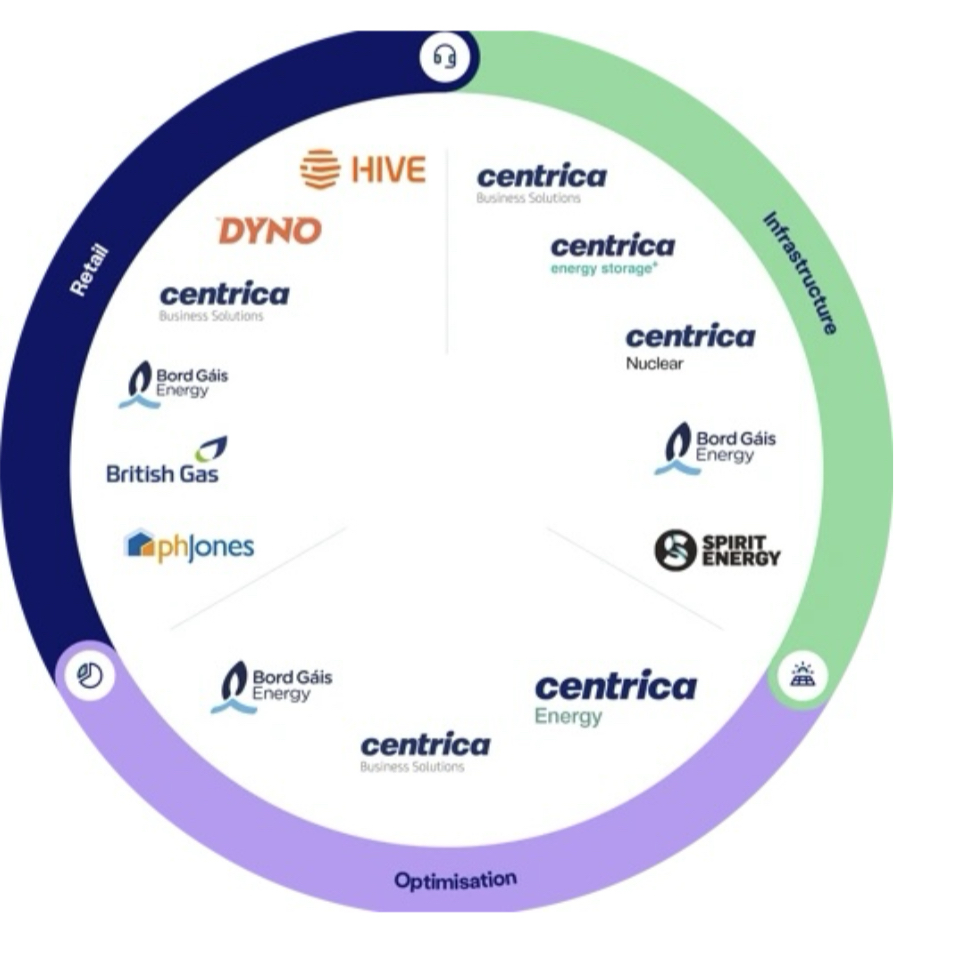
In response to the rapidly shifting dynamics of the global energy sector, Centrica has adopted a dual-brand strategy designed to serve both individual consumers and large-scale businesses with greater precision. The UK-based energy and services company is reinforcing the unique roles of British Gas and Centrica Business Solutions, positioning them as distinct yet complementary brands with clearly defined missions in a transforming market.
This strategic move comes as the energy landscape undergoes a profound evolution — from the decarbonization of supply chains to increasing demands for energy resilience and sustainable technology.
Two Brands, Two Missions
- British Gas, the household name for decades, will continue to focus on the residential and small business market, offering energy supply, boiler services, and smart home solutions. With a heritage of trust and a wide customer base, the brand is being refreshed to meet the rising expectations of digitally savvy, environmentally conscious consumers.
- Centrica Business Solutions (CBS), on the other hand, is being positioned as the go-to partner for larger enterprises, governments, and organizations navigating complex energy challenges. Its offerings include energy efficiency consulting, on-site generation, renewable energy integration, and cutting-edge energy management technologies.
According to Centrica’s Chief Marketing Officer, Margaret Jobling, the decision to clearly define the roles of the two brands is rooted in clarity and relevance:
“We’re in a pivotal moment where customers — from homeowners to multinational corporations — want tailored solutions. One-size-fits-all no longer works. We need to speak in distinct voices that resonate with the very different needs of our core audiences.”
Meeting the Moment in a Changing Sector
Centrica’s rebranding effort is also about aligning with macro trends reshaping the energy sector:
- Decentralization of energy systems, with businesses and consumers generating power through solar, wind, or other renewables.
- Digitization, where smart meters, AI-driven analytics, and IoT devices help customers optimize usage.
- Decarbonization, driven by net-zero targets and rising stakeholder pressure on corporations to reduce emissions.
By establishing clearer boundaries between its consumer-facing and business-facing brands, Centrica is creating a framework to better deliver value on both ends of the spectrum.
Execution and Customer Experience
The branding strategy includes:
- Differentiated Messaging: British Gas focuses on warmth, reliability, and support in everyday life, while Centrica Business Solutions emphasizes innovation, sustainability, and operational efficiency.
- Separate Digital Journeys: Each brand is supported by its own platform, UX strategy, and marketing funnel to ensure relevance in customer communications.
- Tailored Services: CBS offers bespoke energy-as-a-service models, while British Gas is expanding its flexible billing, maintenance plans, and eco-conscious options for families.
This separation is not a split, but a refinement — designed to avoid confusion while unlocking new commercial opportunities in both the residential and commercial energy ecosystems.
Strategic Significance and Market Impact
Analysts view Centrica’s branding overhaul as a forward-thinking response to the energy transition era. In an industry often seen as slow to modernize, Centrica’s emphasis on agility and customer-centricity could serve as a competitive differentiator.
Energy analyst Rachel Thompson of BloombergNEF explains:
“Centrica is acknowledging a fundamental truth — that households and businesses have divergent energy needs and expectations. This strategy allows them to go deeper, not broader, with each segment.”
Looking Ahead
As the energy crisis, climate imperatives, and consumer expectations converge, Centrica’s dual-brand framework aims to keep it ahead of both risk and opportunity. Whether helping homeowners reduce bills with smart thermostats or supporting global corporations with energy optimization platforms, the company is betting on brand clarity as the catalyst for sector-wide impact.