BLAKSOLVENT MARKETING NEWS -24/12/25
Culture, Innovation, and Consumer Impact in 2025
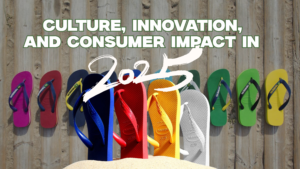
In 2025, the marketing landscape is defined by rapid adaptation to cultural shifts, technological innovation, and evolving consumer expectations. Brands that succeed this year are those that have learned to navigate not just market trends, but the social and cultural context in which their messages are received. From how political movements intersect with brand reputations to how immersive experiences and partnerships can redefine engagement, marketers are challenged to think beyond traditional advertising.
This year’s marketing milestones reflect a dual focus: responding meaningfully to cultural forces while embracing innovative strategies that resonate with modern audiences. Whether through controversy and public backlash, immersive campaigns that generate buzz, or brand storytelling that cuts through uncertainty, marketers are exploring new paradigms for connection and influence.
The following stories illustrate three distinct but interconnected aspects of 2025 marketing: the impact of geopolitical controversy on brand image, the rise of immersive and culturally relevant campaigns, and strategic brand revitalization efforts aimed at strengthening emotional bonds with audiences. Together, they show how marketing this year is deeply tied to both social dynamics and strategic creativity.
Havaianas Ad Controversy and Brand Backlash in Brazil
BY BLAKSOLVENT NEWS

In late 2025, Brazilian sandal brand Havaianas became the center of a major marketing controversy that highlights how political contexts can dramatically affect brand perception. An advertisement featuring actress Fernanda Torres was interpreted by supporters of far‑right political figures, including former president Jair Bolsonaro, as a political jab due to its creative choices. The reaction was intense enough that political figures publicly criticized the brand and called for a boycott.
The backlash quickly gained traction on social media, with supporters of Bolsonaro discarding Havaianas products in symbolic protests and encouraging others to do the same. This movement sparked widespread discussion online about the intersection of brand messaging and political interpretation, illustrating how modern marketing campaigns can be rapidly co‑opted into broader cultural and political debates.
Analysts observed that the episode significantly impacted Havaianas’ market performance, with estimates suggesting that the brand lost tens of millions of pounds in market value amid the boycott. The incident underscores the risks brands face when campaigns touch on sensitive cultural or political issues, even unintentionally, and the importance of understanding audience dynamics in complex social environments.
For marketers, the Havaianas case serves as a reminder that global campaigns must consider diverse audience interpretations and avoid ambiguous messaging that could be construed in ways that harm brand equity. In an era where social media amplifies every reaction, the potential for rapid escalation is high, and reputational risk management has become a central concern for brand strategies worldwide.
Best Marketing Campaigns of 2025 Navigate Uncertain Times
Several brands in 2025 have demonstrated how to thrive in a turbulent marketing environment by creating campaigns that not only capture attention but also resonate with emotional and situational awareness. According to industry observers, the best marketing efforts this year have been those that lean into authenticity, cultural insight, and creative risk‑taking to connect with audiences navigating economic and social uncertainty.
These standout campaigns have varied widely in their approaches: some emphasized immersive experiences such as virtual or augmented reality activations that build deeper engagement, while others used community‑centered narratives that fostered belonging and shared experience. The success of these campaigns indicates that audiences in 2025 are responding more to meaningful storytelling than traditional promotional messaging.
Amidst economic pressures and fragmented media consumption habits, savvy marketers have also employed cross‑platform strategies that integrate interactive social content, experiential activations, and user participation. This multi‑layered approach has enabled brands to cut through noise and build resonance in ways that traditional static advertising can no longer achieve, particularly with younger, digital‑savvy audiences.
Overall, the year’s most successful campaigns highlight a broader shift in marketing toward human‑centered creativity that is, campaigns that prioritize audience relevance and genuine engagement over purely sales‑driven messaging. For contemporary marketers, the takeaway is clear: brands that embrace cultural insight and innovative execution can thrive, even in uncertain times.
Immersive Marketing’s Rising Influence in 2025
BY BLAKSOLVENT NEWS

Another major development in 2025 has been the growing use of immersive and experiential marketing tactics, which are reshaping how brands engage audiences. According to industry analysis, mixed reality technologies including augmented reality (AR) and virtual reality (VR) have been integrated into campaigns to create interactive brand worlds and experiences that go beyond traditional advertising.
Brands deploying these technologies have seen meaningful engagement increases, as consumers spend more time interacting with digital experiences that feel personal and memorable. These immersive formats include virtual showrooms, gamified shopping environments, and AR try‑on features, all of which allow audiences to participate in a brand narrative rather than just observe it.
In tandem with immersive experiences, marketers have also emphasized localized and community‑driven influencer strategies, where smaller networks of trusted creators are leveraged to deliver tailored, authentic content. This move away from broad celebrity endorsements toward more niche, relatable voices has helped brands build deeper connections with specific audience segments, increasing both trust and engagement.