In a World of Noise, What Endures Is Truth
Across industries, across continents, across algorithms, a subtle but unmistakable revolution is taking shape. It isn’t loud. It isn’t rushed. And it isn’t asking for permission.
In 2025, three defining campaigns—WhatsApp’s “Not Even WhatsApp,” Dove’s “#ShareTheFirst,” and Bottega Veneta’s “Craft Is Our Language”it didn’t just market products. They issued quiet manifestos. Together, they reminded us that the human element which is raw, protected, and skillfully made is still sacred.
Where WhatsApp gave us silence, the kind that protects the words we don’t want the world to hear—Dove gave us vulnerability, the kind that dares to say, “Here I am, unfiltered.”
And where Bottega Veneta wove history into leather, they gave us patience, an invitation to return to meaning in a world obsessed with immediacy.
These brands aren’t just selling services or skin care or shoes. They are shaping a cultural vocabulary where privacy is a right, imperfection is beautiful, and craftsmanship is power.
In a digital world that spins fast, these stories asked us to pause.
To think.
To feel.
And to remember: what is most personal is most powerful. Whether it’s a whispered message, a bare-faced photo, or a hand-stitched detail, the world is finally making space for what’s real.
And in that space the truth is speaking again.
Craft Is Our Language: Bottega Veneta Redefines Luxury Through Silence and Skill
In a global market saturated with logos, noise, and fast-paced trends, Italian fashion house Bottega Veneta is quietly rewriting the rules of luxury.
The brand’s ongoing campaign, “Craft Is Our Language,” is more than a marketing slogan, it’s a declaration of identity. In an era where digital virality and celebrity endorsements dominate the fashion ecosystem, Bottega Veneta is choosing a different path: one of reverence for craftsmanship, silence over spectacle, and product over personality.
A Campaign Without Faces Only Hands
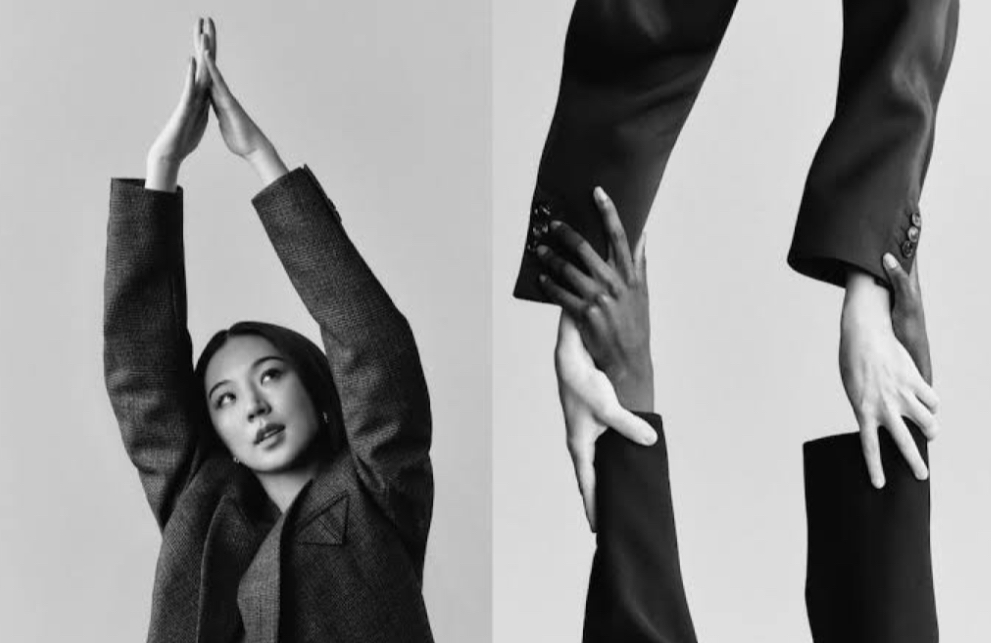
First launched in late 2023 and continuing into 2025, “Craft Is Our Language” is a visually arresting campaign built around minimalism, texture, and process. Absent are the traditional supermodels or influencers. Instead, the campaign features close-ups of artisans’ hands dyeing, weaving, stitching, and shaping materials into timeless pieces.
The imagery is deeply intentional. Each shot captures not just the beauty of the product, but the labor, history, and soul behind it.
“Craft is more than technique,” said Bottega’s CEO Leo Rongone in a press statement. “It is the foundation of everything we stand forsomething intimate, human, and enduring.”
The Rise of Quiet Luxury
The success of the campaign aligns with a broader cultural shift: the rise of quiet luxury. In contrast to the logomania of past years, today’s high-end consumers are leaning toward subtlety, heritage, and materials that speak louder than marketing.
According to recent data from Bain & Company, purchases linked to brands emphasizing craftsmanship and sustainability grew by 38% in the past year, largely driven by Gen Z and Millennial consumers seeking products that feel personal, purposeful, and built to last.
Bottega’s leatherwork, particularly its signature Intrecciato weave, has become a quiet symbol of this movement recognized by those who know, but never loud enough to scream.
A Philosophy Rooted in History
Founded in 1966 in Vicenza, Italy, Bottega Veneta built its legacy on the ethos of discretion. Its early motto, “When your own initials are enough,” rejected the idea of flashy branding. “Craft Is Our Language” feels like a modern echo of that founding principle refreshed for a new generation but no less committed to its roots.
Industry analysts have noted how the brand’s shift away from traditional advertising and social media has paradoxically strengthened its mystique. In fact, the brand deleted its Instagram account in early 2021 and focused instead on immersive experiences and print campaigns betting on exclusivity over exposure.
And it’s worked. Bottega’s revenue rose significantly in 2024, according to Kering Group’s annual report, with notable spikes in Asia and North America.
Influence Beyond Fashion
“Craft Is Our Language” has sparked conversations far beyond the runways of Milan and Paris. Across design, architecture, and even tech, companies are revisiting their approach to production, storytelling, and consumer experience.
“People are tired of things that feel empty,” says Maya Odum, a cultural branding strategist based in London. “Bottega’s campaign reminds us that craftsmanship carries meaning and that’s what people are truly craving.”
Looking Ahead
As Bottega Veneta prepares for its Fall/Winter 2025 showcase, industry insiders expect the brand to double down on its artisan-first philosophy. Reports suggest new collaborations with master weavers in Sardinia and sustainable material experiments rooted in traditional Italian methods.
In a fashion world often driven by speed and spectacle, Bottega Veneta’s message rings out calm, confident, and clear:
Craft is not just a language. It’s a legacy.
“ ShareTheFirst” —Dove’s Global Campaign Celebrates Unfiltered Moments

In a world where the perfect selfie often takes 50 tries, and digital filters subtly erase perceived flaws, Dove is asking a bold question: What if your first photo; the raw, unedited one was always enough?
In March 2025, Dove launched its newest global campaign, #ShareTheFirst, a direct challenge to the mounting pressures of digital perfection and its face of this campaign is BEBE REXHA With this initiative, the brand once again positions itself at the forefront of real beauty advocacy, encouraging women and girls around the world to embrace their natural, unfiltered selves online and offline.
A Campaign Rooted in Real Stories
Partnering with singer-songwriter Bebe Rexha and authenticity-focused influencer Lucy Reeves, Dove’s campaign urges users to post their first unfiltered photo with no edits, no retakes, no pressure.
The campaign’s core message is both simple and powerful: The first moment you captured is valid. You don’t have to change it to make it worthy.
“Too many women avoid sharing life’s biggest moments because they feel they don’t look perfect,” said Marcela Melero, North America Growth Officer for Dove. “This pressure to meet unrealistic standards leads to increased levels of anxiety, and Dove wants to change that.”
The campaign struck an emotional chord globally. On TikTok and Instagram, thousands of women began sharing their #ShareTheFirst selfies, often paired with vulnerable captions about body image, confidence, and digital fatigue.
Backed by Research
Dove’s message is not only emotionally resonant but backed by hard data.
According to a global study commissioned by the brand in early 2025:
- 91% of women take multiple selfies before selecting one to post.
- Over 65% said they delay or avoid sharing moments because they don’t feel “camera ready.”
- 1 in 5 reported feeling anxious after scrolling through heavily edited content from peers and influencers.
These numbers reflect a broader crisis of confidence linked to the aesthetics of modern social media. While filters and editing tools were initially marketed as tools for fun, their widespread use has resulted in distorted beauty standards and growing self-doubt particularly among girls as young as 10.
Beyond Beauty: A Mental Health Conversation
By encouraging people to post their first, unedited photos, Dove is creating a ripple effect across mental health discourse. Advocates say the campaign helps dismantle the performative pressure that plagues social media users.
Influencer Lucy Reeves, known for her no-filter policy and mental health advocacy, emphasized the emotional relief behind the campaign. “We spend hours crafting the ‘perfect’ moment, only to lose the joy of the real one,” she shared. “Posting my first photo felt scary but also freeing.”
In partnership with mental wellness organizations, Dove is also offering toolkits and educational resources to schools and youth-focused platforms, addressing how online beauty expectations can impact self-esteem and mental health.
A Continuation of Purpose
Dove is no stranger to campaigns with a conscience. From the Real Beauty Sketches (2013) to the Self-Esteem Project, the brand has consistently centered body positivity, inclusivity, and emotional authenticity in its marketing.
What makes #ShareTheFirst distinct is its relevance to the current cultural moment. In 2025, social media is more visual, more algorithm-driven, and more pressure-filled than ever before. As brands scramble to stay “relatable,” Dove is simply continuing its legacy without compromise.
Marketing analysts agree that campaigns like this offer more than visibility, they build trust, something Gen Z and Millennial consumers increasingly prioritize.
Social Response: A Movement, Not a Moment
Within weeks of the campaign’s launch, #ShareTheFirst had racked up over 20 million video views on TikTok and thousands of heartfelt captions under the same hashtag across Instagram and Threads. What started as a marketing campaign quickly evolved into a social movement, one where beauty became synonymous with bravery.
The brand also collaborated with visual artists to create digital murals featuring unedited selfies from women in Lagos, São Paulo, New York, and Mumbai displaying “firsts” from around the world as pieces of art.
Looking Forward
As filters grow more advanced and AI-generated perfection becomes commonplace, the message behind #ShareTheFirst feels not only timely, but necessary. In a landscape where everyone is curating their lives for the feed, Dove is urging users to take one small, bold step back to reality.
Because sometimes, the most powerful image isn’t the one that’s edited, it’s the one that’s real.
Not Even WhatsApp” — WhatsApp’s Biggest-Ever Privacy Campaign Reinforces End-to-End Encryption
In an age where data breaches, surveillance, and digital overreach dominate headlines, the conversation around digital privacy has never been more urgent or more personal. Responding to growing user concerns and regulatory scrutiny, WhatsApp launched its most ambitious global campaign yet: “Not Even WhatsApp.”
Unveiled in June 2025, the campaign reinforces the company’s long-standing message: no one not hackers, not governments, and not even WhatsApp itself can read your personal messages.
This promise is made possible by end-to-end encryption, a technical feature that has become the cornerstone of WhatsApp’s value proposition in an increasingly privacy-conscious world.
What the Campaign Says
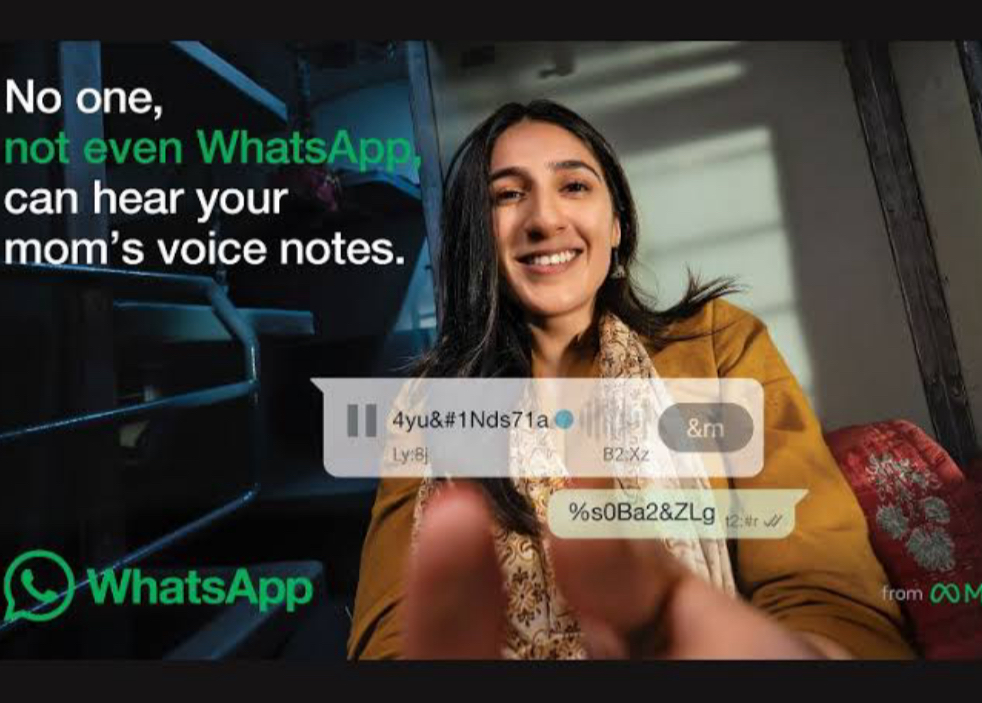
The campaign’s bold headline—“Not Even WhatsApp”—appears in video ads, billboards, social media, and broadcast content across more than 15 countries. Each creative execution drives home a single point: WhatsApp messages are between the sender and recipient period.
In one of the campaign’s most prominent videos, users are shown typing sensitive or emotional messages, followed by the tagline: “If it’s between you and them, it stays between you and them. Not even WhatsApp can read it.”
The goal is not just to market a feature but to rebuild trust in digital communication, particularly in light of increased skepticism around data-sharing by big tech platforms.
Why Now?
The timing of the campaign aligns with rising international pressure on messaging platforms to either weaken encryption for surveillance purposes or clarify their data policies to users.
Several governments in the EU and Global South have proposed laws that would require tech companies to provide “back doors” to encrypted services for national security investigations. WhatsApp, however, has stood firm in opposing such measures.
Meta (WhatsApp’s parent company) reiterated in its June 2025 public statement that end-to-end encryption is non-negotiable and critical to ensuring user safety, especially in countries where private communication can be a matter of personal freedom or even life and death.
How End-to-End Encryption Works
In simple terms, end-to-end encryption means that messages are scrambled into unreadable code when sent and can only be decoded by the recipient’s device. No one not internet providers, hackers, or even the app’s developers can intercept or decrypt them.
WhatsApp first introduced this encryption model in 2016 in collaboration with Open Whisper Systems (now known as Signal Foundation), using the Signal Protocol still considered the gold standard in secure messaging.
This encryption extends beyond texts. WhatsApp also applies it to voice calls, video calls, photos, voice notes, and group chats making it one of the most secure mainstream messaging platforms globally.
A Global Rollout with Local Relevance
The “Not Even WhatsApp” campaign is being rolled out across North America, Europe, Latin America, Asia, and parts of Africa, tailored to each region’s cultural and political climate.
For example:
- In Brazil, where WhatsApp is a lifeline for businesses and families alike, the campaign focuses on protecting customer communication.
- In India, one of the app’s largest markets, the ads highlight protection from unwanted surveillance, especially after past clashes with the Indian government over data-sharing laws.
- In the UK, where proposed legislation could weaken encryption in the name of child safety, the messaging stresses that security and protection of vulnerable users are not mutually exclusive.
The Business of Privacy
While privacy advocacy is at the heart of this campaign, it’s also a strategic business move. With the rise of encrypted competitors like Signal, Telegram, and iMessage, WhatsApp is reasserting its dominance not just through scale but through trust.
More than 2 billion people use WhatsApp globally, making it the most widely used encrypted communication platform. However, with growing privacy awareness especially among younger users WhatsApp’s association with Meta (which has faced multiple data privacy scandals) remains a reputational challenge.
By emphasizing that even Meta cannot access your WhatsApp messages, the campaign attempts to draw a clear line between WhatsApp and its parent company’s other, more data-driven platforms like Facebook and Instagram.
Reception and Impact
Early responses to the campaign have been largely positive. Privacy experts and digital rights groups have praised the company’s transparent, user-focused messaging and its resistance to political pressure to compromise security.
The Electronic Frontier Foundation (EFF), which has consistently advocated for strong encryption, issued a statement commending WhatsApp’s stance, saying:
“In a world where governments are asking for more control over our digital lives, it’s reassuring to see a global platform openly defend user privacy.”
On social media, the hashtag #NotEvenWhatsApp began trending in several countries, with users sharing stories about why encryption matters to them from journalistic protection to shielding family chats from hackers.
Final Word
The “Not Even WhatsApp” campaign isn’t just a marketing move, it’s a message to billions of users: your privacy still matters, and it is still possible.
In a time when many tech companies are compromising user safety in the name of growth or compliance, WhatsApp has taken a bold stance. By spotlighting encryption and personal control, the platform is staking its future on a principle as powerful as any feature:
No one should read your messages, Not even WhatsApp.