Experience is the New Currency
In today’s fast-evolving marketplace, the most successful brands are no longer just selling products they’re offering experiences, inviting participation, and building belonging. Taco Bell’s “Fan Style” taps into creative ownership, Estée Lauder’s digital shift tailors beauty to the individual, and IPG’s strong Q2 shows that data-backed storytelling still drives results.
What unites them isn’t industry, it’s intention. Each brand is meeting the consumer where they are: connected, expressive, and expecting more. The future belongs to companies that blur the line between creator and customer, between service and story.
As consumers demand more agency, and technology opens the door, one thing is clear: the brands that grow will be the ones that co-create.
Taco Bell Empowers Customers with New “Fan Style” Menu Feature
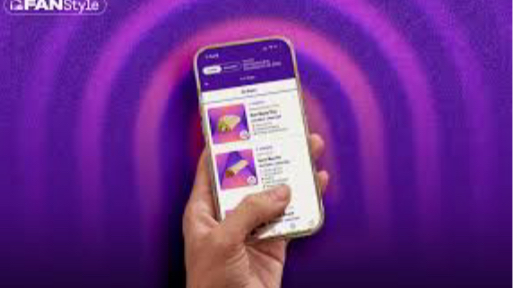
Taco Bell has officially launched a new feature in its mobile app called “Fan Style,” allowing customers across the United States to create, name, and promote their own custom menu items. The initiative marks a major expansion of the brand’s digital engagement strategy, placing the creative power of product development directly into the hands of its most loyal customers.
Available exclusively to Taco Bell Rewards members, the “Fan Style” feature enables users to experiment with existing menu ingredients to build unique item combinations. These user-generated creations can then be named and shared within the app’s community. According to the company, fan-favorite entries may be selected for limited-time placement on Taco Bell’s national menu, providing amateur food inventors a rare opportunity to have their ideas featured at thousands of locations.
The campaign is set to reach a new peak on July 29, when Taco Bell will promote standout fan creations through high-visibility marketing activations. These include custom billboards, sky banners, and digital placements, effectively turning everyday customers into co-creators and brand ambassadors. Taco Bell has confirmed that the most viral and highly rated combinations will be featured in the rollout.
The move follows a series of successful digital campaigns by the brand, including menu hacks and app-exclusive deals, and reinforces Taco Bell’s commitment to customer-centric innovation. “We’re constantly looking for new ways to connect with our community, and ‘Fan Style’ allows us to celebrate the creativity and loyalty of our fans in a way that feels fresh and fun,” said a Taco Bell spokesperson.
Marketing analysts see the campaign as a reflection of a broader trend in the fast-food industry: giving customers a more interactive and personalized experience through digital tools. By combining customization with gamification and user recognition, Taco Bell is tapping into Gen Z’s appetite for individuality, participation, and online validation.
Since the feature’s rollout earlier this month, social media platforms have seen a spike in posts featuring user-generated menu items, further expanding Taco Bell’s reach without significant ad spend. The brand has hinted at future plans to expand the “Fan Style” concept into contests and limited-edition merchandise.
With the “Fan Style” launch, Taco Bell is not just reimagining its menu, it’s reshaping the relationship between brand and consumer, blurring the line between customer and creator in a way that may set a precedent for the QSR (Quick Service Restaurant) industry at large.
Interpublic Group Reports Strong Q2 Earnings, Signals Stability in Advertising Market Amid Economic Pressures
In a reassuring update for the global marketing and advertising sector, Interpublic Group (IPG) has reported stronger-than-expected earnings for the second quarter of 2025, showcasing resilience in client spending despite broader economic headwinds. The multinational advertising conglomerate posted $2.54 billion in revenue, significantly outperforming analyst estimates of $2.17 billion. Adjusted earnings came in at $0.75 per share, well above the projected $0.56.
This strong performance is being hailed as a signal that advertising and marketing services remain essential investments for brands, even as many industries continue to tighten budgets amid inflation and market uncertainty. According to IPG, growth was driven by several high-performing segments most notably media, healthcare marketing, sports marketing, and public relations.
“We continue to see strong momentum from our healthcare and data-driven media services, which offer measurable value to clients in this competitive climate,” said an IPG executive during the earnings call. “Our investments in AI, analytics, and specialized expertise are paying off.”
Sector Highlights: Healthcare, Sports, and Precision Marketing
IPG’s healthcare unit, long considered a cornerstone of the company’s stability, showed double-digit year-on-year growth as pharmaceutical brands and wellness startups ramped up their campaigns across digital and traditional platforms. With healthcare becoming more consumer-facing and regulated, agencies like IPG that offer deep industry knowledge and regulatory sensitivity are in high demand.
Meanwhile, sports marketing continues to thrive, boosted by major global events in 2025 such as the Africa Cup of Nations, the Women’s Rugby World Cup, and build-up campaigns for the 2026 FIFA World Cup. IPG’s involvement in live event sponsorships, brand activations, and athlete-partnered content contributed significantly to their Q2 success.
IPG also emphasized that its data and performance-driven marketing units which help brands target consumers more accurately through analytics and AI are driving better ROI and attracting long-term client contracts.
AI Adoption and Digital Transformation
The company reaffirmed its commitment to AI-powered creative development and media planning tools, aligning with broader industry trends that are reshaping how content is created and distributed. During the recent Cannes Lions International Festival of Creativity, several IPG executives highlighted that the group is now deploying generative AI tools in real-time creative testing, programmatic ad buying, and personalized content at scale.
While some industry observers have warned that AI tools may disrupt traditional agency roles, IPG appears to be using the technology as a supplement rather than a substitute, offering human–machine collaborations that boost efficiency and scale without compromising creative integrity.
The Omnicom Merger: Industry Transformation on the Horizon
One of the most closely watched developments in IPG’s future is its planned $13.25 billion merger with Omnicom Group, another global advertising titan. The merger, if finalized in the second half of 2025 as expected, would create the largest marketing communications group in the world, surpassing current leaders like WPP and Publicis Groupe.
Regulatory reviews are currently underway in the United States and Europe. If approved, the merger will likely lead to a massive reshaping of the agency landscape, consolidating hundreds of sub-agencies and media platforms under a new mega-holding company. Analysts predict that the combined entity will be in a better position to compete with not only traditional ad firms but also with tech-driven competitors like Google Marketing Platform, Meta’s Business Suite, and Amazon Ads.
Market Reaction and Investor Confidence
Following the Q2 earnings announcement, IPG’s stock surged nearly 5% in intraday trading a clear sign that investor confidence remains high. Market analysts view the results as a strong indicator that the marketing and communications sector may be more insulated from economic volatility than previously thought, especially when supported by high-demand sectors like healthcare and sports.
Looking Ahead
With two more quarters to go before the Omnicom merger decision, IPG’s immediate focus remains on operational efficiency, client retention, and digital integration. The company has hinted at upcoming AI product rollouts and new client wins in Asia and Latin America that could further boost its global reach.
As economic pressures continue to challenge various industries, IPG’s performance in Q2 2025 offers a valuable insight: brands are still willing to invest in marketing that delivers results especially when backed by precision, personalization, and strategic insight.
Estée Lauder Launches “Beauty Reimagined” Digital Transformation Strategy to Modernize Brand and Regain Market Share

Global cosmetics giant Estée Lauder Companies Inc. has unveiled a sweeping digital transformation initiative under the banner “Beauty Reimagined,” aimed at rejuvenating its brand image, boosting declining sales, and capturing the loyalty of a younger, digitally-savvy consumer base.
This strategic shift is being led by newly appointed CEO Stéphane de La Faverie, who took the helm earlier this year after previously serving as Group President of Estée Lauder’s portfolio brands. With a renewed emphasis on innovation, digital-first experiences, and data-driven personalization, de La Faverie’s leadership marks a turning point for the 75-year-old legacy company navigating an increasingly competitive global beauty market.
At the center of the “Beauty Reimagined” strategy is the appointment of Aude Gandon as Chief Digital and Marketing Officer a role that combines digital transformation and brand communication under one executive umbrella. Gandon, who previously held senior marketing roles at L’Oréal and Nestlé, brings extensive experience in consumer engagement, e-commerce acceleration, and AI-powered marketing.
Estée Lauder’s new approach focuses on integrating artificial intelligence, machine learning, and personalization engines into both its physical retail presence and online platforms. Key features include:
- AI-driven beauty quizzes that offer customers customized skincare and makeup recommendations based on skin tone, texture, climate, and personal preferences.
- Virtual try-on technology enhanced with augmented reality, allowing users to test products digitally across Estée Lauder’s websites and mobile apps.
- Tailored e-commerce experiences, where browsing, product suggestions, and customer communication adapt to the user’s individual beauty profile and purchase history.
The company is also investing in data analytics and CRM (Customer Relationship Management) tools to improve retention and build stronger one-on-one relationships with consumers across channels.
According to Estée Lauder executives, the goal is to create a “seamless beauty ecosystem” a fully integrated model where discovery, education, trial, and purchase are all customized, engaging, and reflective of modern consumer behavior. “Beauty Reimagined is about reintroducing luxury beauty through the lens of technology, inclusivity, and personalization,” said a spokesperson for the company.
The move comes at a critical time for Estée Lauder, which has seen sluggish growth and a dip in global market share, particularly in the Asia-Pacific region, where changing consumer habits and increased competition from local brands have disrupted traditional sales channels. Additionally, Gen Z and Millennial consumers, a demographic expected to dominate the beauty market over the next decade have shown a preference for digital-first brands that prioritize transparency, customization, and convenience.
Beyond tech, Estée Lauder is also focusing on diversifying its product lines, offering expanded shade ranges, skin-specific formulations, and sustainable packaging. The brand plans to debut a new sustainability dashboard by Q4 2025, allowing consumers to track the environmental impact of their purchases a direct response to growing demand for eco-conscious practices in the beauty sector.
“Beauty Reimagined” also includes a revamp of the company’s influencer marketing strategy, with a shift toward AI-generated avatars, digital creators, and micro-influencers who resonate with niche audiences on platforms like TikTok and Instagram.
Industry analysts say this strategic pivot is necessary for Estée Lauder to stay relevant and maintain its premium positioning in an increasingly fragmented and fast-evolving market. “Estée Lauder has historically leaned on legacy prestige and loyal customer bases, but younger generations require digital fluency and personal engagement. This strategy shows they’re ready to compete,” said one market expert.
The transformation initiative will be rolled out in phases throughout 2025 and 2026, with pilot programs launching in the U.S., U.K., and China. By the end of next year, Estée Lauder aims to have fully integrated AI-personalized experiences across all its digital storefronts and key retail partners.
With “Beauty Reimagined,” Estée Lauder is not only embracing technology it’s redefining what prestige beauty means in a digital-first world.