The Heartbeat of Modern Marketing
This week, three very different campaigns delivered a shared message: marketing today isn’t just about selling, it’s about showing up with intention, relevance, and soul.
In Maui, marketing wears the weight of healing. The island’s $6 million emergency push isn’t just about getting tourists back it’s about restoring livelihoods, honoring resilience, and rebuilding a community’s spirit. It’s a reminder that marketing can carry meaning far beyond metrics when rooted in empathy.
Meanwhile, Google’s latest June updates prove that the tools we use to connect with audiences are evolving fast. With AI-powered visuals, stronger safety protocols, and powerful automation tools, brands now have the means to be smarter, safer, and more human in their digital presence. The challenge? Not just keeping up but staying intentional while doing so.
And then there’s Lowe’s, boldly entering creator territory through a partnership with MrBeast a move that speaks to a deeper shift. Today’s audiences don’t just want to be sold to they want to be part of something. Culture is the new currency, and brands that understand that will win not just attention, but loyalty.
Across these stories, the heartbeat is clear: modern marketing belongs to those who adapt with purpose, communicate with care, and create with meaning. Whether it’s a recovering island, a reinvented algorithm, or a viral video challenge every campaign becomes part of a larger conversation about how we lead, relate, and show up in the world.
Lowe’s Launches Branded Creator Network Featuring MrBeast to Deepen Gen Z and Millennial Engagement
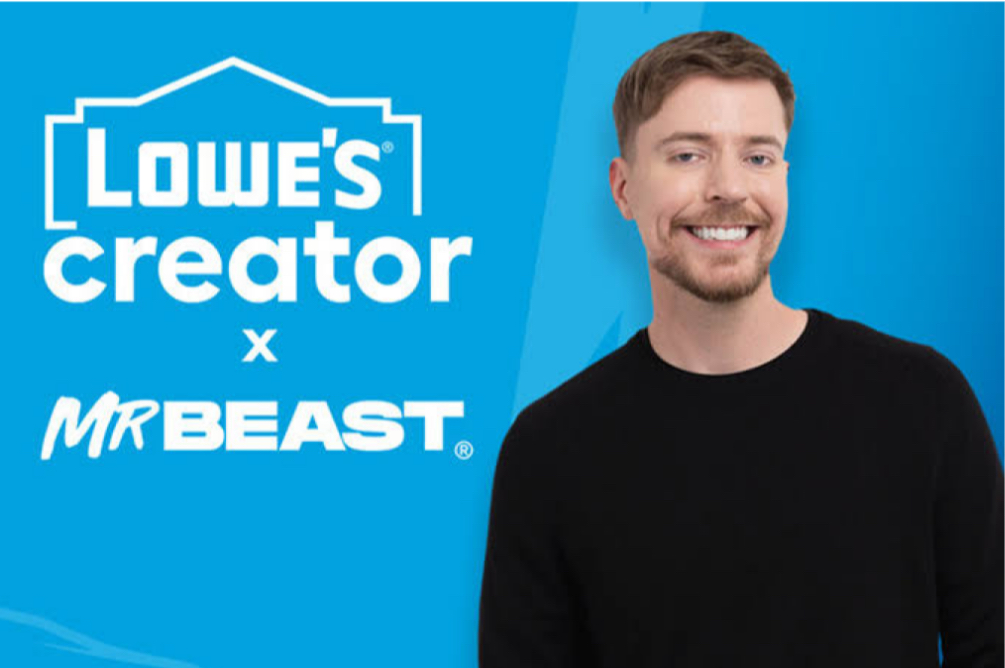
In an ambitious move to solidify its position in the digital marketing space, Lowe’s has unveiled a new branded creator network through a high-profile partnership with globally renowned YouTube creator MrBeast, as part of the second season of the viral competition series “Beast Games.” The collaboration signals a shift in the home improvement retailer’s marketing strategy from traditional retail advertising to content-led, creator-first branding that resonates with the digital behaviors of younger consumers.
This partnership allows Lowe’s to plug directly into the massive cultural influence and reach of MrBeast, who commands over 250 million subscribers and a fiercely loyal global fanbase. Known for his outlandish challenges and viral philanthropy, MrBeast brings both entertainment value and authenticity, making him an ideal bridge to Gen Z and millennial audiences demographics that are increasingly tuning out traditional ads in favor of influencer content that feels personal, interactive, and culturally relevant.
Rather than simply acting as a sponsor, Lowe’s is embedding itself within a creator ecosystem, producing behind-the-scenes content, co-branded experiences, and shoppable moments that live across digital platforms. This creator network is not a short-term campaign, it is a strategic, long-term investment in community building, digital storytelling, and brand evolution. The retailer is also giving participating creators the tools and creative freedom to showcase Lowe’s products in ways that feel organic to their own platforms and audiences.
Lowe’s Chief Marketing Officer emphasized that the initiative is part of a broader transformation in how the brand shows up in consumers’ lives. “We’re not just trying to sell hammers and paint. We’re becoming a part of how the next generation dreams, builds, and expresses themselves,” they explained. “This partnership with MrBeast reflects a strategic evolution in our storytelling, where entertainment, community, and commerce converge.”
The launch aligns with wider trends in the marketing industry, where influencer-driven campaigns and creator collaborations are fast becoming key pillars of brand relevance. As platforms like YouTube, TikTok, and Instagram dominate consumer attention, brands are increasingly choosing to integrate with creators rather than interrupt them.
With millions already tuning in to Beast Games, Lowe’s is betting that this visibility will translate into meaningful engagement boosting brand affinity, increasing digital footfall, and ultimately driving both online and in-store purchases. As marketing continues to evolve in the attention economy, Lowe’s is positioning itself not just as a home improvement retailer, but as a lifestyle brand capable of commanding attention where it matters most which is culture.
Google Rolls Out Major June Updates in Search Marketing, Enhancing Safety, AI Integration, and Advertiser Tools
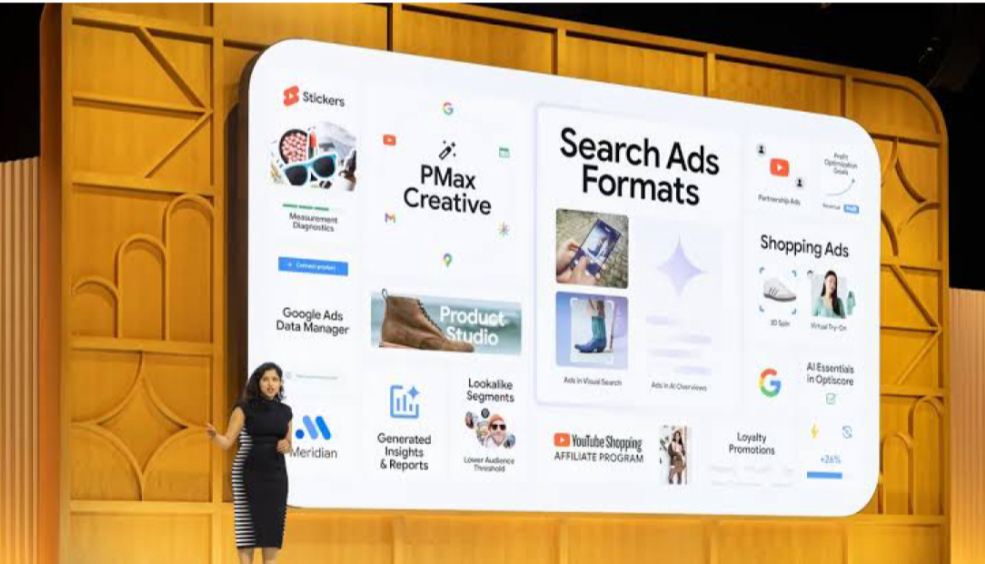
In a sweeping move that signals the next phase of its digital evolution, Google has unveiled a series of impactful search marketing updates this June, marking a critical shift in how content is ranked, how data is visualized, and how advertisers engage with platforms. These updates affect both organic search and paid advertising, reinforcing Google’s multi-pronged approach to delivering safer, smarter, and more efficient online experiences for users and more sophisticated tools for marketers.
Among the most notable changes is the updated ranking algorithm concerning explicit or adult content. Google is fine-tuning its systems to better detect, label, and demote content that may be deemed sensitive, harmful, or irrelevant especially in contexts where such results could compromise user experience or safety.
The initiative includes enhanced filters to protect minors and prevent the accidental surfacing of explicit results in general search queries. This move is not just about compliance; it reflects a broader, global effort by major tech platforms to enforce ethical content moderation and make the internet a more accountable and trustworthy space for all users. For content creators and marketers, this development necessitates stricter adherence to Google’s content quality and context guidelines, especially for brands operating in entertainment, health, wellness, or lifestyle spaces where borderline content may be involved.
Google is also making a visible upgrade to its financial search interface. With the integration of AI-powered visualizations, users searching for financial information such as stock prices, earnings forecasts, or investment trends will now encounter interactive graphics, predictive models, and real-time market snapshots directly within their search results.
These visual elements are designed to enhance user comprehension and engagement, replacing static lists or text-heavy data with accessible, dynamic infographics. For brands and publishers in the finance space, this update opens up opportunities to optimize for visual-first indexing, craft data-rich content strategies, and better position themselves within these enhanced SERPs (Search Engine Results Pages).
The underlying AI tools also allow for predictive modeling, which could help users anticipate future trends turning search from a reactive tool into a forecasting companion. This shift aligns with Google’s vision of making its engine not just a library of answers, but a proactive guide powered by generative AI and machine learning.
On the paid marketing front, Google has released the much-anticipated Google Ads API v20, packed with enhancements that bring automation, analytics, and campaign control to new heights. This version introduces custom conversion goals, enabling advertisers to set highly specific KPIs that align better with their business objectives. With real-time event triggers, marketers can respond instantly to key user behaviors such as form submissions or product views boosting responsiveness and ROAS (Return on Ad Spend).
The API also improves audience segmentation, allowing for deeper behavioral targeting, and offers richer reporting dashboards that simplify how performance metrics are tracked and shared across teams.
These tools are a boon for agencies, e-commerce brands, and in-house marketing teams managing complex ad accounts. The emphasis is clear: Google wants to give marketers more precision, more insight, and more automation while reducing friction across every stage of the ad lifecycle.
These updates are not isolated they reflect a deeper recalibration of Google’s approach in the age of AI-driven search, data privacy awareness, and the creator economy. With increasing regulatory scrutiny and evolving user expectations, Google is attempting to strike a balance between technological innovation and ethical responsibility.
For marketers, the implications are multifaceted. It’s no longer just about keyword rankings or ad budgets; success now depends on a brand’s ability to:
- Stay ahead of AI content trends
- Maintain high content quality and context integrity
- Adapt to changing SERP formats and visual-driven UX
- Leverage APIs for real-time optimization and automated campaign scaling
Action Points for Brands and Marketers
- Audit content regularly to ensure it meets Google’s updated safety and quality standards
- Incorporate visual storytelling into financial or data-heavy content to gain an edge in search
- Upgrade to Ads API v20 if managing large-scale ad campaigns, and explore automation options
- Monitor Search Central Blog for ongoing algorithm insights and best practices
•Prepare for a future where AI, UX, and data responsibility are central to search success
Maui Launches $6 Million Emergency Marketing Campaign to Revive Tourism After Wildfire Fallout

In the wake of last year’s devastating wildfires and the lingering economic downturn that followed, Maui has launched a $6 million emergency marketing campaign aimed at reviving its once-thriving tourism industry. The initiative, backed by the Hawai‘i Tourism Authority and state officials, is a direct response to the steep decline in visitor arrivals and travel spending on the island two critical lifelines for Maui’s local economy.
The campaign is focused on rebuilding confidence among potential travelers, particularly from the U.S. mainland and Japan, who may still perceive the island as inaccessible or unsafe due to lingering news coverage of the disaster. The marketing effort seeks to correct misconceptions, highlight Maui’s recovery progress, and position the island once again as a premier destination for culture-rich, sustainable travel.
Running across digital platforms, TV, social media, and travel publications, the campaign features stories of resilience, local business recovery, and the enduring beauty of Maui’s landscapes. It also emphasizes respectful tourism encouraging visitors to support local businesses, honor Hawaiian traditions, and travel with a sense of responsibility to the communities still rebuilding.
According to the Hawai‘i Tourism Authority, the campaign’s goal isn’t just economic recovery, it’s cultural preservation. “We want visitors to return, but we want them to come with awareness,” said a spokesperson. “This is about helping Maui healeconomically and emotionally through mindful tourism.”
The $6 million funding was approved as part of an emergency relief allocation and is being rolled out in partnership with travel industry stakeholders, airlines, influencers, and hospitality brands. Local hotels and tour operators have already reported slight upticks in bookings since early promotional materials launched.
Tourism makes up over 70% of Maui’s private sector economy, and the impact of the wildfires particularly in Lahaina sent shockwaves through employment, small business operations, and family livelihoods. With summer travel season underway, Maui’s leadership is hoping the campaign can help reverse the trend and bring not only tourists, but hope and momentum back to the island.