GENERAL NEWS 9TH SEPTEMBER 2025
Turbulence Across Politics, Labor, and War
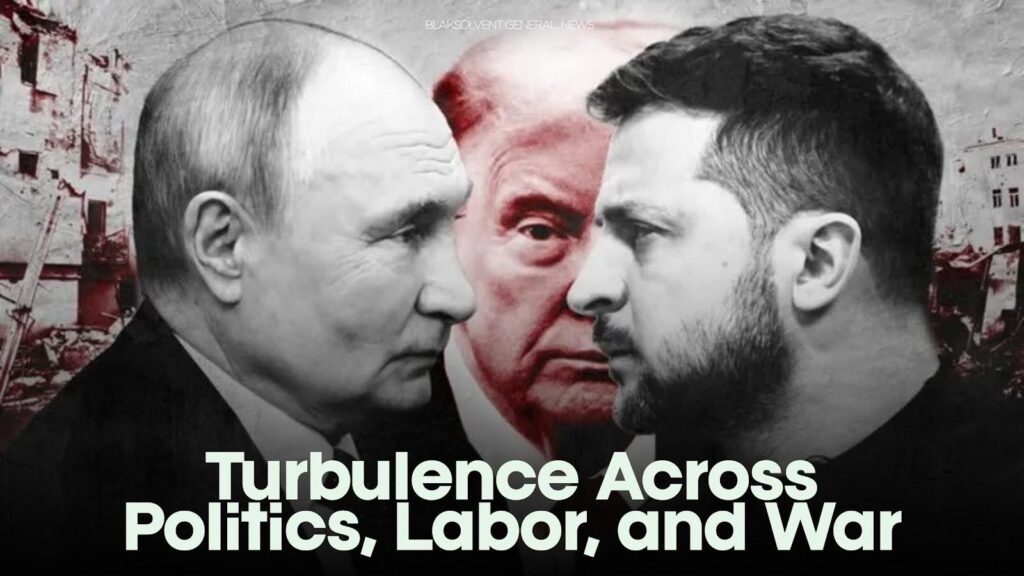
The world today stands at the intersection of accountability, unrest, and conflict. In politics, the sentencing of a former Premier serves as a sobering reminder that leadership carries responsibilities as weighty as the privileges it bestows. This trial has captured attention not only because of the individual at its center but because it poses a larger question: what should justice look like when the powerful are finally held to account?
At the same time, economic tensions are heating up. Oil workers, the backbone of global energy supply chains, are threatening a nationwide strike that could bring transport, industry, and even households to a standstill. The looming disruption underscores how fragile energy markets are, and how deeply labor disputes can ripple into wider economies already struggling with inflation and uncertainty.
Meanwhile, the Russia-Ukraine war grinds into yet another phase, reshaping alliances, economies, and security arrangements. What was once dismissed as a short-term conflict has instead become a generational struggle with global implications from Europe’s energy reliance to the balance of power between NATO and Russia.
Taken together, these stories show a world where politics, labor, and conflict intersect, and where ordinary citizens feel the brunt of decisions made in palaces, boardrooms, and battlefields alike.
Former Premier Sentenced to Prison: A Fall from Power That Redefines Accountability
BY BLAKSOLVENT
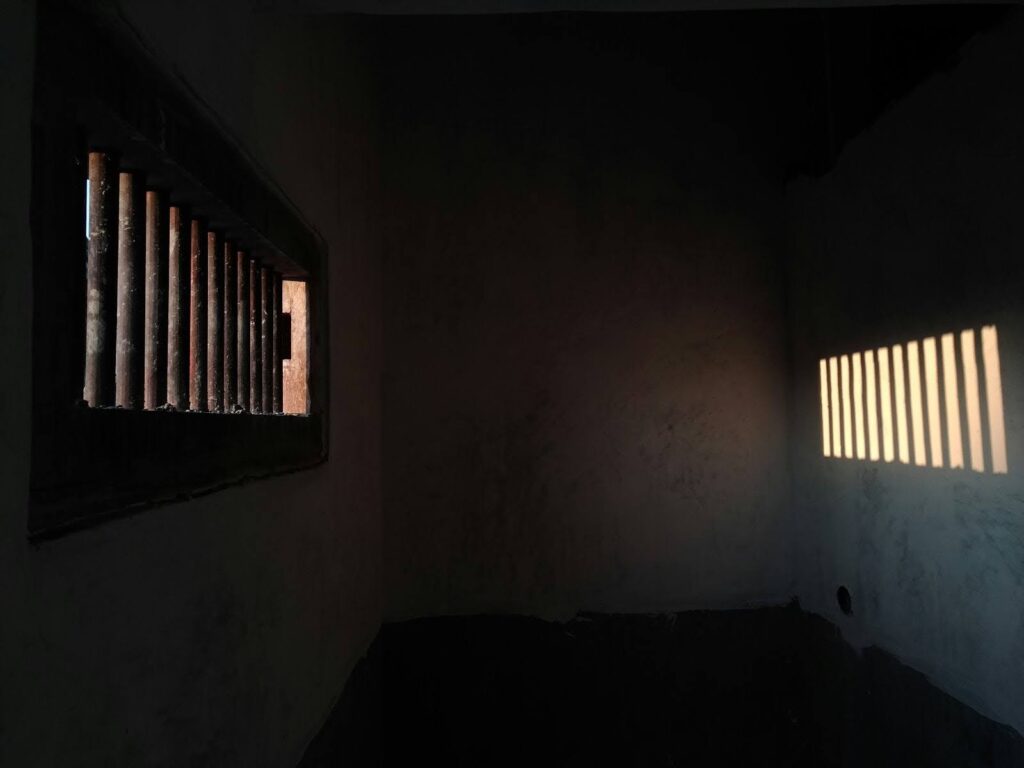
In the annals of political history, the sentencing of a former Premier stands out as a seismic event. Once celebrated as a symbol of leadership and national pride, the same figure now faces years behind bars after being convicted of corruption and abuse of power. The transition from high office to prison cell has not only shaken the political elite but also ignited a debate about accountability, governance, and the future of democracy in the nation.
For decades, many citizens had grown accustomed to seeing leaders evade justice, often protected by entrenched systems of patronage, immunity, or political deals that shielded them from consequences. That pattern has been shattered. The trial was not just about one man but about a culture of impunity that had lingered for too long. In the courtroom, prosecutors outlined how state funds were mismanaged, how influence was abused, and how personal gain was prioritized over public good. Defense lawyers, of course, countered with arguments about political witch-hunts, selective justice, and vendettas against a man who had once enjoyed widespread popularity. Yet in the end, the weight of evidence prevailed, leading to a guilty verdict that will reverberate for years.
The significance of this case goes far beyond the fate of a single politician. For citizens, it represents both vindication and a test. On one hand, it shows that no one is above the law, not even those who once commanded armies, parliaments, or treasuries. On the other hand, it raises questions about consistency: will justice always be applied with such vigor, or is this simply a symbolic case intended to appease public anger while others remain untouched?
Observers from outside the country have been quick to note that such trials are rare in the region. Neighboring states, some grappling with their own corruption scandals, are watching closely. Diplomats and international organizations have praised the judiciary for its independence, while also cautioning that true reform requires systemic change, not just one high-profile conviction.
The emotional reaction of citizens has been equally telling. Some cheered outside the courthouse, waving banners that read “Justice at Last.” Others, still loyal to the former Premier, saw the trial as unfair and politically motivated, claiming that history would vindicate him. Social media platforms buzzed with debates that reflected the country’s deep divisions not just about the man on trial, but about what democracy should mean in practice.
In the short term, the political landscape is in flux. Parties are re-aligning, allies are distancing themselves, and younger politicians are seizing the moment to argue for generational change. In the long term, historians may look back at this moment as either the beginning of a new culture of accountability or as a temporary spectacle in a continuing cycle of impunity.
Ultimately, the sight of a former Premier in handcuffs is a powerful image, one that both inspires hope and demands caution. I hope that leaders will be forced to govern with integrity, knowing they may one day answer for their actions. Caution because true justice requires consistency, not exceptions. And the real test lies in whether this trial sparks reform across all levels of government or whether it fades into just another chapter of scandal in political history.
Nationwide Strike Looms as Oil Workers Demand Better Wages and Protections
BY BLAKSOLVENT
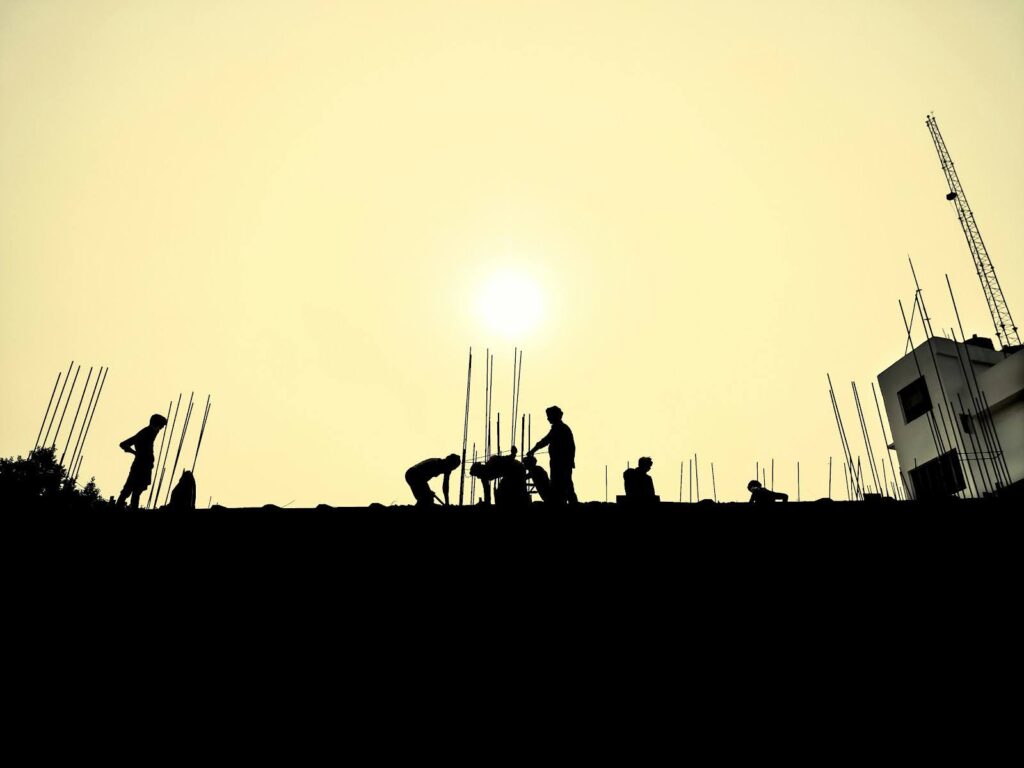
Few industries are as vital to a nation’s economy as the oil sector. From fueling cars to generating electricity, from powering factories to shaping export revenues, oil workers are the invisible engine behind everyday life. That’s why the announcement of a potential nationwide strike by oil workers’ unions has sent shockwaves across the country and beyond.
At the heart of the dispute are demands for better wages, improved safety standards, and more comprehensive protections against economic volatility. For years, workers have argued that while oil prices rise and fall on the global stage, their livelihoods remain precarious. In times of boom, profits often go to corporations and shareholders, not to the employees who keep the rigs running. In times of bust, it is the workers who bear the brunt of layoffs, wage freezes, and unsafe working conditions.
Union leaders have framed this strike not merely as a fight for better paychecks, but as a struggle for dignity and fairness in an industry that has historically prioritized profits over people. They argue that workers who risk their lives on offshore platforms or in hazardous refineries should not have to struggle to pay rent or provide healthcare for their families.
The government, however, has urged caution. Officials warn that a nationwide strike could cripple the economy, cause fuel shortages, and trigger inflationary pressures that would harm citizens across all sectors. Negotiations are ongoing, with mediators attempting to bridge the gap between labor unions and oil executives. But tensions are high, and patience is running thin.
On the streets, ordinary citizens are divided. Some sympathize with the workers, recognizing the risks they endure and the fairness of their demands. Others worry about the ripple effects of a strike, long lines at gas stations, blackouts, or rising food prices, and question whether this is the right time for such drastic action given broader economic instability.
International markets are also watching closely. Any disruption in oil supply from a major producer could send prices soaring, affecting global trade and energy security. Analysts warn that even the threat of a strike is enough to create volatility in futures markets, as traders hedge against potential shortages.
Historically, labor strikes have been inflection points, reshaping industries and forcing governments to reckon with the power of collective bargaining. This one, if it goes forward, could be no different. Already, smaller demonstrations have taken place at refineries, with workers carrying placards demanding “Fair Pay for Hard Work” and “Safety Before Profits.”
For now, the question remains whether compromise can be achieved before the strike deadline. If not, the country could face its most serious labor disruption in decades, one that underscores both the fragility and the centrality of oil to modern life. Whatever the outcome, the voices of oil workers have already forced the nation to confront uncomfortable truths: that energy is not just about markets and machinery, but also about the people whose labor makes it possible.
Russia-Ukraine War Drags On: Global Fallout from a Conflict Without End
BY BLAKSOLVENT
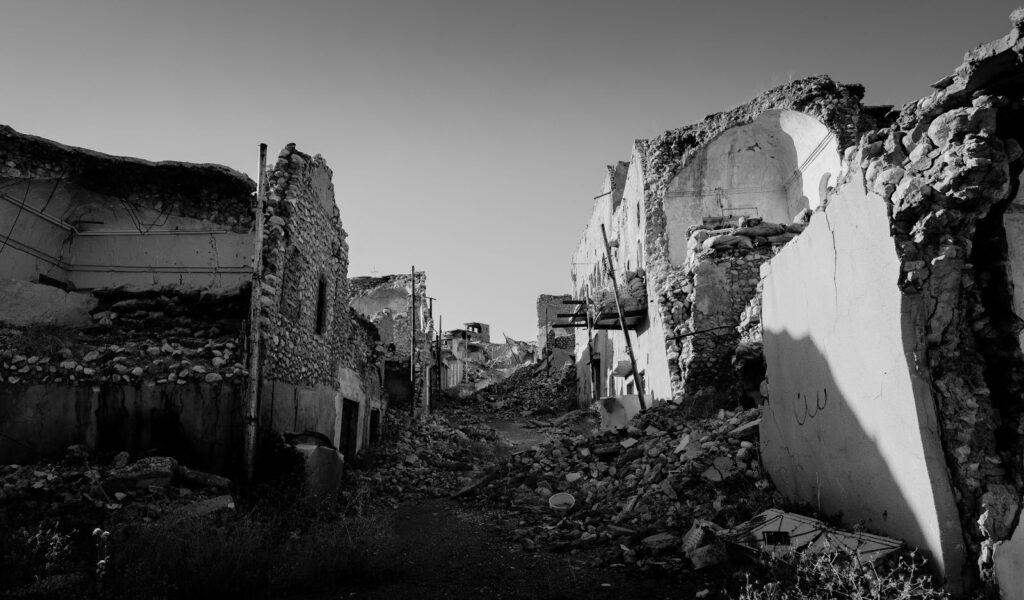
More than two years since Russian troops first crossed into Ukraine, the war shows no signs of abating. What began as a swift invasion has morphed into a grinding conflict, with frontlines shifting only marginally and both sides locked in a battle of attrition. The costs, human, economic, and been staggering.
For Ukraine, the war has been existential. Entire cities have been reduced to rubble, millions displaced, and thousands of soldiers and civilians killed. Yet, despite the devastation, the country has refused to capitulate, buoyed by international aid, military support, and the resilience of its people. President Volodymyr Zelensky has become a global symbol of defiance, rallying Western nations to keep providing weapons, funds, and political backing.
For Russia, the conflict has reshaped its place in the world. Once a central player in global energy and diplomacy, it now finds itself heavily sanctioned, isolated from Western markets, and increasingly reliant on non-Western partners such as China and Iran. Yet the Kremlin shows no signs of backing down, framing the war as a defense of national security against what it calls NATO encroachment.
The impact on global economies has been profound. Energy prices spiked in the early months of the war, destabilizing markets and fueling inflation across Europe and beyond. Grain exports from Ukraine, once the “breadbasket of Europe,” were disrupted, triggering food shortages in parts of Africa and the Middle East. Although some trade has resumed under fragile agreements, the situation remains precarious.
Diplomatic efforts for peace have faltered repeatedly. Ceasefire talks collapse as quickly as they are convened, and each new offensive dashes hopes for an end to the fighting. War fatigue is setting in, not only among Ukrainians and Russians but also among Western publics who question how long their governments can sustain support.
Yet the stakes remain high. A decisive outcome one way or the other could reshape Europe’s security architecture for generations. NATO, once dismissed as obsolete, has been revitalized by the war, with countries like Finland and Sweden seeking membership in direct response to Russian aggression. Meanwhile, global alliances are shifting as nations recalibrate their positions in a polarized world order.
For ordinary people in Ukraine, however, geopolitics is secondary to survival. Families huddle in underground shelters during air raids, children attend classes in makeshift schools, and soldiers endure brutal winters in trenches reminiscent of World War I. Their stories are a testament to resilience but also a reminder of the staggering human cost of a war that drags on without resolution.
As the conflict enters yet another year, the world watches with a mix of dread and resignation. The Russia-Ukraine war has already altered the course of history. The only unanswered question is how, and when it will end.