Navigating the Complexities of a Globalized World
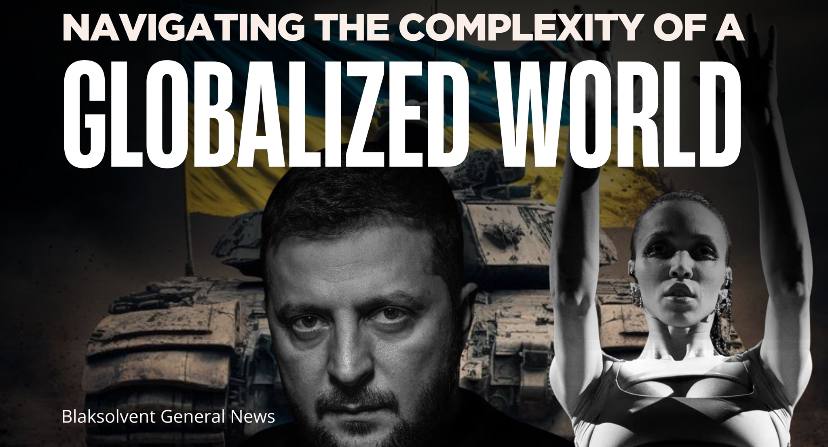
In today’s interconnected landscape, individuals and institutions alike face multifaceted challenges that transcend borders and sectors. From geopolitical tensions exemplified by Ukrainian military movements in Russia’s Belgorod region, to public health crises like the multistate measles outbreak, and cultural disruptions such as FKA Twigs’s tour cancellations due to visa issues, each scenario underscores the intricate web of factors influencing our global society. These events highlight the necessity for adaptive strategies, international cooperation, and comprehensive policy reforms to effectively address the evolving demands of a rapidly globalizing world.
Zelensky Breaks Silence: Ukrainian Troops Operating in Russia’s Belgorod Region Confirmed
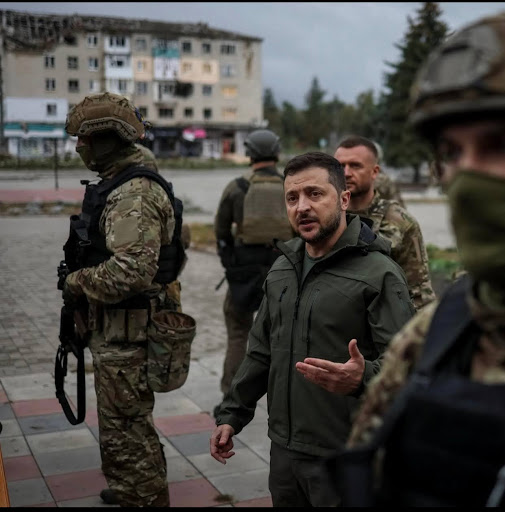
Kyiv, Ukraine — In a significant development amid the ongoing Russia-Ukraine conflict, Ukrainian President Volodymyr Zelensky has officially confirmed for the first time that Ukrainian forces are operating within Russia’s Belgorod region. This acknowledgment marks a turning point in the scope of Ukraine’s military strategy, reflecting a more assertive stance as the war enters its third year.
Strategic Shift: Beyond Defensive Lines
Speaking during an exclusive interview with German media outlet Bild, Zelensky said, “Yes, we are operating there,” when asked about Ukrainian military activity inside Russia’s borders. The Belgorod region, located just across the northeastern Ukrainian frontier, has witnessed a surge in cross-border shelling, drone strikes, and sabotage activities over recent months.
Until now, Ukraine’s political and military leadership had remained tight-lipped about any direct operations on Russian soil, framing most counteroffensives as defensive or retaliatory in nature. Zelensky’s statement signals a strategic shift—Ukraine is no longer limiting its operations to its own territory.
Tactical Objectives in Belgorod
The Belgorod region has long served as a logistical hub for Russian forces, with supply lines, ammunition depots, and troop concentrations supporting offensives in Ukraine’s Kharkiv and Sumy regions. Military analysts believe Ukraine’s incursions aim to disrupt these operations, forcing Moscow to divert resources and manpower to protect its own borders.
According to sources within Ukraine’s defense intelligence, operations in Belgorod have primarily involved elite units and special forces tasked with sabotage, intelligence gathering, and diversionary attacks. These units are said to operate in coordination with anti-Kremlin Russian volunteer battalions like the Russian Volunteer Corps and Freedom of Russia Legion.
Russia Responds: Escalation Risks Loom
Kremlin spokesperson Dmitry Peskov responded swiftly to Zelensky’s confirmation, calling it “a direct act of aggression” and threatening “decisive countermeasures.” Russia has already increased airstrikes and drone attacks across Ukrainian cities, including recent attacks in Kharkiv and Odesa that left multiple civilians dead.
Military analysts warn that this public acknowledgment could escalate the war further, drawing NATO and other international actors deeper into the geopolitical quagmire. Some Western allies have expressed concerns over cross-border attacks potentially violating international norms, but have stopped short of publicly condemning Ukraine’s tactics.
Public Opinion and Political Fallout
Inside Ukraine, Zelensky’s statement has garnered both praise and criticism. Supporters see it as a necessary step toward weakening Russian aggression, while critics fear it could justify even more brutal retaliation from Moscow.
International reactions have been cautious. While NATO continues to support Ukraine with arms and intelligence, there is an increasing push for diplomatic off-ramps to prevent the war from spiraling into wider European conflict.
The Bigger Picture: War’s Evolution
As the war grinds into a protracted and attritional phase, Ukraine’s expansion of the battlefield into Russian territory marks a new era of confrontation. Zelensky’s statement is likely intended to signal strength, boost morale, and communicate to both domestic and international audiences that Ukraine will not be constrained by traditional lines of engagement.
Multistate Measles Outbreak Response Confronts Unprecedented Hurdles Amid Complex Challenges

A rapidly spreading measles outbreak across several states has plunged public health officials into a state of urgency and confusion, as they struggle to manage a crisis beset by an intricate array of challenges. The outbreak, which has been labeled as a multistate emergency, is testing the resilience of strained health systems and exposing significant gaps in disease containment efforts.
In recent weeks, clusters of measles cases have emerged in various regions, raising alarms about the potential escalation into a nationwide public health emergency. Several factors are fueling the spread of the disease. Vaccine hesitancy, driven by pervasive misinformation on social media and other platforms, has undermined vaccination campaigns, leaving communities with low immunization rates particularly vulnerable. Concurrently, resource shortages are impeding timely responses; staffing deficits and limited vaccine supplies have hampered efforts to set up effective immunization drives, complicating coordination between federal, state, and local agencies.
The structural weaknesses within the healthcare framework have also come to the fore. A fragmented public health infrastructure, characterized by discrepancies in access to care and inconsistent communication among agencies, has significantly slowed down essential operations such as contact tracing and outbreak mapping. As a result, the distribution of critical medical supplies and the mobilization of rapid response teams have been less effective than needed to stem the spread of measles.
Experts emphasize that while measles is a preventable disease, its resurgence in this outbreak has been amplified by socioeconomic challenges and political obstacles. In some regions, longstanding poverty and deep-rooted mistrust in government initiatives have created an environment where public health messages are met with skepticism. Additionally, divergent political priorities at the state level have led to bureaucratic delays, further hindering the swift execution of emergency protocols.
In response, health authorities have initiated comprehensive measures aimed at containing the outbreak. Emergency vaccination clinics have been established in the most affected areas, with mobile units dispatched to reach remote communities. Public education campaigns have been intensified to counteract the widespread misinformation, aiming to reinforce confidence in vaccine safety and effectiveness. Simultaneously, states have upgraded their data collection methods and real-time surveillance systems in an effort to monitor the outbreak’s trajectory and predict the emergence of new clusters.
Despite these coordinated efforts, the situation remains fluid. Medical experts caution that unless a unified strategy is implemented and the underlying issues of vaccine hesitancy and infrastructural shortcomings are addressed, the outbreak may spiral into a more serious public health crisis. Political leaders face mounting pressure to deliver decisive and timely action, while community figures continue to call for more transparent communication to rebuild public trust.
As the measles outbreak evolves, the effectiveness of these emergency measures, and the system’s capacity to adapt to rapidly changing circumstances, will be critical in determining whether the crisis can be contained or if it will escalate into a broader epidemic. Blacksolvent News remains committed to providing ongoing in-depth analysis and timely updates as events continue to unfold.
FKA Twigs Suspends Coachella Performance and Tour Stops Amid Persisting Visa Complications

In a stunning announcement that has sent shockwaves across the music industry, British singer and visual artist FKA Twigs has canceled her much-anticipated Coachella appearance along with all remaining tour dates. The disruption to her schedule comes as a result of ongoing visa issues that have unexpectedly derailed her plans, leaving both fans and organizers scrambling for answers.
The announcement, delivered through an official statement on her social media platforms, explained that the visa complications—long a lingering challenge in the global movement of artists—have reached an impasse. FKA Twigs expressed deep regret over the situation, emphasizing that these measures were taken only after exhausting all potential avenues to resolve the administrative hurdles. Her commitment to her craft and her audience remains unwavering, yet the complexities of international travel and legal protocols have forced her to take this drastic step.
This development has not only disrupted an eagerly awaited performance at one of the world’s most iconic music festivals but has also cast a shadow over the remainder of her tour. Concertgoers, whose tickets had promised an immersive experience blending innovative artistry with live performance, have been left disappointed by the sudden cancellation. Industry insiders speculate that the ramifications of this decision could extend well beyond immediate financial losses, affecting future collaborations and international tour schedules as visa regulations continue to pose significant challenges for artists on a global scale.
FKA Twigs’s predicament underscores a broader issue affecting many international performers today. Artists operating in increasingly interconnected markets often face intricate bureaucratic hurdles and stringent immigration policies that may result in last-minute disruptions. The situation has ignited a wider conversation among cultural leaders and advocacy groups, calling for reform in how visas and work permits are processed to accommodate the ever-growing movement of creative talent across borders.
While FKA Twigs works with legal experts and diplomatic channels in hopes of overcoming these visa setbacks, fans and fellow artists have rallied in support. Social media platforms have been abuzz with messages of solidarity and calls for policy reform, as the music community highlights the need for a system that can better facilitate cultural exchange in an increasingly globalized world.
As the fallout from the cancellation continues to unfold, industry observers remain alert to the possibility that this may not be an isolated incident. The convergence of immigration laws with the dynamic demands of modern touring schedules suggests that similar disruptions could become a recurring challenge for internationally renowned artists. Blacksolvent News will continue to follow this developing story, providing comprehensive updates and critical analysis as the situation evolves.