A World in Transition
As Paris reels from the sharp turn of celebration into chaos, Nigeria reaches across continents with the promise of energy and partnership, and South Korea navigates the delicate path of democratic accountability, the world finds itself once again at a crossroads where triumph, ambition, and upheaval collide.
Each headline tells a story beyond its borders. In France, the joy of victory reveals deep social tensions that celebration alone cannot mask. In Nigeria, a bold vision to power continents speaks to a nation eager to redefine its place on the global stage. And in South Korea, the peaceful execution of justice and democratic renewal offers a quiet, determined reminder that leadership is not a crown to wear, but a trust to earn.
From the streets of Paris to the shores of Lagos and the voting booths of Seoul, one truth echoes: progress is never linear. It is won through persistence, shaped by accountability, and tested in moments of great change. these stories are human, They speak of people striving for better systems, stronger futures, and moments of meaning in an ever-evolving world.
And as the world watches, each of these nations takes its next step, some in celebration, some in reckoning, all in transition.
South Korea Holds Early Presidential Election Following Impeachment of Yoon Suk Yeol
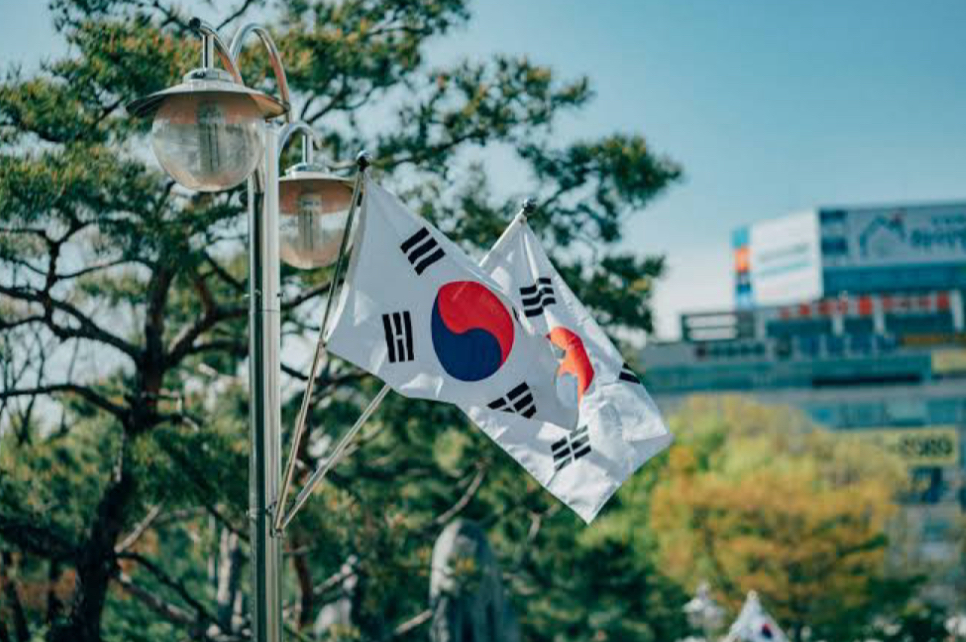
South Koreans are heading to the polls today in a historic early presidential election, following the impeachment and removal of President Yoon Suk Yeol earlier this year. The election, originally scheduled for 2027, was moved up as required by the South Korean constitution, which mandates a new presidential vote within 60 days of an incumbent’s removal from office.
President Yoon, who took office in May 2022, was impeached by the National Assembly in March 2025 over allegations of abuse of power, corruption, and failure to uphold constitutional duties. The Constitutional Court upheld the impeachment, making him only the second president in the nation’s democratic history to be removed from office, the first being Park Geun-hye in 2017.
The early election has drawn widespread attention both domestically and internationally, with significant implications for the region’s geopolitical balance, especially in relation to North Korea, China, and the United States. Voter turnout is expected to be high, reflecting the public’s desire for political stability and transparent leadership after months of political turbulence.
Several candidates are vying for the presidency, including Lee Jae-myung of the Democratic Party, who narrowly lost to Yoon in the last election, and Yoo Seong-min, a conservative reformist and former finance minister running as an independent. The campaign has focused heavily on restoring public trust, addressing the slowing economy, managing South Korea’s complex foreign relations, and tackling youth unemployment and housing affordability.
The South Korean Election Commission has assured citizens of a free, fair, and secure election process. Ballots will be cast throughout the day at over 14,000 polling stations nationwide, with preliminary results expected late tonight and official confirmation likely by the end of the week.
This election is being watched closely across Asia and by global markets, as South Korea remains a key player in technology, trade, and regional security. Whoever wins will inherit a deeply divided electorate and the challenging task of rebuilding confidence in the presidency and national institutions.
Nigeria Pursues $25 Billion Investment for Ambitious Undersea Gas Pipeline to Europe
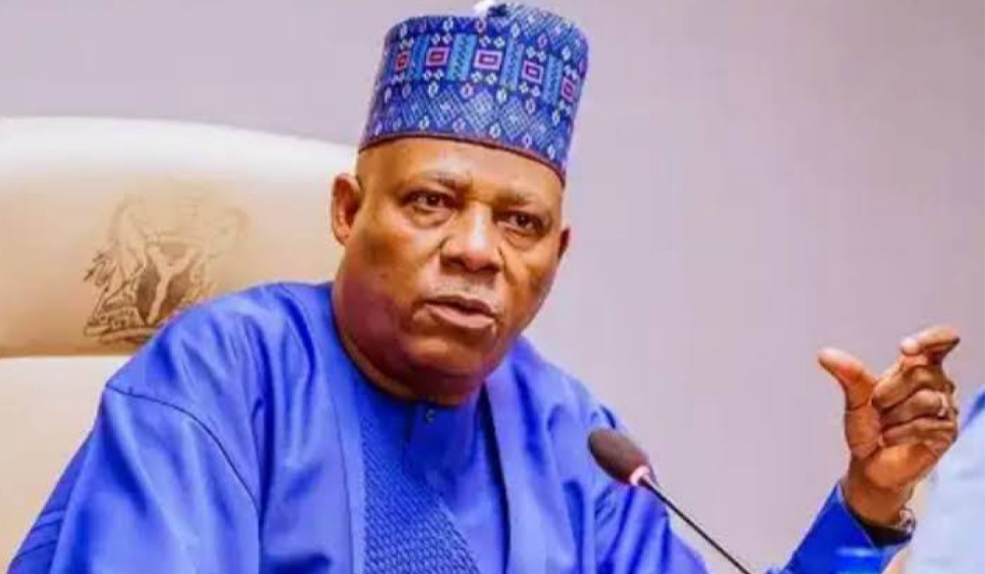
The Federal Government of Nigeria has reaffirmed its commitment to securing a massive $25 billion investment for the development of a transcontinental undersea gas pipeline, a strategic infrastructure project aimed at exporting natural gas from Nigeria to Europe. The announcement was made by Vice President Kashim Shettima during an international energy forum held in Abuja earlier this week.
The proposed pipeline, which would span several thousand kilometers beneath the Atlantic Ocean, is part of a broader push by Nigeria to become a dominant player in the global energy market, especially amid Europe’s ongoing efforts to diversify its energy sources in the wake of the Russia-Ukraine conflict. With many European countries seeking alternatives to Russian gas, Nigeria’s vast natural gas reserves, the largest in Africa and the seventh-largest globally present a viable long-term solution.
Vice President Shettima emphasized that the pipeline is not only a commercial venture but a strategic geopolitical move that would strengthen Nigeria’s role as a reliable energy partner. “This project represents a historic opportunity to enhance our global trade footprint, attract foreign direct investment, and position Nigeria as a key contributor to global energy security,” he said.
The undersea pipeline project is expected to be developed in partnership with several international stakeholders, including European energy firms, multilateral development banks, and regional infrastructure investors. Preliminary feasibility studies and environmental impact assessments have already been initiated, with early-stage diplomatic engagements ongoing between Nigeria, Morocco (through whose territory a segment of the pipeline is expected to pass), and key European Union nations.
Once completed, the pipeline will be capable of transporting billions of cubic meters of natural gas annually from Nigeria’s southern gas fields through West Africa and across the Mediterranean to southern Europe. It is also anticipated to boost job creation, promote local content development, and stimulate regional integration along the pipeline route.
Industry experts have hailed the initiative as a potential game-changer for Nigeria’s economy. However, some analysts have expressed caution over the financing and security challenges that could affect its execution, particularly given the volatile security environment in parts of the Niger Delta and West African sub-region.
Nevertheless, the Nigerian government remains optimistic. “We are determined to transform Nigeria’s gas wealth into tangible economic benefits and position our country as a global hub for energy innovation and trade,” Vice President Shettima concluded.
The project aligns with Nigeria’s ‘Decade of Gas’ initiative, launched in 2021, which aims to transition the country from an oil-dependent economy to one driven by cleaner, more sustainable energy sources.
Paris Celebrations Turn Violent After PSG’s Champions League Victory
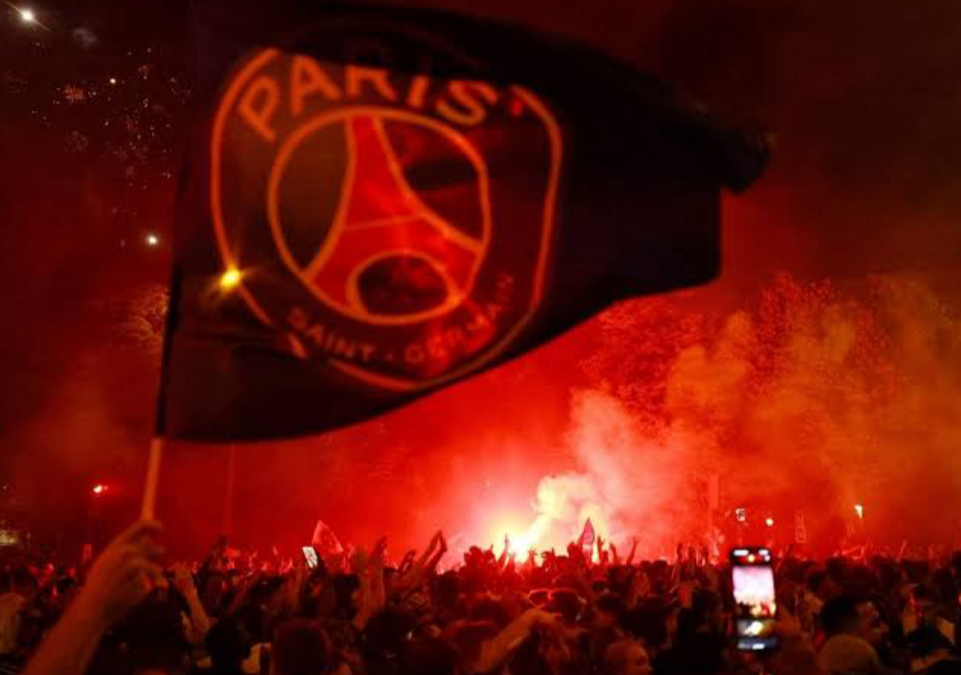
What began as jubilant celebrations in the French capital following Paris Saint-Germain’s historic UEFA Champions League victory quickly descended into chaos late Monday night, resulting in tragic violence, numerous injuries, and widespread unrest.
Thousands of PSG fans flooded the streets of central Paris and the iconic Champs-Élysées after the club secured its long-awaited first Champions League title in a dramatic 3-2 win over Manchester City in Istanbul. However, as the celebrations carried into the night, pockets of the crowd became increasingly unruly, and clashes erupted between revelers, police, and groups of opportunistic vandals.
Authorities have confirmed that at least two people were killed, though the circumstances surrounding their deaths are still under investigation. One fatality reportedly occurred near the Gare du Nord train station, while the second was linked to a stabbing incident in the 18th arrondissement. Over 190 individuals were injured, including both civilians and law enforcement officers. Several were hospitalized with serious injuries caused by trampling, projectiles, and altercations.
Police reported making more than 500 arrests overnight as they attempted to control riots that included vandalism, arson, looting, and attacks on public infrastructure. Dozens of vehicles were set ablaze, store windows smashed, and trash bins overturned across multiple districts.
The Paris Police Prefecture deployed thousands of officers to major gathering points in anticipation of large crowds, but the situation quickly spiraled beyond control. Tear gas and water cannons were used in attempts to disperse aggressive crowds around Place de la Concorde and the Arc de Triomphe. Social media videos showed scenes of mayhem, with fireworks being launched into the air and at police lines.
Paris Mayor Anne Hidalgo condemned the violence, calling it “a shameful stain on a night that should have been filled with pride and unity.” In a statement released early Tuesday, she urged citizens to celebrate peacefully and respect the city they call home. French President Emmanuel Macron also expressed his condolences to the families of the deceased and praised law enforcement for their swift response under difficult circumstances.
Paris Saint-Germain issued a statement shortly after the unrest, celebrating the team’s historic win but also expressing “deep regret” over the violent aftermath. “This triumph should be a symbol of Parisian pride and harmony,” the club said. “We call on our supporters to honor this victory with dignity and love for our city.”
The violence has sparked calls for a reassessment of public safety measures during major sporting events. Analysts say the combination of post-pandemic tensions, high youth unemployment, and long-standing issues between urban communities and law enforcement may have contributed to the volatility of the night.
Authorities have launched an official investigation into the night’s events, and security is expected to be significantly heightened ahead of the team’s homecoming parade later this week.