Global Partnerships, Local Impact: Building a Resilient Future Through Grassroots Action and Strategic Investment
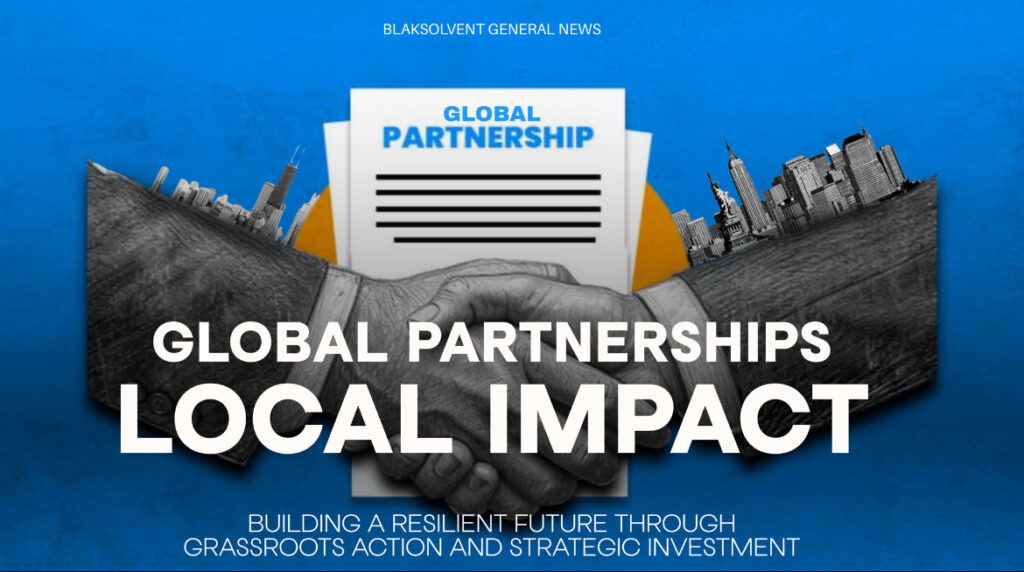
As global challenges grow more complex and interconnected, the stories emerging from today’s headlines offer a powerful reminder of the vital role international partnerships play in shaping a more resilient and inclusive world. From Myanmar to Côte d’Ivoire, and across ecosystems supported by EOCA, the convergence of grassroots leadership, institutional support, and visionary planning is not only bridging divides — it’s rewriting what sustainable development looks like.
In Myanmar, Australia’s Direct Aid Program reaffirms the enduring importance of local empowerment in fragile states. The call for expressions of interest isn’t merely an administrative exercise; it’s a lifeline for community actors striving to build pockets of stability in the midst of disruption.
Meanwhile, the European Outdoor Conservation Association’s global funding initiative elevates the voice of the planet itself. By financing science-backed, community-led environmental projects, EOCA is mobilizing the outdoor industry as a force for restoration — proving that conservation isn’t just a moral imperative, but an achievable collective goal.
And in West Africa, the Belgian Deputy Prime Minister’s visit to the €693 million Abidjan Metro project is a testament to the power of infrastructure to drive inclusive growth. The metro line is more than steel and rails — it’s a signal that African cities can be hubs of innovation, sustainability, and human mobility when global cooperation meets local vision.
Together, these stories speak to a world that is actively — and urgently — reimagining its future. Whether it’s through microgrants in rural villages, conservation in fragile ecosystems, or metro lines through megacities, the common thread is clear: transformation happens at every level, and it demands courage, collaboration, and sustained investment.
Australia Opens Grant Window for Grassroots Projects in Myanmar Under Direct Aid Program
The Australian Embassy in Yangon has officially launched a Call for Expressions of Interest for its 2025 Direct Aid Program (DAP), inviting community-based organizations, NGOs, and grassroots groups in Myanmar to submit proposals aimed at delivering practical and impactful development initiatives.
The Direct Aid Program is a small grants initiative funded by the Australian Government, designed to support projects that promote sustainable community development and directly improve the living standards of disadvantaged communities. The program aligns with Australia’s broader development cooperation strategy in Southeast Asia and has played a vital role in supporting civil society in Myanmar, especially during the country’s ongoing political and humanitarian challenges.
According to the Embassy’s announcement released today, applications are open from June 3 to July 1, 2025, with a focus on initiatives that address urgent local needs, including:
- Community health and sanitation
- Education and skills training
- Women’s empowerment and gender equality
- Environmental protection and climate resilience
- Disability inclusion and services
- Livelihood support and income generation
Eligibility and Requirements
The Embassy emphasized that only non-profit, community-based organizations and local NGOs are eligible to apply. All project proposals must be locally driven, cost-effective, and deliver measurable results within a 12-month implementation period. Priority will be given to projects that demonstrate strong community involvement and sustainability beyond the funding period.
The funding amount for each project typically ranges from AUD $10,000 to $60,000, depending on the scale, scope, and impact of the proposal. Projects involving infrastructure must include a long-term maintenance plan and community ownership component.
Application Process
Interested applicants are required to submit an Expression of Interest (EOI) through the online portal provided on the Australian Embassy’s official website. Shortlisted applicants will then be invited to submit a more detailed proposal, including a full budget, implementation plan, and monitoring strategy.
The Embassy also advised applicants to ensure alignment with ethical standards, transparency, and the inclusion of marginalized and vulnerable populations in all project designs.
Aiding Grassroots Resilience Amid Crisis
This funding window comes at a critical time for Myanmar, where the ongoing political unrest, economic instability, and humanitarian crises have severely affected access to essential services. The Direct Aid Program aims to bridge some of those gaps by empowering local actors who are best placed to understand and address their communities’ needs.
In previous years, DAP funding has supported the construction of clean water systems, vocational training for displaced women, education for children with disabilities, and environmental restoration in conflict-affected areas.
For community groups operating in fragile and remote regions, the program offers not just financial support, but international recognition and validation of their grassroots efforts.
Key Dates to Remember:
- EOI Submission Opens: June 3, 2025
- EOI Deadline: July 1, 2025
- Shortlisted Applicants Notified: Mid-July 2025
- Full Proposals Due (by invitation): August 2025
Organizations interested in applying are encouraged to visit the Australian Embassy’s official site for detailed guidelines, eligibility criteria, and a step-by-step application guide.
For press and media inquiries related to this grant call, contact:
Australian Embassy Yangon – Public Affairs Section
Email: dap.ygn@dfat.gov.au
European Outdoor Conservation Association Opens 2025 Grant Call for Global Environmental Projects
The European Outdoor Conservation Association (EOCA) has launched its highly anticipated 2025 Conservation Project Funding Program, calling on nonprofit organizations and grassroots conservation groups from around the world to submit proposals for initiatives focused on protecting biodiversity and restoring nature.
Officially opened on June 3, 2025, the call invites expressions of interest for funding that supports practical, hands-on conservation projects with measurable environmental and community benefits. EOCA is particularly seeking innovative proposals that tackle the world’s most pressing conservation challenges, from endangered species recovery to climate resilience and habitat restoration.
Each year, EOCA — a non-profit initiative made up of outdoor industry businesses and stakeholders — allocates funds generated through membership contributions and fundraising campaigns to support impactful conservation work across the globe. Since its inception, EOCA has helped implement over 150 projects in more than 60 countries, ranging from mountain ecosystems to marine environments.
What EOCA is Looking For in 2025
The 2025 funding round centers on EOCA’s commitment to the UN Decade on Ecosystem Restoration and its core focus areas:
- Biodiversity conservation, especially threatened or endangered species
- Ecosystem restoration, including forests, wetlands, coastlines, and mountains
- Climate action and resilience, such as nature-based solutions to climate threats
- Community-based conservation, where local populations play a key role in sustainability
- Outdoor sector engagement, encouraging environmental stewardship through recreation
Proposals must show clear, quantifiable impacts and demonstrate how the project will continue beyond EOCA’s funding. In addition, projects must support sustainable tourism or responsible outdoor activity, aligning with EOCA’s mission of linking outdoor recreation with conservation.
Eligibility and Grant Size
Applications are open to non-profit organizations and charities operating anywhere in the world. EOCA will award funding of up to €30,000 per project, and proposals must include detailed goals, outcomes, timelines, and community engagement strategies.
Projects in areas threatened by over-tourism or climate disruption are especially encouraged. EOCA is also interested in proposals that include education, local training, and job creation in conservation fields.
Key Application Timeline:
- Applications Open: June 3, 2025
- Deadline to Apply: June 30, 2025 (Midnight, BST)
- Shortlisted Projects Announced: September 2025
- Public Voting Begins: September 2025
- Final Recipients Announced: October 2025
Following a rigorous selection process, shortlisted projects will undergo a public voting round, where EOCA members and the general public will have the chance to vote for their preferred initiatives. The final decision will be based on a combination of public votes and expert panel reviews.
How to Apply
Eligible organizations can submit their applications through EOCA’s official website: www.outdoorconservation.eu. The site also provides a full list of funding criteria, application guidelines, and examples of previously funded projects.
Driving Conservation Through Outdoor Industry Collaboration
EOCA’s unique model of conservation funding is powered by the outdoor industry. Member companies — which include gear brands, travel companies, and eco-conscious manufacturers — contribute financially and raise awareness of the importance of environmental preservation.
“We believe the outdoor industry has a responsibility and opportunity to lead on conservation,” said Catherine Savidge, General Manager of EOCA. “By funding grassroots, science-backed, and community-supported conservation efforts, we’re investing in the future of both people and the planet.”
For media inquiries and partnership opportunities, contact:
EOCA Communications Team
Email: info@outdoorconservation.eu
Belgian Deputy Prime Minister Visits €693M Urban Transport Project in Abidjan During AfDB Annual Meetings
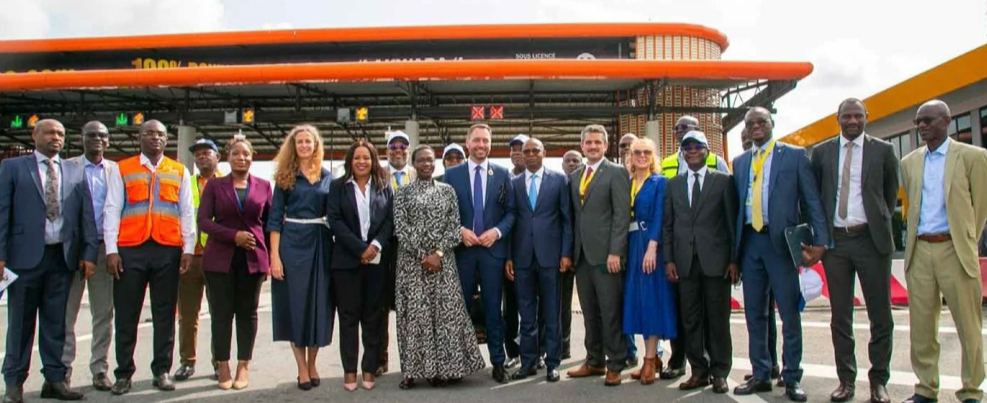
In a symbolic show of European-African development cooperation, Belgian Deputy Prime Minister and Minister of Mobility Georges Gilkinet toured the ongoing €693 million Abidjan urban transport project on Monday, during the sidelines of the 2025 Annual Meetings of the African Development Bank (AfDB) in Abidjan, Côte d’Ivoire.
The large-scale infrastructure project, which aims to revolutionize public transportation in the bustling West African metropolis, is being co-financed by multiple international partners, including the African Development Bank, European Investment Bank, and the Kingdom of Belgium. It stands as one of the most ambitious urban mobility investments in Francophone Africa.
During the site visit, Deputy Prime Minister Gilkinet was joined by senior AfDB officials, Ivorian government representatives, and international development partners. The inspection focused on progress made in the development of Line 1 of the Abidjan Metro, a project expected to ease congestion, reduce commute times, and cut urban emissions in a city with over 5 million residents.
A Transformational Investment in Urban Mobility
The Abidjan Metro project involves the construction of a 37.5-kilometer mass transit railway line, connecting key zones of the city—from Anyama in the north to Port-Bouët near the airport. Once completed, the fully electric metro system is expected to transport more than 500,000 passengers per day, drastically improving mobility for workers, students, and residents.
“This is more than just a railway project — it’s a catalyst for green mobility, social inclusion, and economic integration,” said Minister Gilkinet. “Belgium is proud to contribute to a project that aligns with both climate priorities and Africa’s urban transformation goals.”
The metro system will be equipped with modern rolling stock, automated ticketing, and climate-friendly technology to support sustainable urban development.
AfDB and Partners Emphasize Green, Inclusive Infrastructure
The African Development Bank has positioned sustainable transport as a strategic priority under its High 5s agenda, particularly “Improve the quality of life for the people of Africa.” The Abidjan Metro project reflects this goal by offering affordable, efficient, and environmentally friendly transportation.
Dr. Akinwumi Adesina, President of the AfDB, praised the project’s potential during a joint briefing: “This metro will not only reduce travel time but also create thousands of jobs and improve air quality. It’s a model for future African cities.”
The financing model of the project includes a blend of public-private partnerships, concessional loans, and sovereign support, demonstrating the power of multilateral collaboration in delivering large-scale infrastructure.
Social and Economic Impact
Construction of the metro line is already generating hundreds of local jobs, with additional long-term employment expected in operations, maintenance, and support services. The project also incorporates gender-inclusive planning, ensuring safe access for women, the elderly, and people with disabilities.
To minimize displacement, the project includes a resettlement and compensation framework for affected households and small businesses, with an emphasis on community engagement and local ownership.
Looking Ahead
With civil works well underway and rolling stock procurement initiated, the Abidjan Metro is on track for partial operation by late 2026, with full commissioning expected in 2027. The tour by Belgium’s Deputy Prime Minister signals ongoing European interest in urban mobility partnerships in Africa.