GENERAL NEWS 2ND SEPTEMBER 2025
A Shifting Balance of Power
The global stage is witnessing a quiet but undeniable transformation. Russia and China are deepening their ties, signaling a counterweight to Western influence. North Korea’s high-profile presence in China underscores this emerging alignment, hinting at strategic calculations that reach beyond economics into security. Meanwhile, the Ukraine conflict continues to test international diplomacy, exposing fractures in global alliances and forcing nations to choose sides. Taken together, these stories paint a portrait of a multipolar world in flux, where power is no longer concentrated but contested, negotiated, and constantly shifting. The challenge for policymakers lies not only in responding to immediate crises but also in navigating the long-term recalibration
Russia and China Cement Strategic Partnership Amid Rising Global Tensions
BY BLAKSOLVENT
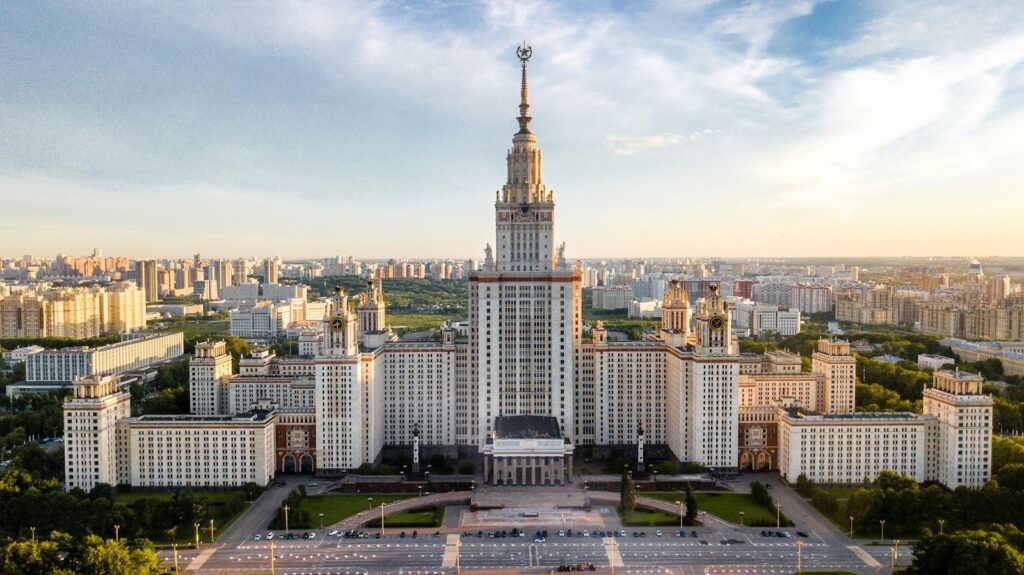
Russia and China’s growing alignment is no longer a quiet undercurrent in geopolitics; it is an overt partnership shaping the global balance of power. What began as cautious cooperation has evolved into a multifaceted relationship encompassing energy, trade, defense, and diplomacy. Against the backdrop of Western sanctions on Russia and the U.S.-China rivalry, Moscow and Beijing have found common ground in countering what they describe as Western hegemony.
The partnership gained momentum in recent years as Moscow sought reliable markets for its energy exports following its isolation from Europe. China, hungry for stable energy supplies, stepped in as a lifeline, securing discounted oil and gas deals. This trade exchange has not only cushioned Russia’s sanctions-induced economic shocks but also deepened Beijing’s influence over its northern neighbor. In parallel, military cooperation has intensified, with joint drills in the Pacific and technology-sharing arrangements signaling mutual trust and shared security concerns.
Diplomatically, both nations have been keen to present themselves as leaders of a multipolar world. They reject Western interventionism, advocate sovereignty, and promote institutions like the Shanghai Cooperation Organization as alternatives to Western-led alliances. This positioning appeals to a wide range of countries in Asia, Africa, and Latin America, who see opportunities in aligning with power centers beyond Washington and Brussels.
Yet, the relationship is not without its complexities. Russia remains wary of becoming too dependent on China, fearing an imbalance where Moscow is reduced to a junior partner. China, on the other hand, is careful not to openly breach Western sanctions to avoid jeopardizing its economic interests. What unites them is less an identical vision of the future than a shared opposition to Western dominance.
The Russia-China embrace is not just a regional development, it is a global recalibration. As Washington strengthens its ties with Europe, Japan, and South Korea, Moscow and Beijing are solidifying their own bloc. The future of international order may well hinge on how these two powers leverage their partnership in the years ahead.
Kim Jong-un’s China Visit Signals North Korea’s Role in Emerging Asian Bloc
BY BLAKSOLVENT
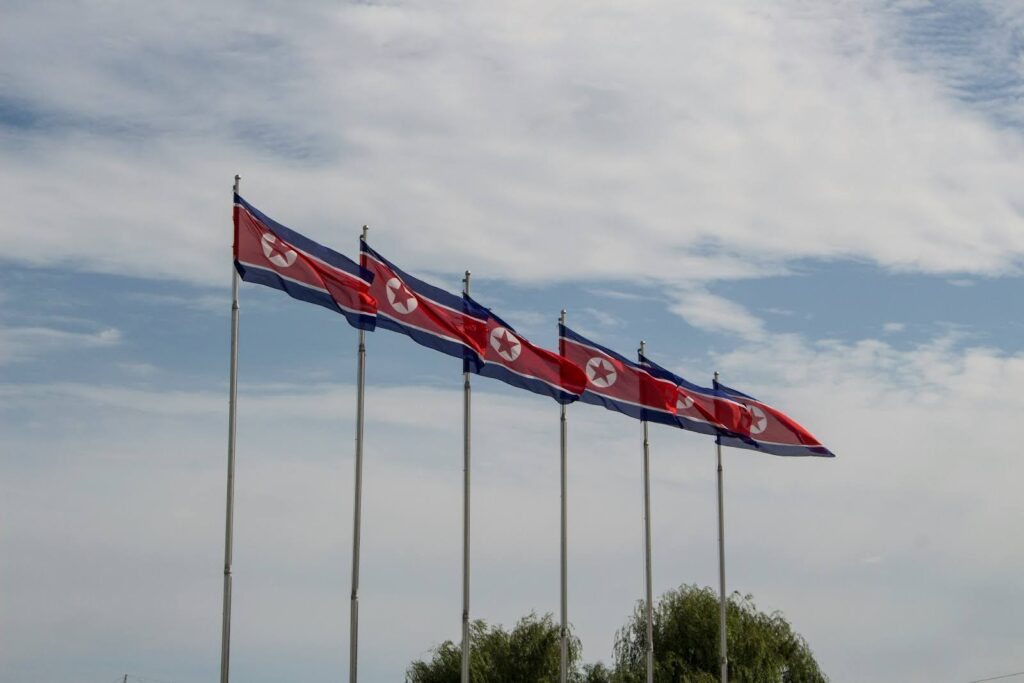
North Korean leader Kim Jong-un’s visit to China has sparked fresh interest in Pyongyang’s role in the shifting balance of power in Asia. At first glance, the visit may appear ceremonial, a gesture of longstanding friendship between two nations with shared communist legacies. Yet, beneath the optics lies a web of strategic calculations.
China remains North Korea’s most important ally, accounting for the majority of its trade and serving as its economic lifeline amid international sanctions. Kim’s arrival in Beijing comes at a time when the global order is reshaping, and North Korea sees an opportunity to amplify its relevance. By positioning itself closer to China, and by extension Russia, Pyongyang aims to carve out space in international diplomacy that has long been denied to it.
Discussions during the visit reportedly touched on economic aid, infrastructure support, and coordination on regional security issues. But the symbolism may be even more important than the specifics. In standing beside Beijing, Kim signals his alignment with an emerging bloc that challenges U.S. dominance in Asia. This message reverberates beyond the Korean Peninsula: to Washington, Tokyo, and Seoul, it is a reminder that isolating North Korea through sanctions alone may not be enough.
The visit also underscores the triangular dynamics between Russia, China, and North Korea. In recent months, Pyongyang has been accused of supplying Russia with artillery shells for its war in Ukraine, deepening speculation about a new axis of convenience. China’s hosting of Kim could be read as both an endorsement of his role in this alignment and a way for Beijing to retain control over North Korea’s international behavior.
For China, the benefits are clear. Hosting Kim reaffirms its status as North Korea’s primary benefactor and gatekeeper. It also signals to Washington that Beijing retains influence over one of the world’s most unpredictable regimes, a card it can play in negotiations.
North Korea’s role in global affairs has long been defined by isolation, nuclear brinkmanship, and economic fragility. Yet, in an era where global power is fracturing into competing blocs, Kim’s Beijing visit shows how even the most marginalized state can leverage shifting dynamics to secure attention, protection, and relevance.
The Ukraine War Redefines Global Order as Conflict Enters Prolonged Phase
BY BLAKSOLVENT
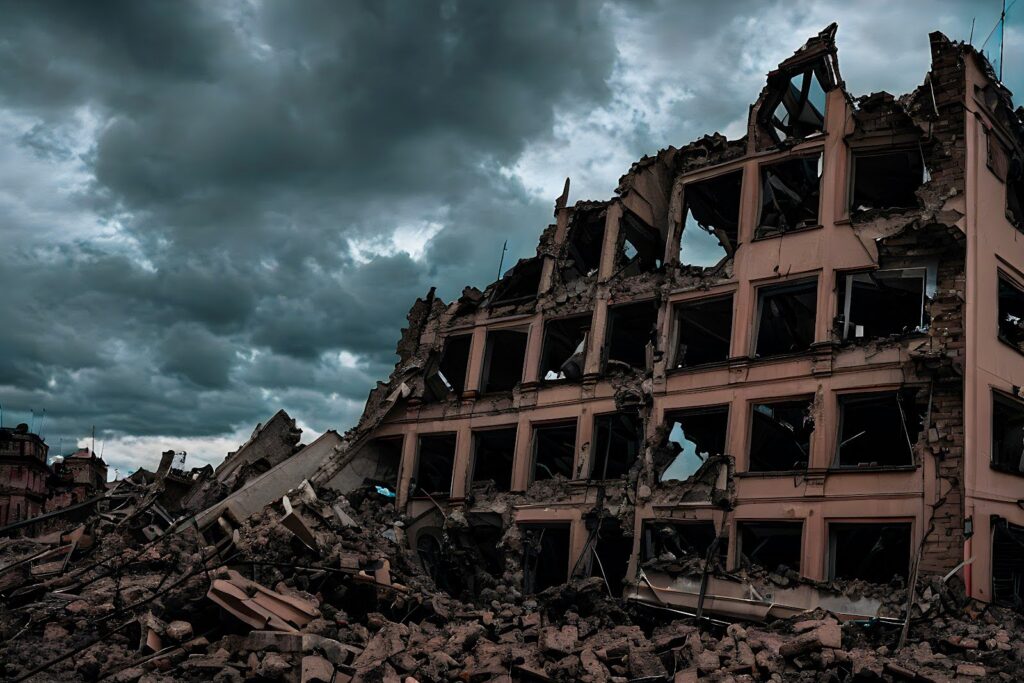
The Ukraine war, now dragging into another year, has become more than a regional conflict, it is the central test of 21st-century global politics. What began as a military invasion has morphed into a grinding war of attrition, reshaping economies, alliances, and ideologies across continents.
On the battlefield, Ukraine continues to resist Russian advances with a combination of Western military aid and national resilience. The war has destroyed infrastructure, displaced millions, and left a scar on Europe’s collective psyche. Yet, it is the geopolitical ripple effects that tell the larger story. NATO, once criticized as obsolete, has been revitalized, expanding its membership and reasserting its role as a cornerstone of European security. Russia, far from being deterred, has doubled down on its offensive, drawing closer to China and other non-Western partners.
The economic consequences have been equally profound. Energy markets were upended as Europe weaned itself off Russian gas, spurring a global shift toward diversification and renewables. Food insecurity has worsened in parts of Africa and the Middle East, dependent on Ukrainian and Russian grain. Sanctions have cut Russia off from much of the global financial system, but they have also spurred new payment networks and trading arrangements that bypass the U.S. dollar.
Diplomatically, the Ukraine conflict has laid bare the fault lines of a multipolar world. While Western nations remain united in support of Kyiv, countries in Asia, Africa, and Latin America have adopted more cautious stances, unwilling to be drawn into what they see as a Western-centric conflict. This neutrality reflects not just pragmatism but also a broader skepticism of Western leadership.
The war has also transformed Russia domestically. Under President Putin, the country has shifted further toward authoritarianism, tightening control over media, dissent, and the economy. Ukraine, meanwhile, has become a symbol of democratic resistance, rallying global support even as its survival remains uncertain.
What lies ahead is unclear. Peace talks remain elusive, and both sides show little willingness to compromise. But one reality is undeniable: the Ukraine war has already reshaped the international order. It has forced nations to reconsider their alliances, rethink their security strategies, and adapt to an unpredictable world where conflict in one region reverberates globally.