In the Strength of Each Other
Across borders and time zones, in moments of crisis or calm, people continue to show that unity begins at the ground level—through compassion, shared effort, and everyday acts of kindness. Whether it’s communities rebuilding after conflict, neighbors supporting humanitarian causes, or countries finding common ground in unlikely places, progress is rarely made alone.
Institutions may falter and headlines may grow heavy, but beneath it all are millions choosing empathy over division, solutions over silence. It’s in these quiet choices—of reaching out, of rebuilding, of listening—that something steady takes root.
In a world constantly shifting, it’s the human connection that holds fast.
UK and EU Launch Coordinated Sanctions Blitz on Russia After Putin’s Call with Trump Sparks Outcry
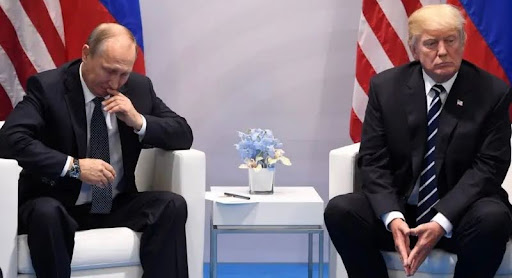
LONDON / BRUSSELS — The United Kingdom and European Union have jointly imposed a powerful new round of sanctions on Russia, following a high-profile phone call between Russian President Vladimir Putin and former U.S. President Donald Trump. The move marks a significant escalation in Western efforts to counter what officials described as “Russia’s ongoing destabilization activities and interference in democratic institutions.”
The newly announced sanctions target critical sectors of the Russian economy, including oil and gas exports, banking, defense manufacturing, and advanced technology systems. Additionally, over 100 individuals and entities—ranging from Kremlin officials to oligarch-owned corporations—have been added to blacklists that freeze assets and ban international transactions.
Tensions Reignite Over Putin-Trump Engagement
Western intelligence officials have raised alarms over the tone and implications of the recent Putin-Trump phone call, which reportedly covered topics including NATO policy, the war in Ukraine, and U.S. election dynamics. The call has not been officially disclosed in full, but leaks suggest a friendly exchange that critics fear could embolden Moscow.
UK Foreign Secretary Emily Howard described the sanctions as “a firm and necessary response to an increasingly hostile regime that continues to exploit political instability and challenge the rules-based international order.”
The EU’s High Representative for Foreign Affairs, Josep Borrell, said in a joint press conference that the sanctions package “sends a clear signal that the Kremlin’s attempts to manipulate and divide the West will not go unanswered.”
Key Targets and Economic Impact
Among the notable targets are Gazprombank, several subsidiaries of Rosneft, leading drone and missile manufacturers, and Russian tech firms linked to military-grade AI development. The sanctions also ban the export of sensitive components and software, including quantum computing tools, surveillance technology, and industrial microchips.
Flights from Russian carriers will face tighter restrictions in European airspace, and fresh measures will limit investment in Russia’s state-backed sovereign wealth funds.
Moscow Responds with Defiance
The Kremlin swiftly condemned the sanctions as “illegal and provocative,” promising reciprocal measures against Western businesses operating in Russia. Russian Foreign Ministry spokeswoman Maria Zakharova called the sanctions “a coordinated information attack backed by transatlantic fearmongering.”
Meanwhile, pro-Kremlin media have framed the Putin-Trump call as a symbol of thawing East-West dialogue, playing down Western outrage.
Implications for Trump and the 2024 Aftermath
Though Trump is no longer in office, his foreign policy posture continues to influence geopolitical dynamics. His direct line to Putin has fueled speculation among European allies about the potential U.S. trajectory in the event of a Trump political comeback.
NATO Secretary General Jens Stoltenberg has urged member states to remain united, stating that “strategic clarity and coordinated deterrence are more critical than ever.”
Conclusion
As tensions rise across diplomatic and economic fronts, the sanctions highlight a deepening divide between Russia and the West. The UK and EU’s joint action marks a pivotal moment in the post-Ukraine-war landscape, signaling a renewed push to isolate the Kremlin and curb its influence—no matter who is on the other end of the line.
UN Faces Deepening Financial Crisis as It Slashes Spending, Halts Hiring, and Reduces Global Operations
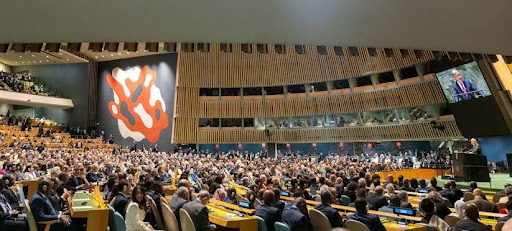
NEW YORK CITY — The United Nations is grappling with one of the most severe financial crises in its history, prompting a sweeping series of austerity measures that include a hiring freeze, deep budget cuts, and the scaling back of critical programs and services across the globe.
UN Secretary-General António Guterres announced the emergency measures in a memo to staff and member states this week, warning that the organization is “operating under extreme fiscal pressure” due to delayed member contributions, rising global costs, and a surge in humanitarian demands.
Drastic Measures Amid Budget Shortfall
Effective immediately, the UN will:
- Freeze recruitment and non-essential hiring across all departments and agencies.
- Slash operational spending, especially for travel, conferences, and in-house initiatives.
- Postpone or reduce field programs, including humanitarian aid, peacekeeping logistics, and development goals.
- Limit internal services, including staff training, office maintenance, and technological upgrades.
These decisions are expected to affect every part of the UN system, from the World Food Programme and UNICEF to the Department of Peace Operations.
“Without urgent financial relief, the UN will be forced to suspend or cancel core activities in multiple regions,” Guterres said. “Our capacity to respond to crises—from conflict zones to climate disasters—is being severely compromised.”
Causes: Unpaid Dues and Rising Costs
The financial strain has been building over the past two years, with major member states falling behind on their financial obligations. As of May 2025, over one-third of the UN’s annual budget remains unpaid. At the same time, inflation, armed conflict, and expanding climate emergencies have placed greater demand on UN services worldwide.
While Guterres did not publicly name countries with the most significant arrears, internal reports point to large shortfalls from several major economies, intensifying calls for greater accountability and commitment to multilateralism.
Staff and Field Impact
UN staff unions have expressed concern over the sudden austerity measures, saying they jeopardize not only the welfare of workers but also the organization’s ability to maintain global peace and development mandates.
Operations in Africa, the Middle East, and Southeast Asia—where many UN missions are ongoing—will feel the immediate effects. Some peacekeeping bases and refugee centers have already begun scaling down activities or reducing staff hours.
“We are being asked to do more with less,” said one senior UN official anonymously. “But at some point, the system starts to break.”
Diplomatic Reactions and Next Steps
In response to the announcement, several member states have called emergency meetings to address the funding gap. The European Union, Canada, and Japan have urged for reforms in UN budgeting and greater transparency, while also pushing wealthier nations to fulfill their financial commitments.
There is growing speculation that Guterres may convene a global funding summit in the coming months to rally support and explore alternative financing models, including private sector partnerships and pooled humanitarian trust funds.
Conclusion
The deepening financial crisis at the United Nations comes at a time when global cooperation is more vital than ever—from managing conflicts and pandemics to meeting climate targets and disaster relief. With its operations now in retreat and morale at risk, the future of the world’s largest international body hangs in the balance—unless urgent action is taken.
UK, France, and Canada Threaten Sanctions as Pressure Mounts on Israel Over Gaza Offensive
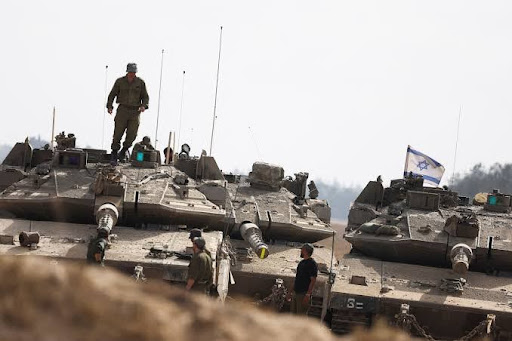
LONDON / PARIS / OTTAWA — The governments of the United Kingdom, France, and Canada have issued a joint warning to Israel, signaling that economic sanctions could be imposed if its military campaign in Gaza continues without restraint and fails to comply with international humanitarian law.
In a rare coordinated diplomatic move, the three Western allies expressed growing alarm over what they described as “disproportionate use of force” and “worsening humanitarian conditions” in the besieged Palestinian territory. The warning marks a sharp shift in tone from nations traditionally considered strong backers of Israel on the global stage.
Mounting Civilian Toll Sparks Diplomatic Alarm
According to recent UN reports, Israeli military operations in Gaza have resulted in significant civilian casualties, with hundreds of women and children among the dead. Infrastructure—including hospitals, schools, and aid centers—has also been damaged or destroyed, triggering fresh accusations of war crimes and violations of the Geneva Conventions.
“We are deeply concerned by the scale of destruction and human suffering in Gaza,” read a joint statement released Monday by the foreign ministries of the three countries. “If Israel does not take immediate steps to allow for humanitarian access and de-escalate hostilities, we will be forced to consider targeted sanctions.”
Targeted Measures Under Discussion
While specific sanctions have not yet been enacted, officials confirm that proposals under consideration include:
- Freezing arms exports and military technology transfers to Israel.
- Travel bans and asset freezes on Israeli military and political leaders.
- Suspension of trade preferences or defense cooperation agreements.
- Coordinated diplomatic pressure at the UN and other multilateral bodies.
The measures would be designed to pressure Israeli leadership without imposing broad economic penalties that could harm civilians or destabilize the region further.
Israel Rejects Accusations
The Israeli government responded swiftly, calling the warnings “one-sided” and “morally indefensible.” Israeli Prime Minister Benjamin Netanyahu defended the military campaign as a necessary response to Hamas rocket attacks and hostage-taking, claiming that all operations are targeted and in line with international law.
“No democratic country would tolerate thousands of rockets fired at its cities or tunnels used to launch terrorist attacks,” said Netanyahu in a televised address. “We will continue our operations until Hamas’s military infrastructure is dismantled.”
Shifting Global Alliances
The warning from three G7 powers underscores a growing divide between Western democracies over how to address the ongoing Israel-Palestine conflict. While the United States has maintained strong support for Israel, European and Canadian leaders are facing mounting public and parliamentary pressure to hold Israel accountable for civilian harm and alleged war crimes.
Protests in London, Paris, Montreal, and other cities have intensified in recent weeks, with activists demanding an immediate ceasefire and stronger international intervention.
What’s Next
The UN Security Council is expected to convene an emergency session this week to debate the worsening situation in Gaza, with calls for a new resolution urging a ceasefire and access for humanitarian aid. Meanwhile, diplomatic talks are ongoing between EU and Arab League members to coordinate peace-building measures and push for a long-term solution.
As the conflict drags on, the international community faces a pivotal moment: whether to act decisively or risk deeper instability in the Middle East and further erosion of global norms around the laws of war.