Reflections from a World in Flux
In a single week, three stories from different corners of the globe have illuminated the fragile intersections of leadership, legacy, and cultural identity. King Charles’ personal message to former U.S. President Joe Biden offered a glimpse of humanity behind the formality of statesmanship — a royal gesture that transcended borders in the face of illness. At the global health stage, the adoption of the WHO’s Pandemic Agreement signaled a collective determination to do better, to never repeat the chaos and inequity of the COVID era. And in New Zealand, the passionate haka of Māori MPs inside Parliament reminded the world that cultural heritage is not a side note in policy — it is the heartbeat of identity and resistance.
Together, these stories speak to a deeper truth: in times of crisis or change, it is empathy, cooperation, and the courage to stand firm in one’s roots that define how nations — and individuals — move forward. Whether whispered in a letter, signed into law, or shouted through ancestral chant, each voice matters. Each moment leaves its mark.
King Charles Extends Warm Wishes to Former President Biden Following Aggressive Prostate Cancer Diagnosis
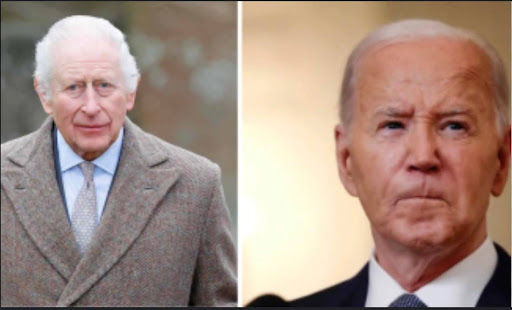
London / Washington D.C. — May 20, 2025 — In a heartfelt gesture of support, King Charles III has sent a personal message to former U.S. President Joe Biden after the announcement that Biden is facing an aggressive form of prostate cancer. The monarch’s message underscores a deep sense of empathy and solidarity during this challenging time for the American statesman and his family.
The news of President Biden’s diagnosis was made public earlier this week, drawing an outpouring of concern and well-wishes from leaders and citizens worldwide. Known for his resilience and long-standing dedication to public service, Biden now faces a new and difficult chapter in his life.
A Message of Strength and Support
In his message, King Charles expressed his sincere hope for President Biden’s successful treatment and swift recovery. “My thoughts and prayers are with President Biden and his family during this difficult journey. May he find strength and courage in the days ahead,” the King wrote, highlighting the personal nature of the note beyond diplomatic protocol.
The communication reflects the longstanding friendship and mutual respect between the British monarchy and the former U.S. president. Sources close to both leaders describe the exchange as a meaningful reminder of the personal bonds that transcend official roles.
Public and Political Reactions
Following the announcement, tributes and messages of support poured in from across the political spectrum in the United States and internationally. Current President and First Lady also publicly expressed their solidarity with Biden and his family.
Health experts emphasize that while aggressive prostate cancer requires intensive treatment, advances in medical technology and therapies offer promising outcomes for many patients. Biden’s medical team has confirmed that a comprehensive treatment plan is underway, and his office has requested privacy as he focuses on his health.
Shared Commitment to Awareness
The announcement has also reignited conversations about prostate cancer awareness, early detection, and the importance of regular health screenings, especially for men over 50. Both King Charles and President Biden have previously advocated for public health initiatives, making the King’s message resonate on multiple levels.
Looking Forward
As President Biden embarks on his treatment journey, the world watches with support and hope for his recovery. King Charles’ personal outreach symbolizes the compassion and unity that can emerge in the face of personal health battles, crossing borders and political lines alike.
Nations Endorse New WHO Accord to Strengthen Global Response to Future Pandemics
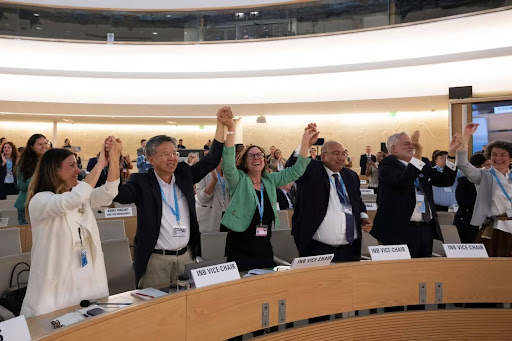
Geneva, Switzerland — May 20, 2025 — Member states of the World Health Organization (WHO) have unanimously adopted a landmark agreement aimed at significantly improving the world’s preparedness and response to future pandemics. The decision marks a major step forward in global health governance following the far-reaching consequences of the COVID-19 pandemic.
The agreement, titled the Pandemic Agreement on Preparedness and Response (PAPR), was endorsed at the 77th World Health Assembly in Geneva after more than two years of intense negotiations involving 194 countries. It outlines a framework for better coordination, resource-sharing, data transparency, and equitable access to vaccines, treatments, and protective equipment during health emergencies.
A Response Born from Lessons Learned
The initiative is rooted in the global failures and successes observed during the COVID-19 pandemic. Many countries, particularly in the Global South, struggled with delayed access to vaccines and medical supplies, while wealthier nations hoarded critical resources. WHO Director-General Dr. Tedros Adhanom Ghebreyesus described the new agreement as “a historic moment that shows solidarity, equity, and a shared commitment to protecting humanity.”
“The next pandemic is not a question of if, but when,” said Dr. Tedros. “This agreement lays the foundation for a future where the world can respond faster, more fairly, and more effectively to emerging health threats.”
Key Pillars of the Agreement
The new accord includes several key commitments from WHO member states:
- Equitable Access: Countries agree to share medical countermeasures, including 20% of pandemic-related products such as vaccines and antivirals, with WHO for distribution to nations in need.
- Strengthened Surveillance: Improved global health surveillance systems, including real-time data sharing, early warning systems, and genomic sequencing platforms.
- Technology Transfer & Local Manufacturing: Nations commit to supporting technology transfer and building local manufacturing capacity in low- and middle-income countries to reduce dependency on global supply chains.
- Funding Mechanism: Establishment of a Pandemic Response Fund to support rapid mobilization of resources and support health systems in crisis.
- Legal and Ethical Oversight: Commitments to uphold human rights and ethical practices in the implementation of public health measures.
Balancing Sovereignty and Solidarity
While the agreement is legally binding, it includes provisions that respect national sovereignty. Each country retains the right to implement measures in line with their legal and constitutional frameworks. However, the agreement also introduces mechanisms for international accountability and cooperation to prevent the politicization of health emergencies.
WHO officials clarified that the agreement is not a tool to override national governments but a cooperative framework to enhance mutual assistance and transparency.
Mixed Reactions and Next Steps
Reactions to the agreement have been mixed. Global health advocates have applauded the move as a crucial step toward more equitable pandemic responses, especially in terms of access to life-saving interventions. However, some civil society groups and politicians from certain countries voiced concerns about national autonomy and potential overreach by international bodies.
Despite these tensions, over 190 member states voted in favor of adopting the agreement. The next phase involves ratification at the national level and the establishment of a global monitoring board to oversee compliance.
A Path Forward
The WHO emphasized that this agreement is a “living document” — adaptable as new technologies emerge and health threats evolve. Its success will depend on continued political will, international collaboration, and community engagement.
As Dr. Tedros concluded, “We owe it to the billions of people who suffered — and the millions who died — to make sure we are never caught unprepared again.”
Tensions Erupt in New Zealand Parliament as Māori Haka Sparks Cultural and Political Clash
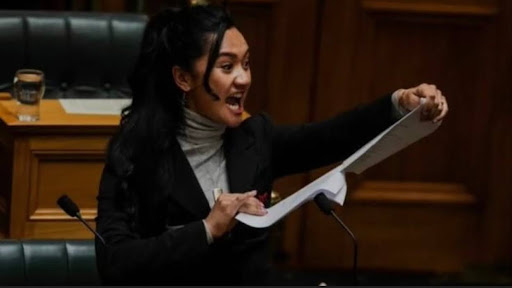
Wellington, New Zealand — May 20, 2025 — A storm of controversy swept through New Zealand’s Parliament this week when several Māori Members of Parliament (MPs) performed the haka, a traditional Māori ceremonial dance, in protest of legislation they claim undermines indigenous rights. The dramatic display, though deeply rooted in cultural tradition, triggered heated reactions and briefly brought parliamentary proceedings to a standstill.
The haka, widely known internationally through its performance by the All Blacks rugby team, holds immense cultural significance among the Māori people. It serves not only as a form of ancestral tribute and celebration but also as a fierce expression of resistance and identity — a meaning not lost on those who performed it in Parliament.
A Protest Through Ancestral Voice
The impromptu haka was led by MPs from Te Pāti Māori during a debate over a bill that would amend land management laws affecting Māori tribal authorities. The MPs argued the bill threatened self-determination and violated principles of the Treaty of Waitangi, New Zealand’s founding document signed between Māori chiefs and the British Crown in 1840.
“We stand in defense of our whakapapa, our whenua, our mana,” said MP Rawiri Waititi. “When our ancestors faced injustice, they stood and chanted. Today, we do the same.”
The haka drew immediate attention and was broadcast live, quickly trending across social media platforms in New Zealand and abroad. Supporters applauded the MPs for courageously standing in their cultural truth, while critics accused them of undermining the integrity of the parliamentary process.
Parliamentary Reactions Spark Division
Speaker of the House Gerry Brownlee attempted to restore order, calling the haka “disruptive to official proceedings” and warning that Parliament was not the appropriate venue for such demonstrations. Several Māori MPs were removed from the chamber after refusing to stop.
Other parties weighed in, with members of the ruling coalition expressing frustration over what they viewed as theatrics. “We support cultural expression, but Parliament has rules. We can’t govern in chaos,” said one National Party MP.
The opposition Labour Party appeared split — some MPs defended the haka as a legitimate form of protest, while others urged a return to decorum and dialogue.
Nationwide Debate: Expression or Escalation?
The incident has ignited a broader national debate over the role of indigenous expression in political spaces. Many Māori leaders and cultural scholars have defended the haka as an intrinsic part of Māori identity and a rightful method of protest, particularly when decisions threaten ancestral ties to land and sovereignty.
“Māori have the right to bring their whole selves into institutions that once excluded them,” said Dr. Hinemoa Elder, a Māori psychiatrist and public figure. “The haka is not just a performance — it’s a pulse of our collective resistance.”
However, conservative commentators and some lawmakers accused the MPs of politicizing cultural rituals, arguing that protests of this nature may alienate broader public support for Māori causes.
Cultural Power Meets Political Resistance
The haka’s use in this context highlights the ongoing struggle to balance cultural autonomy with institutional protocol in New Zealand’s evolving democracy. For Māori communities, it was an assertion that their voices — and their traditions — cannot be separated from their political reality.
“It’s more than symbolism. It’s about presence,” said Debbie Ngarewa-Packer, co-leader of Te Pāti Māori. “When the systems fail to hear us, we return to the voice of our ancestors. The haka is that voice.”
Next Steps and Continued Dialogue
Prime Minister Christopher Luxon responded by urging calm and promising further dialogue with Māori leaders. “We must honor our founding commitments to the Treaty of Waitangi, while ensuring Parliament functions in a way that is respectful and inclusive.”
A working group has reportedly been established to explore ways in which cultural expression can be incorporated into political processes without derailing them — an effort to find a middle ground between tradition and protocol.
Conclusion: A Moment That Echoes Beyond Parliament
The haka protest has become more than a political flashpoint; it has emerged as a defining moment in New Zealand’s ongoing journey toward honoring its bicultural foundation. It raises critical questions: Who sets the rules in shared spaces? Can tradition and governance coexist without conflict? And what does it mean to truly hear indigenous voices in the halls of power?
As one elder watching the events unfold put it, “The haka may shake the walls, but it also stirs the soul of the nation.