Epilogue: Shaping Global Diplomacy Through U.S.-Russia Negotiations
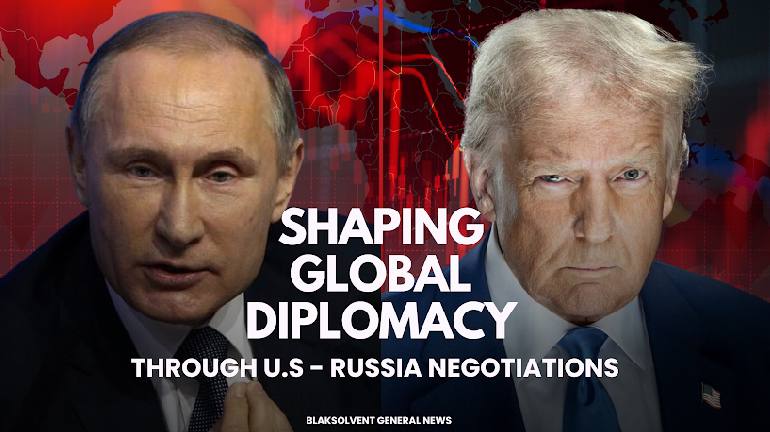
As tensions between the U.S. and Russia continue to simmer over critical issues like the Ukraine conflict, rare earth metals, and international trade, the world watches closely to see how diplomatic negotiations will unfold. President Trump’s potential appointments of Richard Grenell and David Friedman for key U.N. roles signal a renewed focus on hardline foreign policy and a rethinking of America’s engagement with global institutions. Meanwhile, the high-stakes talks on rare earth metals could redefine the balance of power in the global economy, with ramifications that extend far beyond U.S.-Russia relations.
In a time of heightened geopolitical uncertainty, the outcomes of these negotiations and appointments will shape the future of international diplomacy. With global markets and national interests hanging in the balance, it’s clear that the decisions made in Washington and Moscow will resonate on the world stage for years to come. Blacksolvent News will continue to track these critical developments and provide updates as the situation evolves.
Trump Reportedly Considering Former Ambassadors Richard Grenell and David Friedman for Key U.N. Role
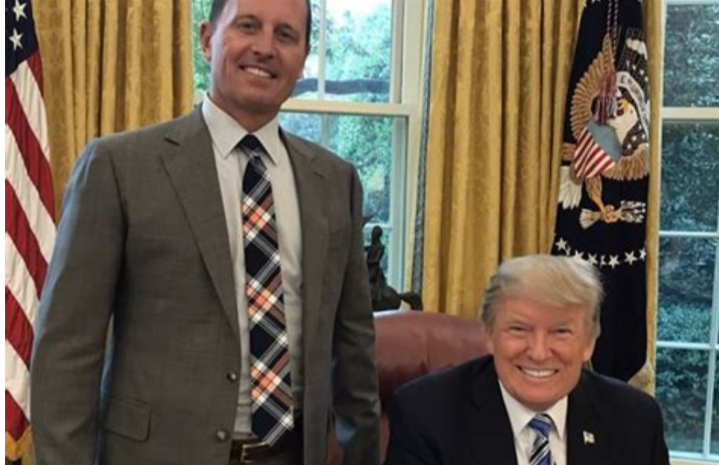
Former U.S. President Donald Trump is reportedly weighing the appointment of former ambassadors Richard Grenell and David Friedman for a major role at the United Nations, sources close to the matter revealed. As Trump continues to wield influence in Republican foreign policy circles, speculation is mounting over how this potential move could reshape U.S. engagement with global diplomatic institutions.
Trump’s Foreign Policy Legacy and the U.N. Strategy
Trump, who has remained a dominant figure in conservative politics, has long been critical of the United Nations, frequently accusing it of inefficiency and anti-American bias. His past administration withdrew the U.S. from key international agreements, including the Paris Climate Accord and the Iran Nuclear Deal, and took a more transactional approach to diplomacy.
By considering Grenell and Friedman for a U.N. role, Trump appears to be signaling a return to his hardline diplomatic stance. The position in question could be the U.S. Ambassador to the U.N. or another high-level advisory role aimed at reforming the organization’s operations to align with conservative foreign policy objectives.
Who Are the Leading Candidates?
Richard Grenell, the former U.S. Ambassador to Germany, is known for his aggressive diplomatic style and strong support for Trump’s “America First” agenda. He later served as the Acting Director of National Intelligence, where he focused on declassifying sensitive intelligence and pushing back against perceived bureaucratic overreach. A staunch critic of globalist policies, Grenell’s appointment could indicate a push for a more confrontational stance at the U.N.
David Friedman, who served as U.S. Ambassador to Israel, played a crucial role in brokering the Abraham Accords, a landmark diplomatic agreement that normalized relations between Israel and several Arab nations. His deep connections in the Middle East and strong pro-Israel stance have made him a favorite among conservative foreign policy strategists. If chosen, his presence at the U.N. could prioritize policies that strengthen U.S.-Israel relations while challenging long-standing diplomatic norms.
Potential Implications for U.S. Diplomacy
If Trump moves forward with appointing either Grenell or Friedman, it could mark a significant shift in the U.S.’s approach to the United Nations. Unlike the Biden administration, which emphasized multilateral cooperation and climate action, a Trump-led diplomatic team may push for budget cuts, stricter oversight of U.N. agencies, and a reevaluation of America’s financial contributions to the organization.
Analysts suggest that such a move could also reignite debates over U.S. sovereignty in global decision-making. “Trump has never hidden his skepticism about the U.N.,” said Dr. Lisa Hammond, a senior fellow at the International Policy Institute. “A Grenell or Friedman appointment would likely mean a more assertive U.S. stance, potentially clashing with traditional allies and reshaping global diplomacy.”
What Comes Next?
While Trump has not officially confirmed his decision, sources close to his team suggest that discussions are at an advanced stage. If either candidate is chosen, the nomination process could face resistance in the U.S. Senate, where Democrats and some moderate Republicans remain wary of a return to Trump’s diplomatic approach.
U.S. and Denmark to Hold First High-Level Talks Since Trump’s Election
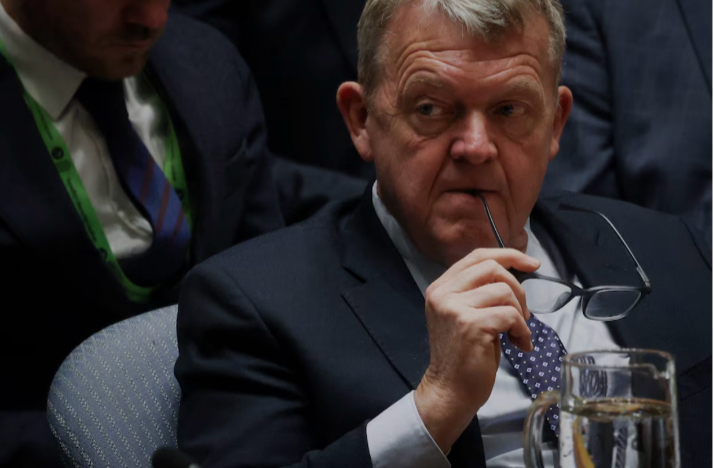
In a significant diplomatic move, U.S. Secretary of State Marco Rubio is set to meet with Danish Foreign Minister Lars Løkke Rasmussen this week, marking the first high-level discussions between the two nations since Donald Trump’s re-election as U.S. President. The meeting, expected to take place in Washington, will focus on key issues including transatlantic trade, security cooperation, and the economic impact of the newly proposed U.S. tariffs on European markets.
Renewed U.S.-Europe Relations Amid Tariff Tensions
The U.S.-Denmark talks come at a crucial time, as Trump’s administration pushes forward with a set of aggressive trade policies that have sparked concerns across Europe. The U.S. is reportedly preparing to impose new tariffs on several European goods, a move that could strain diplomatic relations with allies, including Denmark.
For Denmark, which heavily relies on exports to the U.S. and the EU, these tariffs could have substantial economic consequences. Rasmussen is expected to seek clarifications on whether exemptions or trade accommodations will be granted to Danish industries, particularly in sectors such as pharmaceuticals, renewable energy, and agriculture.
Defense and Security: A Key Agenda
Beyond trade, security cooperation is also high on the agenda. Denmark is a strong NATO ally and has been a key player in international peacekeeping and defense initiatives. Trump has previously pressured NATO members to increase their defense spending, and discussions between Rubio and Rasmussen are expected to touch on Denmark’s future contributions to the alliance.
Additionally, with rising tensions in Eastern Europe, particularly in Ukraine and the Arctic region, the U.S. and Denmark are likely to discuss joint defense strategies and regional security initiatives. Denmark, due to its strategic location and its sovereignty over Greenland, plays an important role in Arctic geopolitics—a region of increasing competition between the U.S., Russia, and China.
Denmark’s Role in Green Energy and Climate Diplomacy
Another critical topic will be climate policy. Denmark has positioned itself as a global leader in renewable energy, particularly in wind power. However, Trump’s administration has historically been skeptical of international climate agreements, pulling out of the Paris Climate Accord during his first term in office.
Rasmussen is expected to advocate for continued U.S.-Denmark collaboration on renewable energy initiatives, particularly in offshore wind projects. Danish energy companies, such as Ørsted, have played a key role in expanding wind power capabilities in the U.S., and Denmark is eager to maintain its leadership in green technology exports.
What This Means for Transatlantic Relations
While this meeting is primarily a bilateral engagement, its implications go beyond U.S.-Denmark relations. It serves as a test case for how European allies will navigate diplomatic and economic relations with the U.S. under Trump’s new administration.
If Denmark can secure favorable terms or exemptions from the U.S. tariffs, other European nations may follow suit in negotiations with Washington. Conversely, if the talks yield little progress, it could signal a more challenging economic landscape for European exporters dealing with the U.S.
Looking Ahead
This high-level meeting will set the tone for future U.S.-European relations in Trump’s second term. Denmark, with its strategic Arctic position, strong NATO ties, and leading role in renewable energy, is looking to maintain a balanced partnership with Washington.
The outcome of these discussions will be closely watched by both European leaders and global markets, as it could indicate the direction of U.S. foreign and economic policy in the coming years.
For more updates on global diplomacy and trade, stay tuned to Blacksolvent News.
U.S. and Russia Engage in Rare Earth Metals Negotiations Amid Rising Tensions
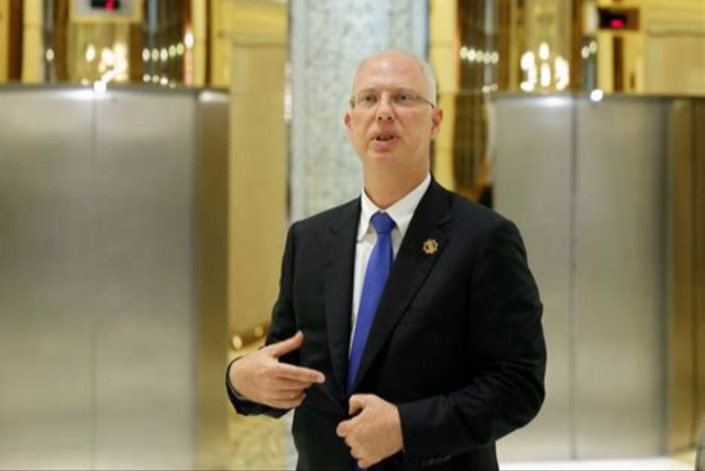
In a significant development, the United States and Russia have begun high-stakes negotiations over rare earth metals, a move that could have wide-reaching implications for both global trade and geopolitical stability. The negotiations come amidst escalating tensions between the two nations, which have been exacerbated by Russia’s ongoing military aggression in Ukraine and the looming threat of U.S. sanctions.
The Role of Rare Earth Metals in Global Trade
Rare earth metals, which are crucial for the production of high-tech goods such as electronics, electric vehicles, and military equipment, have become a key focal point in international trade discussions. Russia is one of the world’s largest suppliers of these critical materials, and the U.S. has long relied on Russian exports to meet its domestic demands for advanced manufacturing and defense technologies.
However, the escalating conflict in Ukraine and the strained diplomatic relations between the two nations have prompted the U.S. to reassess its reliance on Russian rare earth metals. President Donald Trump has expressed concerns about the growing dependency on Russian resources and is reportedly looking for alternative sources, including domestic mining and partnerships with other nations.
The Economic Implications of the Talks
The rare earth metals negotiations are taking place against the backdrop of ongoing U.S. sanctions and trade restrictions against Russia. These sanctions have significantly impacted Russia’s economy, but they have also disrupted global supply chains, particularly in the tech and defense sectors.
Sources close to the negotiations have indicated that the U.S. is pushing for a more diversified supply of rare earth metals to reduce its dependency on Russian exports. However, Russia is reportedly seeking to leverage its vast resources to secure economic concessions from the U.S., including the lifting of certain sanctions or the creation of trade agreements that would benefit Russian industries.
Given the strategic importance of rare earth metals in both civilian and military applications, the outcome of these talks could significantly impact the global economy. Countries around the world are closely monitoring the situation, as any shift in the balance of power over these resources could lead to price fluctuations, supply shortages, and a realignment of global trade relationships.
Rising Tensions: A Dangerous Diplomatic Standoff
The rare earth metals talks have come at a particularly tense moment in U.S.-Russia relations. The Biden administration had previously imposed a series of sanctions on Russia in response to its aggression in Ukraine, but these measures have failed to bring about a significant change in Russian behavior. Trump, now in office once again, has taken a more confrontational stance toward Russia.
Sources within the White House have indicated that Trump is “very angry” with Russian President Vladimir Putin over the failure to reach a ceasefire in Ukraine and the ongoing instability in the region. The U.S. has also become increasingly frustrated with Russia’s continued military operations, which include airstrikes on Ukrainian cities like Kharkiv, as well as allegations of energy attacks on European infrastructure.
In an unprecedented move, Trump has threatened to impose heavy tariffs on Russian oil exports unless a ceasefire is declared within the next month. The U.S. is also considering additional sanctions aimed at limiting Russia’s access to international markets. As part of these efforts, the U.S. is reportedly looking to collaborate with NATO allies to further isolate Russia economically.
The Diplomatic Fallout
In response to the mounting pressure, Russia has accused the U.S. of sabotaging peace efforts and violating international norms. Russian officials have called the U.S. sanctions “unjust” and “counterproductive,” arguing that they are designed to weaken Russia’s economy rather than promote a peaceful resolution to the conflict in Ukraine.
Despite these tensions, there has been some indication that both countries are willing to continue negotiations on rare earth metals. Russia has acknowledged that its economic interests are deeply tied to the export of these materials and may be open to finding a way to preserve its position as a key supplier to global markets.
Meanwhile, European nations have expressed concern over the potential economic fallout from a prolonged standoff between the U.S. and Russia. Countries like Germany, which depend on Russian rare earth metals for their automotive and electronics industries, are watching the talks closely.
The Path Forward
As the U.S. and Russia navigate these negotiations, the future of global trade in rare earth metals is uncertain. The outcome of these talks will likely influence the U.S. approach to future relations with Russia, as well as the broader dynamics of international trade.
For now, both sides remain entrenched in their positions, with the U.S. calling for a cessation of hostilities in Ukraine and Russia insisting on the need for recognition of its geopolitical interests. The rare earth metals talks will continue to unfold, with economic, political, and strategic consequences that could reverberate across the globe.