In a World on Edge, the Stakes Are Higher Than Ever
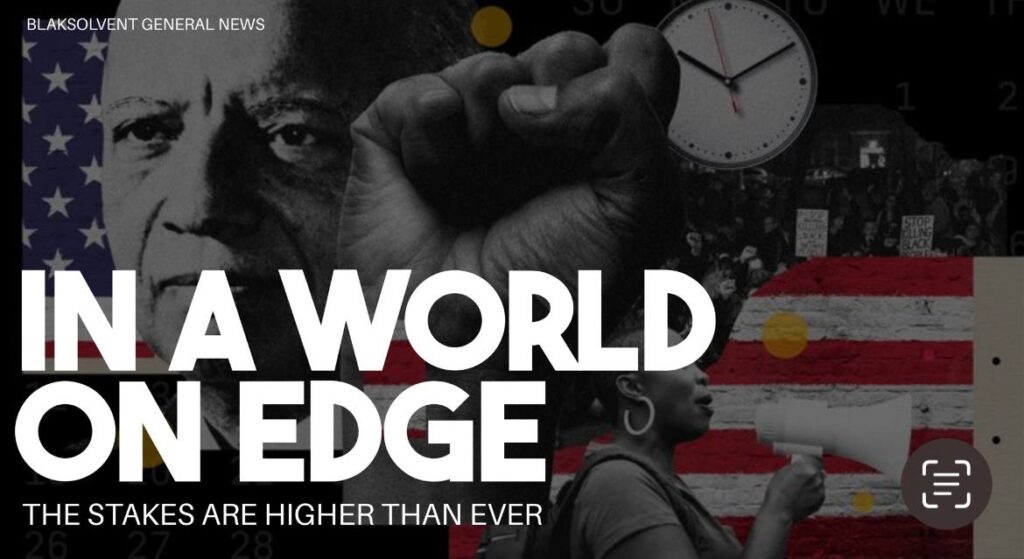
From courtroom battles to geopolitical tensions and domestic bloodshed, today’s headlines expose a world grappling with deeper systemic cracks—and the courage it takes to confront them.
In New York, the Diddy trial isn’t just about a music mogul’s legal fate; it’s a mirror reflecting the fragile balance between credibility and the need for diverse, representative justice. A single juror’s dismissal over conflicting residency statements reminds us how tightly the justice system clings to the appearance of integrity—even when it risks the perception of fairness.
Across Central Nigeria, the wave of brutal killings is a tragic signal that unresolved issues—land, identity, climate, and failed governance—can converge into devastating cycles of violence. Entire communities are being erased in silence, with impunity and inaction standing in for justice.
And on the global front, the looming threat of a new U.S. visa ban against 36 nations has reignited fears about rising border nationalism and shrinking mobility for millions. For students, workers, and families alike, the cost of geopolitics is becoming deeply personal.
These stories may seem worlds apart, but together they paint a sobering picture: one of systems—legal, political, environmental—that are under pressure, and of people caught in the middle, fighting to be seen, heard, and protected.
The through line? Accountability. Access. And the urgency to rebuild trust across borders, communities, and institutions.
At Blacksolvent, we don’t just report the headlines—we trace their impact, challenge their silence, and spotlight the human cost behind every statistic. Because in today’s fractured world, informed voices aren’t optional—they’re essential.
U.S. Targets 36 Countries for Potential Visa Ban Amid Tightened Border Protocols
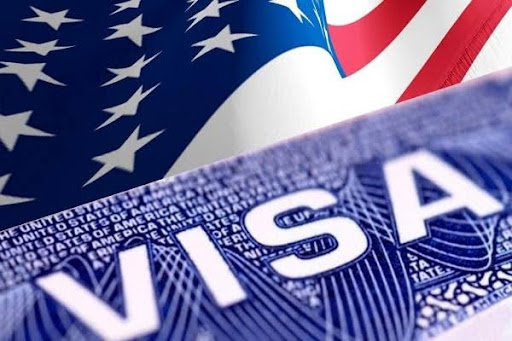
Washington, D.C. — In a sweeping policy shift with far-reaching global implications, the United States government has released a list of 36 countries now facing possible visa restrictions, citing security lapses, poor cooperation with U.S. immigration enforcement, and deficiencies in national documentation systems.
The proposed move—outlined in a classified State Department memo obtained by multiple international outlets—signals a new phase in Washington’s immigration policy under the Trump administration, with an emphasis on accountability, deportation cooperation, and national security risk mitigation.
A Tighter Gate: What’s Behind the Proposed Visa Ban
The visa restriction proposal stems from Executive Order 14161, signed in October 2024, which mandated an inter-agency review of visa issuance, identity verification, and deportation compliance. Following that order, President Trump signed Proclamation 10949 on June 4, 2025, imposing immediate restrictions on 19 countries and ordering further review for an additional 36.
According to the State Department, the current list of countries have 60 days to comply with new documentation standards and security protocols or risk full or partial suspension of U.S. visa services. The affected countries span Africa, the Caribbean, Asia, and the Pacific, with a notable concentration in Sub-Saharan Africa.
The 36 Countries Now Under Review
The full list includes:
Africa: Angola, Benin, Burkina Faso, Cabo Verde, Cameroon, Democratic Republic of Congo, Djibouti, Egypt, Ethiopia, Gabon, Gambia, Ghana, Ivory Coast, Liberia, Malawi, Mauritania, Niger, Nigeria, Senegal, South Sudan, Tanzania, Uganda, Zambia, Zimbabwe
Asia & Pacific: Bhutan, Cambodia, Kyrgyzstan, Syria, Tonga, Tuvalu, Vanuatu
Caribbean Nations: Antigua and Barbuda, Dominica, Saint Kitts and Nevis, Saint Lucia, São Tomé and Príncipe
Why These Countries?
According to the leaked memo signed by Secretary of State Marco Rubio, the countries were flagged due to:
- High rates of visa overstays
- Weak passport and identity systems
- Failure to cooperate with U.S. deportation efforts
- Lack of biometric data-sharing
- Concerns over terrorist activity or extremist rhetoric among nationals
Each country has until August 17, 2025 to respond with an acceptable remediation plan. If accepted, they may avoid sanctions entirely or be subject to limited restrictions (e.g., affecting only tourist or student visas).
Diplomatic Reactions and Rising Tensions
The move has already sparked criticism from civil rights groups, immigration advocates, and several foreign ministries, who argue that the policy disproportionately targets developing nations and disrupts families, businesses, and educational pathways.
“This is another version of the travel ban,” said an African Union spokesperson. “It may not use the same language, but the result is the same—blanket restrictions that punish millions for the failures of national bureaucracy.”
Meanwhile, some U.S. officials defended the move, stating that “security cannot be compromised in the name of diplomacy.” The administration maintains that the countries were chosen based on objective security criteria, not ethnic or religious bias.
Who Is Most Affected?
- Students and Scholars from the listed nations face immediate uncertainty regarding Fall 2025 admission to U.S. universities.
- Business Travelers and Tech Entrepreneurs may encounter delays or denials as background checks tighten.
- Diaspora Communities worry about disruptions to family reunification, work visa renewals, and emergency travel.
The Student & Exchange Visitor Program (SEVP) has reportedly paused visa issuance for nationals from several of the listed countries pending further guidance.
Global Implications
The visa ban threat, if carried through, could alter global travel patterns, investment flows, and diplomatic relations—especially between the U.S. and African regional blocs.
Nations like Nigeria, Egypt, and Ghana, which contribute heavily to U.S. immigration and academic pipelines, are lobbying Washington for reconsideration, promising reforms in border control, digital ID systems, and criminal data-sharing.
The Bottom Line
As global migration policies grow more complex, the United States is taking a hardline approach—drawing praise for assertiveness and backlash for perceived overreach. Whether these 36 countries meet the 60-day deadline or not, the message from Washington is clear:
Secure your borders—or lose access to ours.
Terror in the Middle Belt: What’s Behind the Surging Killings in Central Nigeria?
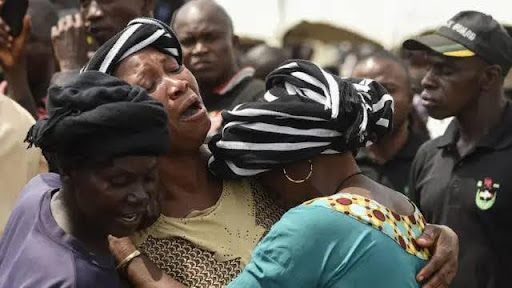
Benue State, Nigeria — A wave of deadly attacks has once again plunged Nigeria’s central region into mourning. In the latest onslaught, armed assailants—suspected to be militant herders—unleashed coordinated violence on the village of Yelewata in Benue State, killing over 150 residents in a single night. Just days earlier, similar assaults in Plateau and Nasarawa states claimed dozens more lives.
As the death toll rises, a brutal truth emerges: central Nigeria is spiraling into one of the deadliest conflict zones in West Africa—an ongoing crisis driven by land disputes, ethnic tensions, climate pressures, and systemic insecurity.
UNDERSTANDING THE ROOTS OF THE CRISIS
The killings are not new—but the scale, speed, and frequency have escalated sharply in recent months. Here’s what’s fueling the carnage:
1.
Land and Livelihoods: Farmers vs. Herders
At the heart of the conflict is competition over fertile land and water. Nomadic Fulani herders—displaced by desertification in the north—have moved southward into farming communities in Nigeria’s Middle Belt. What began as disputes over grazing has escalated into deadly confrontations marked by mass killings and village-level displacement.
2.
Climate Change as Conflict Catalyst
Nigeria’s climate crisis—marked by worsening drought, erratic rainfall, and desert expansion—has intensified the struggle for survival. As natural resources diminish, age-old tensions over territory are reignited with lethal consequences.
3.
Banditry, Militias, and Weak Security
What started as communal clashes has evolved into a complex web of violence involving armed herder militias, local vigilantes, and criminal networks. Many groups now engage in mass kidnappings, extortion, and village raids, operating from forest hideouts with little to no government interference.
4.
Failure of the State
Security forces often arrive late—or not at all. Many survivors in Yelewata and surrounding areas report that pleas for military help were ignored for hours. The absence of swift, coordinated federal response has fueled distrust in the government and led to the rise of self-defense groups, many of which operate outside the law.
THE HUMAN COST
- Mass Displacement: Thousands have fled their homes, seeking safety in overcrowded IDP camps with poor access to food and healthcare.
- Food Insecurity: Attacks have forced farmers to abandon their crops, triggering fears of a broader hunger crisis across Nigeria’s food-producing belt.
- Child Victims: Rights groups report that over 200 children have been killed or gone missing since 2024 in similar attacks across the region.
- Ethnic Polarization: The killings are exacerbating Nigeria’s ethno-religious fault lines. Most of the victims are Christian farmers, while the attackers are often Fulani herdsmen—fueling claims of ethnic cleansing.
NATIONAL AND GLOBAL RESPONSES
President Bola Tinubu has condemned the attacks, promising an investigation and renewed military action. But critics say his administration is failing to act decisively. His absence from the country during the worst of the violence drew sharp criticism from opposition leaders and civil society.
International observers, including the United Nations and ECOWAS, have called on Nigeria to adopt conflict resolution frameworks that prioritize early warning systems, community dialogue, and sustainable land-use reforms.
Meanwhile, local voices are calling for:
- Ranching Policies to end nomadic grazing;
- Decentralized Security to empower state-level protection;
Justice and Compensation for affected families.
Juror Removed from Diddy Trial Over Residency Discrepancies, Raising Integrity and Representation Questions
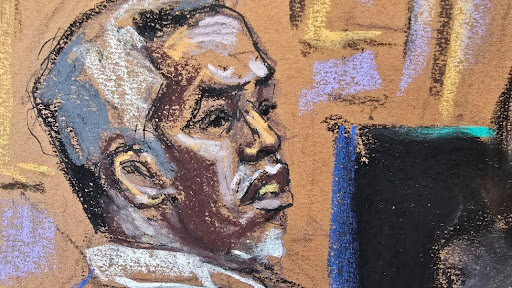
NEW YORK CITY — A federal judge has dismissed a juror from Sean “Diddy” Combs’ high-stakes sex-trafficking and racketeering trial after inconsistencies emerged regarding the juror’s place of residence, triggering debate over transparency, trust, and diversity in one of the most closely watched celebrity trials in years.
The Dismissal: What Went Wrong
Juror No. 6, a 41-year-old Black man originally from the Bronx, had told the court during jury selection that he lived with his fiancée and daughter in the borough. However, during private questioning last week, he disclosed to court staff that he had actually moved to New Jersey.
This conflicting information raised red flags for U.S. District Judge Arun Subramanian, who said the juror’s statements had “significantly undermined” his credibility and ability to impartially interpret the law. As a result, he was excused and replaced.
Tensions Over Fairness and Diversity
Diddy’s defense team objected to the juror’s removal, arguing that it disproportionately affected racial representation in the trial. The dismissed juror was one of the few Black men on the panel, and his replacement is a 57-year-old white male architect from Westchester County.
“We must protect the right to a jury that reflects the diversity of New York,” said lead defense attorney Xavier Donaldson. “This is a trial about a Black man in America. The composition of the jury matters.”
Judge Subramanian responded firmly: “The Court cannot and will not make decisions on juror status based on race. This was about truthfulness and clarity—nothing else.”
Meet the Replacement Juror
The new juror describes himself as a music lover who enjoys ‘70s funk and jazz, and he acknowledged hearing about the case via media coverage. Though he replaces one of the original Black jurors, court officials maintain he meets all the requirements for impartial service.
Why It Matters
This isn’t just a procedural hiccup—it reflects the underlying tension between two fundamental pillars of justice: credibility and representation. The defense fears losing jurors who may better relate to Diddy’s background. The court insists it must maintain the integrity of the process.
Meanwhile, advocates argue that the repeated underrepresentation of Black men on juries in high-profile trials perpetuates systemic imbalance.
Where the Trial Stands
Now entering its sixth week, the trial is expected to shift soon into its final stages. The prosecution is preparing to rest, with the defense gearing up to present its case in full. Diddy faces federal charges including sex trafficking, racketeering, and obstruction of justice—accusations he continues to vehemently deny.