Transforming Challenges into Opportunities – Charting a Future of Trade Rebalancing, Cyber Resilience, and Medical Innovation
The interconnected headlines from around the globe reveal not just challenges, but also pathways to innovative solutions. South Korea’s strategic move to postpone U.S. tariffs highlights a proactive approach by smaller economies to recalibrate trade relationships and safeguard their economic stability in an increasingly complex international marketplace. This shift is emblematic of a broader trend where nations are rethinking traditional alliances and economic dependencies to forge new, balanced partnerships.
Across the digital frontier, China’s bold allegations of sophisticated U.S. cyberattacks have brought the realities of modern cyber conflicts into the spotlight. By naming suspected NSA operatives, Beijing is not merely engaging in provocative rhetoric but is also signaling an urgent need for enhanced cyber resilience and a reevaluation of international norms in the virtual domain. As digital security becomes an integral part of national sovereignty, the emerging discourse may pave the way for more robust frameworks aimed at preventing cyber escalations.
Meanwhile, in the realm of healthcare, the call for groundbreaking research into maintenance therapy for HER2-positive metastatic breast cancer shines a light on the relentless pursuit of improved patient outcomes. This initiative embodies a transformative moment in medical research—one where innovative treatment strategies have the potential to redefine chronic care and offer renewed hope for patients battling aggressive diseases.
Together, these narratives illustrate a world in transition, where economic, digital, and medical sectors are converging to transform adversity into opportunity. As policymakers, cybersecurity experts, and medical researchers each harness their respective challenges, they also lay the groundwork for a future characterized by balanced trade, resilient digital infrastructures, and life-saving therapies. In embracing these opportunities, the global community demonstrates that through thoughtful strategy and collaborative spirit, even the most daunting obstacles can catalyze progress and drive meaningful change.
South Korea Prioritizes Delaying US Tariffs in Ongoing Trade Negotiations
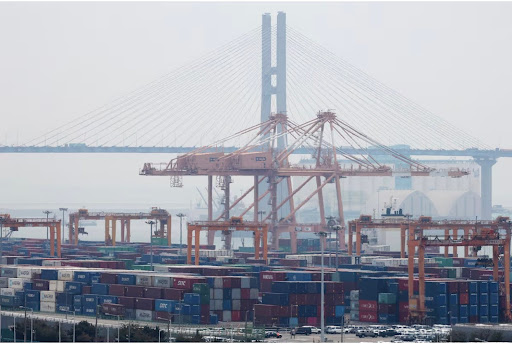
South Korea has declared that its foremost objective in ongoing trade discussions with the United States is to secure a delay in the implementation of pending U.S. tariffs on key South Korean exports. The announcement comes amid growing economic uncertainties and mounting pressure from domestic industries concerned about the impact of potential tariff increases.
According to officials from South Korea’s Ministry of Trade, Industry and Energy, Seoul is actively engaging with Washington to negotiate an extension or suspension of tariff measures originally scheduled to take effect later this year. The tariffs, which could significantly affect South Korean automobile, steel, and semiconductor exports, were introduced as part of broader U.S. efforts to address global trade imbalances and bolster domestic manufacturing.
“We have made it clear to our counterparts in the U.S. that delaying these tariffs is a top priority for our government,” a senior South Korean trade official said in a press briefing Monday. “Such measures would not only strain our bilateral trade relationship but could also have negative ripple effects on global supply chains, especially in the technology and manufacturing sectors.”
Background of the Tariff Dispute
The proposed tariffs stem from a broader review initiated under the U.S. Trade Expansion Act, which allows the U.S. government to impose trade restrictions for national security reasons. In recent years, the United States has increasingly used this provision to reevaluate trade relationships with key partners, including South Korea, Japan, and the European Union.
South Korea, one of the United States’ most critical economic partners in Asia, has often found itself at the center of such deliberations due to its strong export-driven economy and dominance in global industries such as electronics, steel, and automotive manufacturing.
Economic Implications
Economists warn that if the tariffs were to be imposed without delay or adjustment, South Korea’s export-reliant industries could suffer significant financial setbacks. Hyundai Motor Company and Kia Corporation, for example, are among those that could be severely impacted by a hike in auto-related tariffs. Similarly, key players in the steel and semiconductor sectors have voiced their concerns over potential cost increases and market losses.
“We urge both governments to seek a balanced and constructive resolution,” said Lee Hyun-soo, an analyst at Daishin Securities. “South Korean exporters are already navigating a volatile global economy. Additional tariffs could tip the balance unfavorably.”
Diplomatic and Strategic Considerations
Beyond the economic sphere, South Korea is also considering the diplomatic ramifications of a potential tariff hike. The two nations are close allies with deep security ties, especially concerning North Korea and broader Indo-Pacific strategies. Trade tensions, officials warn, could undermine the spirit of cooperation between the allies.
“Maintaining a strong economic partnership with the United States is essential not only for our national interest but also for regional stability,” said Foreign Minister Cho Tae-yul. “We are optimistic that continued dialogue will lead to a mutually beneficial outcome.”
Outlook and Next Steps
As discussions continue, both nations are expected to convene for high-level trade talks in the coming weeks. South Korea is also working closely with its domestic industry leaders to assess the full scope of potential impacts and prepare contingency plans if negotiations falter.
In the meantime, the government remains hopeful that diplomatic efforts will bear fruit. “We believe there is room for understanding and flexibility,” the trade official added. “Our commitment is to protect our industries while preserving the strong alliance with the United States.”
More updates are expected as the negotiations progress and further details emerge from both sides.
China Accuses US of Sophisticated Cyberattacks, Identifies Suspected NSA Operatives
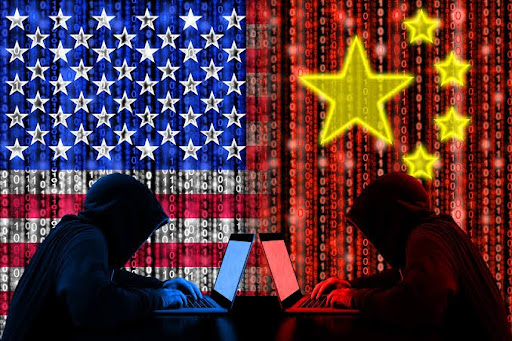
The Chinese government has publicly accused the United States of conducting highly advanced cyberattacks against its critical infrastructure and digital systems, naming several individuals it claims are operatives of the U.S. National Security Agency (NSA). The accusation marks a significant escalation in the ongoing cyber tensions between the two global powers.
In a detailed statement released by China’s Ministry of State Security (MSS) on Monday, Chinese authorities claimed that recent investigations had uncovered a “long-term and systematic” cyber espionage campaign allegedly orchestrated by the NSA’s elite cyber unit, Tailored Access Operations (TAO).
“The United States has been conducting complex and covert cyberattacks targeting China’s sensitive information systems, scientific institutions, and government networks,” the MSS statement read. “These operations were carried out with the intention of stealing data, disrupting communications, and undermining China’s national security.”
Alleged Identification of NSA Agents
In an unusual move, the Chinese government also released the names and partial profiles of what it alleges are key NSA personnel involved in the operations. Though the identities have not been independently verified, the MSS claims that the individuals played central roles in coordinating and executing cyber intrusions into Chinese databases and infrastructure across sectors such as aerospace, energy, and telecommunications.
This is one of the first times China has directly named U.S. intelligence officials in connection with cyber operations, signaling a new level of assertiveness in its cyber diplomacy strategy.
Evidence and Claims
According to Chinese officials, the accusations are supported by digital forensic analysis, intercepted malware samples, and network logs allegedly linking the attacks to U.S. cyber infrastructure and NSA tools. The MSS also claims to have identified malware strains previously leaked in the “Vault 7” and “Vault 8” disclosures by WikiLeaks, which detailed a suite of NSA cyber tools.
The MSS accused the NSA of leveraging “backdoors” and zero-day vulnerabilities to infiltrate Chinese servers, conduct surveillance, and extract classified data. Additionally, it alleged that U.S. operatives manipulated Chinese telecom systems to monitor both domestic and international communications.
US Response and Denial Expected
As of publication time, the U.S. government has not officially responded to the latest allegations. Historically, Washington has denied conducting unauthorized cyber espionage targeting allied or rival nations’ civilian systems but has acknowledged the use of cyber capabilities for national security purposes.
Cybersecurity analysts anticipate a strong denial from the U.S., alongside potential concerns about China’s decision to reveal alleged NSA identities, which may further strain diplomatic relations between the two nations.
Global Implications and Cybersecurity Risks
The latest accusations from Beijing come amid a global increase in cyber warfare activity, as both state and non-state actors ramp up efforts to gain strategic advantages in cyberspace. The move may also prompt retaliatory actions or sanctions, heightening tensions not only between China and the U.S. but across the broader international community.
“This could trigger a dangerous cycle of cyber retaliation,” said Alex Tanaka, a cybersecurity researcher at the Pacific Institute for Digital Security. “By naming alleged U.S. agents, China is crossing a line that could escalate this into a public intelligence confrontation.”
Call for Cyber Norms
China reiterated its call for an international framework governing cyber conduct, urging the United Nations and other multilateral institutions to take stronger steps toward preventing cyber conflicts.
“We urge the United States to stop weaponizing cyberspace and to engage in constructive dialogue toward building a peaceful and secure digital environment,” the MSS added.
As cyber tensions continue to rise, observers around the world are watching closely for Washington’s official response and the potential ripple effects across geopolitical and cybersecurity landscapes.
Call for Applications: Investigating Maintenance Therapy in HER2-Positive Metastatic Breast Cancer
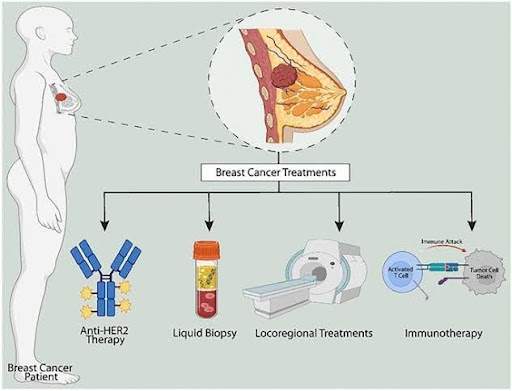
April 15, 2025 — A new research initiative has been launched, calling on scientists, oncologists, and research institutions to apply for funding to explore the role of maintenance therapy in HER2-positive metastatic breast cancer (MBC). The Request for Applications (RFA) is aimed at driving innovative research that could improve long-term outcomes for patients living with this aggressive subtype of breast cancer.
The announcement was made by a prominent oncology research foundation in partnership with leading academic and pharmaceutical collaborators. The RFA specifically seeks studies that examine how maintenance therapy—administered following successful initial treatment—can help sustain remission, delay disease progression, and improve patient survival while maintaining quality of life.
According to the foundation, this opportunity is meant to support groundbreaking clinical and translational research. Proposals may investigate new therapeutic combinations, personalized treatment approaches based on biomarkers, or real-world data that reflect diverse patient populations. The foundation emphasized the importance of understanding how different maintenance strategies can be optimized for long-term efficacy, reduced toxicity, and better patient experiences.
Applicants are encouraged to propose projects that explore the comparative effectiveness of continuous therapy versus treatment de-escalation, investigate resistance mechanisms that may emerge during maintenance, and assess outcomes using patient-reported data. Proposals may include early-phase clinical trials, retrospective analyses, health economics studies, or exploratory biomarker work. Collaborative efforts across disciplines and with patient advocacy groups are especially welcomed.
The RFA is open to academic researchers, clinicians, and medical institutions globally. Funding levels will depend on the scale and complexity of the proposed project, with awards ranging from $300,000 to $1.2 million over two to three years. Grants will cover research expenses, staff salaries, data collection and analysis, and other essential costs related to the proposed work.
Interested applicants must first submit a letter of intent by June 3, 2025, outlining their research aims, methodology, and potential impact. A select number of applicants will then be invited to submit full proposals, which are due by August 15, 2025. Final funding decisions will be announced in October 2025, and selected projects will begin shortly thereafter.
This funding opportunity reflects a growing recognition of the importance of maintenance therapy in metastatic breast cancer care. As HER2-positive MBC continues to challenge oncologists despite advances in targeted treatments, researchers hope that this initiative will yield insights that can shape future standards of care and lead to better patient outcomes.
Further details, including full application guidelines and submission instructions, can be found on the official website of the sponsoring organization.