A Week of Shocks, Shifts & Second Chances.
From Accra to Washington to Beijing, the week has delivered a whirlwind of headlines, each with the power to reshape nations and markets.
In Ghana, grief runs deep as the nation prepares to bid farewell to eight heroes lost in a military helicopter crash, a tragedy Foreign Affairs Minister Ablakwa calls “monumental”.
In the US, a single comment from President Trump about possibly reclassifying cannabis sent cannabis stocks soaring, raising hopes, and questions, about the biggest policy shift in years for a $33B industry.
And on the global stage, Washington and Beijing hit the brakes on a tariff war that had threatened to send the world economy into a tailspin, agreeing to a fragile 90-day truce to talk instead of tax.
Three stories. Three very different battles; one for memory, one for policy, one for stability. All a reminder that headlines aren’t just events; they’re turning points.
The only certainty? The next chapter is already being written.
Ablakwa on Ghana’s Helicopter Disaster: “Our Nation is Shattered”
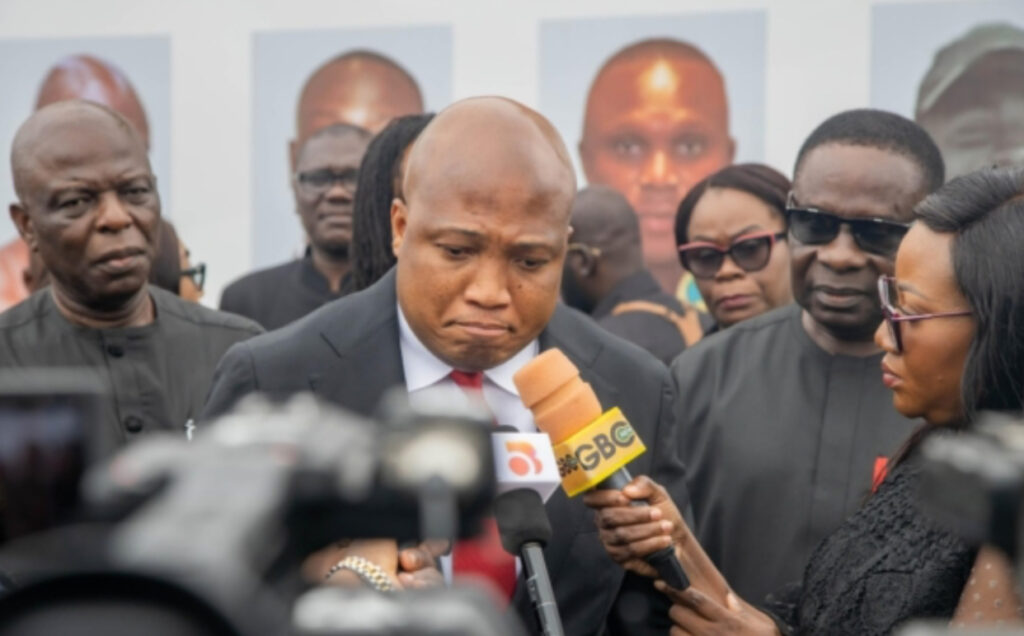
Eight national figures; including Defence Minister Dr Edward Omane Boamah, have died in what Foreign Affairs Minister Samuel Okudzeto Ablakwa calls “a tragedy of monumental proportions.”
The crash, the first of its kind in the nation’s history, has shaken the political and security establishment to its core. The victims were not only leaders in government and public service, but also mentors, confidants, and loved ones to many.
Speaking with deep emotion on Channel One TV Monday night, Minister Ablakwa revealed the profound personal toll the disaster has taken:
“This has been a difficult period for us, devastating, traumatising, depressing. We are all petrified; we are shattered. Dr Omane Boamah was more than a colleague, he was my brother and a trusted confidant.”
Ablakwa admitted to enduring sleepless nights since the tragedy, calling the days since “psychologically draining” and “difficult to bear.” He extended heartfelt condolences to the children, spouses, families, and loved ones of the victims,as well as to the President, Vice President, government, and the entire nation.
“This has never happened in our history. It is unspeakable. We can only ask the Lord to comfort our nation and grant the bereaved families fortitude,” he added.
The Nation’s Loss
Those who perished in the crash include:
- Dr Edward Omane Boamah – Minister of Defence
- Dr Ibrahim Murtala Muhammed – Minister for Environment, Science, Technology & Innovation
- Samuel Aboagye – Former Parliamentary Candidate
- Samuel Sarpong – Vice Chairman of the National Democratic Congress (NDC)
- Alhaji Limuna Muniru Mohammed – Acting Deputy National Security Coordinator
- Squadron Leader Peter Bafemi Anala – Pilot
- Flying Officer Manin Twum-Ampadu – Co-pilot
- Sergeant Ernest Addo Mensah – Flight Engineer
These were leaders and heroes who had dedicated their lives to national service, from the highest offices of government to the front lines of military duty.
A Nation in Grief
The accident has been described as an unparalleled national tragedy, one that has united Ghanaians in sorrow across political, regional, and social lines. Tributes continue to pour in from across the world as citizens, dignitaries, and international leaders express shock and sympathy.
In honour of the fallen, a state funeral for all eight victims will take place at Black Star Square in Accra on Friday, August 15, 2025. The event is expected to draw thousands, with the world’s eyes on Ghana during one of its darkest and most solemn moments.
This tragedy has left a void that will be difficult to fill, but in the face of grief, the nation stands united, holding fast to the memories, service, and sacrifice of the eight who are now hailed as heroes.
Cannabis just got a White House boost, and Wall Street lit up.
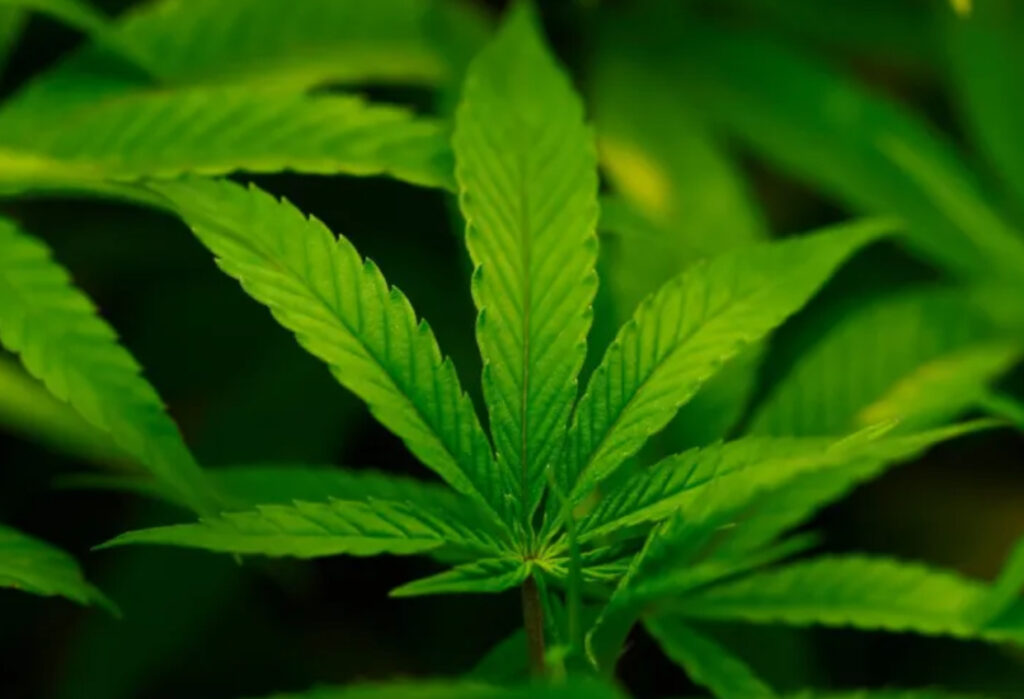
President Donald Trump has signaled his administration is “looking at” reclassifying marijuana to a less dangerous category under federal law, a potential turning point for one of the fastest-growing industries in America.
Speaking to reporters at the White House on Monday, Trump said he would decide in the coming weeks, calling it “a very complicated subject.”
“I’ve heard great things about medical cannabis,” he said. “But I’ve also heard bad things about just about everything else… Some people love it, some people hate it. If it hurts the kids, it’s bad for everybody.”
The market’s reaction was instant and explosive:
- Tilray Brands: +42%
- Village Farms International: +34%
- Canopy Growth Corp: +26%
Currently, cannabis is classified as a Schedule I drug, grouped with heroin, LSD, and ecstasy, meaning it’s officially recognized as having “no accepted medical use” and a high potential for abuse.
If moved to Schedule III, it would join substances considered to have a “moderate to low potential for dependence”. This wouldn’t make cannabis fully legal nationwide, but the implications are huge:
Why this matters:
Opens the door to medical research that’s currently restricted under federal law.
Eases compliance burdens for businesses operating in legal states.
Unlocks institutional capital from investors previously sidelined by regulations.
Strengthens interstate commerce opportunities.
With 24 US states already allowing recreational use, this potential federal shift isn’t just about policy, it’s about unlocking billions in market potential, reshaping healthcare applications, and redefining public perception. We could be witnessing the start of the biggest cannabis boom in US history.
This isn’t just a policy change, it’s an investment signal.
Question is: which companies, investors, and innovators are positioned to lead when the gates open?
US–China Strike 90-Day Truce to Stall Tariff War
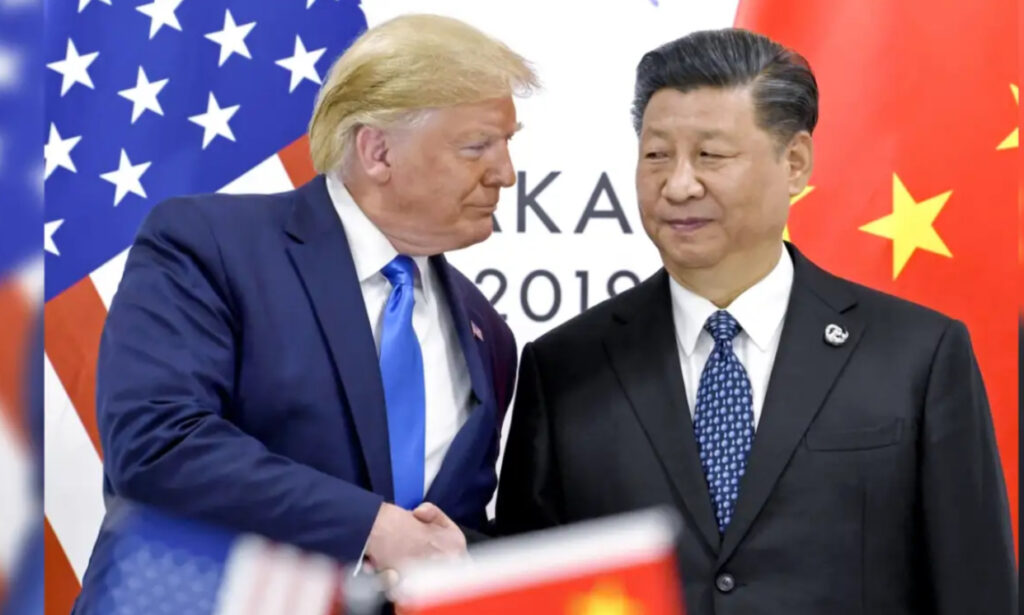
Just hours before the world’s two largest economies were set to hit each other with crushing new tariffs, Washington and Beijing have agreed to a 90-day extension of their trade ceasefire.
On Monday, President Donald Trump signed an executive order pushing the truce until November 10, keeping US tariffs on Chinese goods at 30% and China’s levies on American products at 10%. Beijing made its own announcement within hours, confirming the pause. Just hours before the US and China were set to unleash massive new tariffs, both sides extended their trade truce for 90 more days.
It’s a reprieve from the tariff spikes once threatened, 145% from the US and 125% from China,that earlier this year nearly froze trade entirely. The May talks in Geneva had already scaled those numbers back, but this extension buys negotiators more time to tackle “unfair trade practices” and a US–China trade deficit of nearly $300 billion in 2024.
The White House says the next round of talks will focus on:
- Opening China’s markets wider for US exporters
- Easing national security tensions
- Stabilizing the global semiconductor supply chain
China, for its part, urged the US to lift “unreasonable” restrictions and said that cooperation, not confrontation, is the “right path.”
But not everyone is celebrating. Some US business owners say the constant uncertainty makes planning impossible.
“There’s no way to plan for the future of the business,” said Beth Benike, founder of Busy Baby. “I have no idea what the tariff will actually be, so I can’t even set reliable prices.”
The truce comes after a turbulent year in US–China relations:
- April saw tariffs spiral into the triple digits, sparking near-total trade shutdowns.
- Rare earth access, chip export bans, and China’s purchases of Russian oil remain unresolved flashpoints.
- Trump recently eased restrictions on AMD and Nvidia sales to China — but with a catch: 15% of revenues must go to the US government.
Even with the ceasefire, trade has slowed sharply.
- US imports from China in June were down nearly 50% year-on-year.
- Exports to China in the first half of 2025 fell 20% compared with the same period in 2024.
For now, the guns of the tariff war are silent. But with the clock ticking toward November, both Washington and Beijing are racing to turn this fragile pause into something lasting, or risk plunging back into full-blown economic conflict.