One Earth, Three Fronts : A Chronicle of Defiance, Alliance, and Redemption
In the intricate weave of global events, some stories rise above the noise linked not by geography, but by the shared pursuit of something greater: survival, sovereignty, and solidarity.
In the lush heart of South America, Colombia takes a defiant stand not with weapons, but with roots. The Amazon, long scarred by greed and neglect, is breathing easier as the nation pushes back against deforestation. A 33% drop in forest loss isn’t just a statistic it’s a signal of redemption. Guided by Indigenous wisdom, backed by political will, and fueled by global urgency, Colombia is quietly proving that healing is still possible when preservation is prioritized over profit.
Thousands of miles away, in the turquoise waters off Australia’s northern coast, the arrival of Japan’s JS Yahagi marks more than a naval visit, it symbolizes a tectonic shift in regional power dynamics. As Japan and Australia draw closer in defense cooperation, their alliance becomes a quiet but powerful counterweight to rising tensions in the Indo-Pacific. Amid whispers of war and waves of uncertainty, these two democracies are choosing preparedness, partnership, and peace through strength. The docking of a ship becomes a docking of shared destiny.
And then, in Ukraine, sirens scream through the dark once more. Cities burn, civilians mourn, and yet a nation holds the line. Russia’s latest missile and drone assault isn’t just an act of war it’s a reminder that democracy, freedom, and dignity are still being violently contested in real time. Amid the rubble, Ukraine’s resistance burns brighter. Not as an act of revenge, but as a declaration of survival.
Three continents. Three stories. One truth: The world is in motion, and no battle be it environmental, political, or humanitarianexists in isolation.
These headlines are more than news, they are chapters of a global narrative unfolding before us. They ask us to pay attention, to care, and above all, to choose what kind of world we want to live in.
Will we defend what matters? Will we protect what’s left? Will we stand with those who still dare to hope?
Time, as always, will tell.
Ukraine Under Fire: Russia Launches Devastating Drone and Missile Assault on Urban Centers
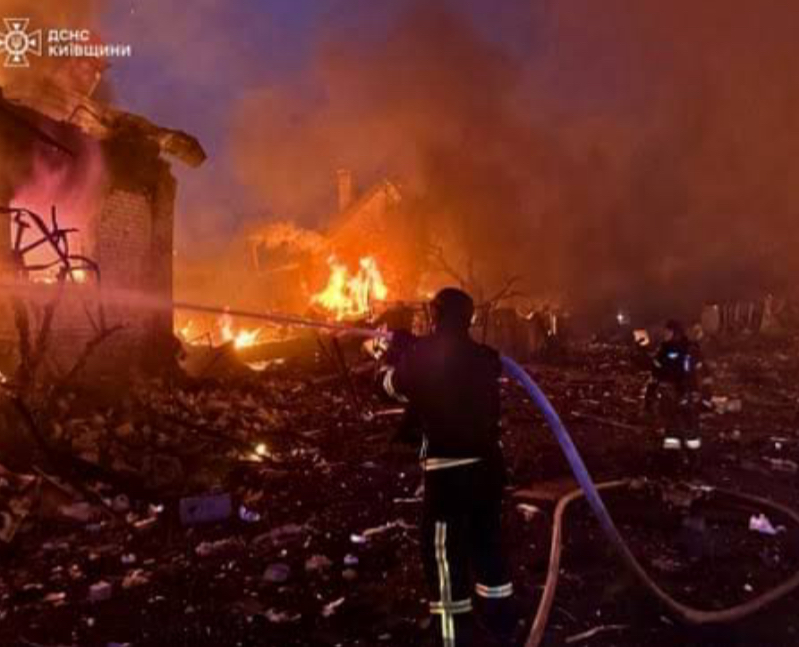
In a significant escalation of hostilities, Russia launched a major coordinated drone and missile barrage across multiple Ukrainian cities, killing at least six civilians and injuring dozens more. The attacks, which occurred in the early hours of the morning, targeted residential neighborhoods, critical infrastructure, and transportation hubs, leaving widespread destruction in their wake.
Ukrainian authorities reported that the cities of Kyiv, Kharkiv, and Dnipro were among the hardest hit. Air raid sirens wailed through the night as emergency services scrambled to rescue survivors trapped under rubble. Preliminary reports indicate that several apartment complexes, schools, and energy facilities sustained severe damage.
According to Ukraine’s Air Force, while some of the missiles and drones were intercepted, the sheer scale and speed of the assault overwhelmed existing defense systems. “This was one of the most intense bombardments we’ve seen in months,” said a spokesperson for the Ukrainian military. “They clearly aimed to sow fear and disrupt civilian life.”
President Volodymyr Zelenskyy condemned the attack as a “cowardly and deliberate act of terror,” calling on international allies to increase support for Ukraine’s defense capabilities. In response, the European Union and NATO members have reiterated their commitment to Ukraine, with discussions underway regarding the provision of additional air defense systems and humanitarian aid.
The Kremlin has not officially commented on the strikes, but Russian media sources suggested the attack was in retaliation for recent Ukrainian advances along the eastern front. Analysts warn this latest assault signals a potential intensification of the conflict as both sides gear up for a turbulent summer.
As the rubble is cleared and the dead are mourned, the people of Ukraine once again face the grim reality of a war that shows no signs of abating. For many, the night of terror serves as a stark reminder of the urgent need for lasting peace and the high cost of its absence.
Japanese Frigate Docks in Australia: Tokyo and Canberra Strengthen Defense Ties with Arrival of JS Yahagi in Darwin

In a move that underscores growing regional security cooperation, the Japanese Maritime Self-Defense Force’s frigate JS Yahagi docked at the Port of Darwin, Australia, marking a significant step in strengthening military and diplomatic ties between Japan and Australia. The visit is part of a broader effort by both nations to deepen naval cooperation and enhance interoperability in response to rising geopolitical tensions in the Indo-Pacific region.
The JS Yahagi, a state-of-the-art Mogami-class frigate equipped with advanced missile systems, anti-submarine warfare capabilities, and surveillance technology, arrived to a formal welcome by Australian defense officials and naval officers. The ship’s deployment to Darwin comes amid a series of joint training exercises and high-level defense dialogues aimed at countering increasing maritime challenges, particularly those posed by China’s expanding influence in the South China Sea and Taiwan Strait.
Australian Defence Minister Richard Marles emphasized the symbolic and strategic importance of the docking, stating, “The presence of JS Yahagi reflects the enduring friendship and mutual strategic interests shared by Japan and Australia. Together, we are committed to upholding a free, open, and rules-based Indo-Pacific.”
The visit includes several days of joint drills between the Royal Australian Navy and the Japanese Maritime Self-Defense Force, focusing on search-and-rescue operations, anti-submarine warfare, and coordinated maritime patrols. Naval officials also announced plans for increased personnel exchanges, collaborative maintenance efforts, and port visits throughout 2025.
Japan’s growing involvement in regional security initiatives aligns with its broader defense policy shift under the 2022 National Security Strategy, which encourages proactive contributions to peace in collaboration with key partners like Australia, the United States, and India under frameworks like the Quadrilateral Security Dialogue (Quad).
As both nations face evolving maritime challenges, from illegal fishing to territorial disputes and cyber threats, the docking of JS Yahagi in Darwin serves not only as a gesture of goodwill but as a concrete demonstration of their shared vision for a secure and stable Indo-Pacific.
This strategic alignment is expected to continue with upcoming naval exercises in the Coral Sea and joint participation in multinational operations later this year.
Colombia Tackles Deforestation: Amazon Forest Loss Drops by 33% in Early 2025 Amid Renewed Conservation Efforts
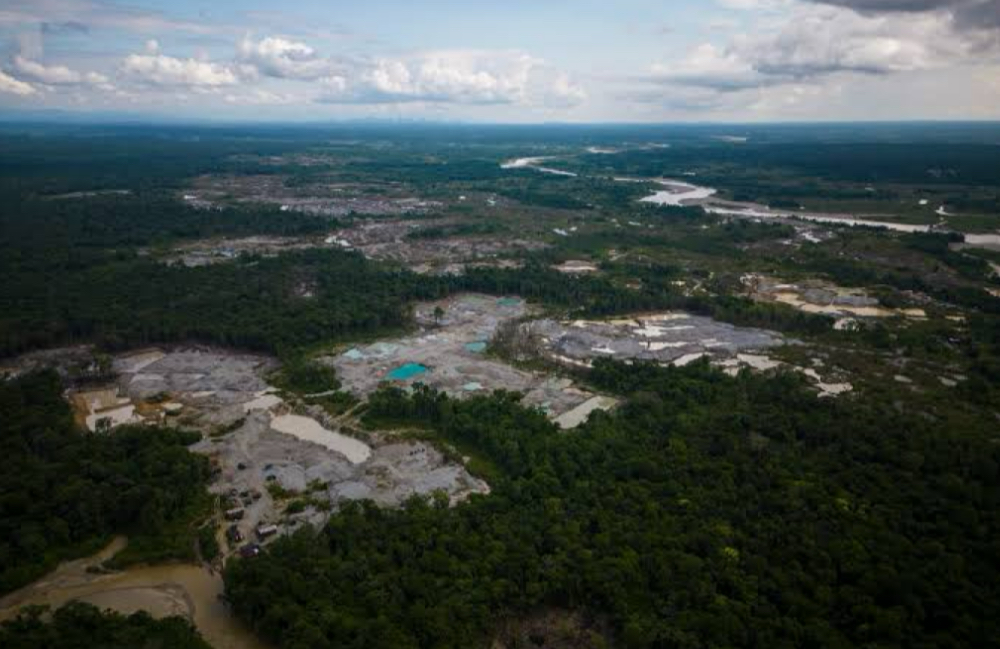
In a hopeful sign for global environmental preservation, Colombia has reported a significant 33% reduction in deforestation rates in the Amazon during the first quarter of 2025, compared to the same period in 2024. The announcement, made by the Colombian Ministry of Environment and Sustainable Development, highlights the impact of strengthened conservation policies and increased investment in environmental protection.
The reduction marks a major victory for President Gustavo Petro’s administration, which has prioritized environmental protection as a cornerstone of its national agenda. Under the leadership of Environment Minister Susana Muhamad, Colombia has ramped up efforts to combat illegal logging, land grabbing, and unregulated agriculture the primary drivers of forest degradation in the Amazon basin.
“This decline is not accidental,” Minister Muhamad stated during a press conference in Bogotá. “It is the direct result of coordinated action between local communities, government agencies, and international partners. We are proving that sustainable development and forest protection can go hand in hand.”
Key measures contributing to the decline include increased aerial monitoring of protected areas, stronger enforcement of environmental laws, and expanded support for Indigenous and Afro-Colombian communities who act as frontline guardians of the forest. The government has also invested in alternative economic opportunities for rural populations who traditionally relied on logging and cattle ranching, offering incentives to transition toward eco-friendly livelihoods such as agroforestry and ecotourism.
The international community has taken notice. Colombia’s progress has been praised by the United Nations Environment Programme and the World Wildlife Fund, both of which have partnered with the country on reforestation projects and climate finance initiatives. The European Union also renewed a multi-million-dollar grant this year to support Colombia’s national deforestation control strategy, Bosques para la Vida (Forests for Life).
Despite the positive momentum, environmental experts caution that sustained vigilance is necessary. “While a 33% reduction is impressive, it must be seen as the beginning, not the end,” said Dr. Laura Martínez, a conservation scientist at the University of the Andes. “The Amazon remains vulnerable to political shifts, economic pressures, and climate change.”
Colombia’s Amazon rainforest is a critical part of the global ecosystem, home to more than 3,000 species of animals and plants, and plays a vital role in regulating the Earth’s climate by absorbing vast amounts of carbon dioxide. As the world watches closely, Colombia’s success could serve as a model for other countries in the region and a reminder that with the right political will and community engagement, reversing environmental damage is possible.