BLACKSOLVENT FINANCE NEWS | 8TH OCTOBER,2025
Tides of Change: Inflation, Debt, and Central Bank Moves in the Global Economy
The global financial landscape is undergoing a delicate rebalancing act. After years of inflationary pressure, debt accumulation, and cautious monetary tightening, countries are beginning to navigate a new phase, one that calls for stimulating growth without reigniting inflation. Central banks are recalibrating policies, governments are exploring innovative financing tools, and investors are cautiously optimistic. From Africa to the Pacific, the mood is shifting: the fight against inflation is slowly being replaced by the quest for recovery. The following stories from Kenya, Nigeria, and New Zealand reflect how nations are shaping their economic destinies amid global uncertainty.
Kenya Cuts Interest Rates as Inflation Falls and Growth Outlook Improves
BY BLACLSOLVENT NEWS
Kenya’s financial system entered a new chapter on October 7, 2025, when the Central Bank of Kenya (CBK) announced a 25-basis-point rate cut, reducing its benchmark lending rate from 9.50% to 9.25%. This marked the eighth consecutive policy easing in less than two years signaling growing confidence that inflation is finally under control.
After enduring a period of high food and fuel costs caused by global supply shocks and local currency volatility, Kenya’s inflation rate has now cooled to 4.6% in September 2025, comfortably within the CBK’s target range of 2.5% to 7.5%. The central bank attributed this relief to improved agricultural output, stabilizing fuel prices, and prudent fiscal adjustments.
Economically, Kenya’s outlook is brightening. The bank raised its 2026 GDP growth forecast to 5.5%, up from earlier projections of 5.4%, and expects 2025 growth at 5.2%. This optimism is underpinned by strong performance in the agriculture and services sectors, especially tourism and financial technology.
However, challenges remain. Kenya’s public debt burden which stands at over 70% of GDP continues to cast a shadow over fiscal stability. To manage this, the government has been engaging in bond buybacks and refinancing strategies to smoothen repayment schedules. While lower interest rates are expected to ease borrowing costs for businesses and households, the CBK has cautioned against excessive credit expansion that might reignite inflationary pressures.
This policy move highlights a broader trend across Africa: as inflation stabilizes, central banks are beginning to prioritize economic growth and credit stimulation over aggressive tightening. For Kenyan consumers, this means cheaper loans and potential business expansion; for policymakers, it’s a test of timing and discipline.
Nigeria Turns to Global Debt Markets to Finance Growth and Stabilize Currency
BY BLACKSOLVENT NEWS
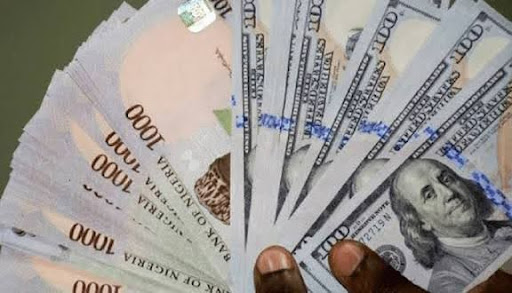
Nigeria, Africa’s largest economy, is taking a bold step to strengthen its financial footing. On October 7, 2025, President Bola Ahmed Tinubu sought parliamentary approval to raise $2.8 billion through a mix of $2.3 billion in new loans and a $500 million sovereign sukuk (Islamic bond). The goal: bridge fiscal deficits and refinance maturing Eurobonds due in November.
The move comes at a pivotal moment for Nigeria’s economy. Over the past year, the government has embarked on revenue reforms, exchange rate liberalization, and fuel subsidy removals all aimed at restoring investor confidence and strengthening public finances. These reforms, though painful in the short term, have improved Nigeria’s fiscal credibility, allowing it to re-enter the global debt market under more favorable conditions.
The decision to issue a sovereign sukuk rather than rely solely on traditional Eurobonds demonstrates a strategic diversification of financing sources. Sukuk, which complies with Islamic finance principles, attracts investors from the Middle East and Asia, expanding Nigeria’s investor base. It also typically offers lower borrowing costs and aligns with the country’s push to attract ethical and faith-based capital.
Analysts note that Nigeria’s total debt now exceeds $110 billion, with servicing costs consuming nearly 70% of government revenue. By accessing alternative financing tools, the government hopes to reduce dependency on short-term or high-interest loans.
Still, success hinges on execution. Nigeria must ensure that borrowed funds are channeled into productive investments such as infrastructure, energy, and manufacturing rather than recurrent expenditure. If managed well, this debt strategy could mark a turning point in Nigeria’s financial recovery, boosting liquidity, stabilizing the naira, and reinforcing fiscal confidence.
New Zealand’s Bold Rate Cut Signals Global Shift Toward Growth
BY BLACKSOLVENT NEWS
Across the Pacific, New Zealand’s Reserve Bank (RBNZ) surprised global markets on October 8, 2025, by slashing its official cash rate by 50 basis points to 2.50%, its lowest level in over three years. The move was sharper than expected, reflecting growing concern about the country’s slowing economy and weakening consumer demand.
After battling inflation for nearly two years, the RBNZ now faces the opposite problem: stagnant growth. Recent data shows that business confidence and household spending have fallen, while unemployment has ticked upward. Economists fear that without swift intervention, New Zealand could slip into a mild recession by early 2026.
While inflation remains slightly above the RBNZ’s 2% target, officials believe the risk of prolonged economic stagnation now outweighs inflationary threats. The central bank expects inflation to hover around 3.0% in Q3 2025 but gradually fall within the target range next year as global commodity prices stabilize and domestic demand weakens.
This rate cut also carries political implications. The government, under mounting pressure over rising living costs and sluggish recovery, has welcomed the move as a “confidence booster” for households and small businesses. Cheaper borrowing is expected to revive investment and housing demand, though critics warn it could also inflate asset prices and increase household debt levels.
Globally, New Zealand’s decision reflects a broader monetary pivot. As the United States and Europe keep rates steady, smaller economies are leading the easing cycle to protect growth. The RBNZ’s bold cut suggests that central banks are now more concerned about economic fatigue than inflation, marking a significant turning point in the global financial narrative.