FINANCE NEWS 4TH SEPTEMBER 2025
Shifting Sands in Global Finance
The financial world is currently caught in a tug-of-war between market forces, monetary policy, and geopolitics. The failed breakout of the USD/JPY pair signals growing uncertainty in currency markets, reflecting how fragile investor sentiment has become. At the same time, inflationary pressures in the Eurozone remind the world that the fight against rising prices is far from over, testing the resilience of households and policymakers alike. Meanwhile, U.S. tariff disputes have reemerged, sparking concerns about global trade fragmentation and supply chain instability. Taken together, these stories highlight a world economy under stress, one where currencies, inflation, and trade policy intertwine to shape both immediate market movements and long-term financial stability.
USD/JPY Outlook: Bearish Reversal Looms as 200DMA Breakout Fails
BY BLAKSOLVENT

The USD/JPY currency pair, often seen as a barometer of global risk appetite, has recently delivered a sobering reminder of market volatility. After briefly climbing above its 200-day moving average (DMA), the pair failed to hold its ground, slipping back into bearish territory. For traders and analysts, this technical failure signals more than just a charting anomaly; it reflects deep uncertainty about the direction of the global economy.
At the heart of the issue lies a tug-of-war between U.S. monetary policy and Japanese central bank strategy. The Federal Reserve, after months of aggressive rate hikes to curb inflation, has adopted a more cautious stance, leaving traders questioning whether the dollar can maintain its strength. Meanwhile, the Bank of Japan has taken steps, albeit cautiously, to adjust its ultra-loose monetary policy. For decades, Japan’s zero-interest-rate and yield curve control policies made the yen an attractive funding currency for carry trades. But with inflation rising in Japan, the BOJ faces pressure to shift course, and even minor policy changes can send shockwaves through currency markets.
Investors who once bet on a stronger dollar now face the possibility of a sustained yen rebound. The failed 200DMA breakout suggests that market participants are not fully convinced of the dollar’s long-term resilience, especially as U.S. Treasury yields show signs of peaking. Technical traders see the failed breakout as a bearish reversal signal, which could open the door for deeper corrections in the weeks ahead.
Beyond technicals, the USD/JPY narrative highlights broader questions about economic resilience. If the U.S. economy slows faster than expected, the Fed may have to cut rates sooner, weakening the dollar. Conversely, if Japan accelerates its policy shift, the yen could strengthen significantly, complicating global trade flows. The interplay of these dynamics ensures that USD/JPY remains a focal point for both traders and policymakers, serving as a mirror of the fragile balance underpinning the global financial system.
Eurozone Inflation Ticks Up, Reviving Policy Tensions
BY BLAKSOLVENT

In Europe, the inflation story refuses to fade. Recent data showing an uptick in Eurozone inflation has rattled both markets and households, reopening old debates about the effectiveness of the European Central Bank’s (ECB) monetary strategy. After months of gradual declines, consumer price pressures have resurfaced, underscoring the complexity of navigating an economy still reeling from energy shocks, supply chain bottlenecks, and fiscal constraints.
The drivers of the inflation rebound are multifaceted. Energy prices, though lower than their 2022 peaks, remain volatile, with geopolitical risks in Eastern Europe and the Middle East threatening supply stability. Food prices continue to strain household budgets, while wage growth spurred by labor strikes and worker demands for fair compensation adds a layer of stickiness to inflation. For the ECB, these dynamics complicate the path forward: tighten policy too much, and the fragile European economy risks slipping into recession; ease prematurely, and inflation could spiral back out of control.
Businesses across the continent are feeling the squeeze. From German manufacturers grappling with high input costs to Southern European households struggling with rising grocery bills, inflation is cutting across sectors and borders. Political consequences are also mounting, as governments face growing pressure to shield citizens from the cost-of-living crisis. Populist voices across Europe are using inflation as a rallying cry, threatening to destabilize the continent’s political fabric just as it seeks greater unity in the face of external threats.
For markets, the inflation uptick has reignited speculation about the ECB’s next move. Bond yields across the Eurozone have risen, reflecting expectations of prolonged policy tightening. The euro has also found some support, though concerns remain about the region’s overall competitiveness. In this environment, investors are reminded that Europe’s inflation fight is not merely about numbers on a chart, it is about the economic and political stability of one of the world’s largest trading blocs.
U.S. Tariff Disputes Rekindle Global Trade Fears
BY BLAKSOLVENT
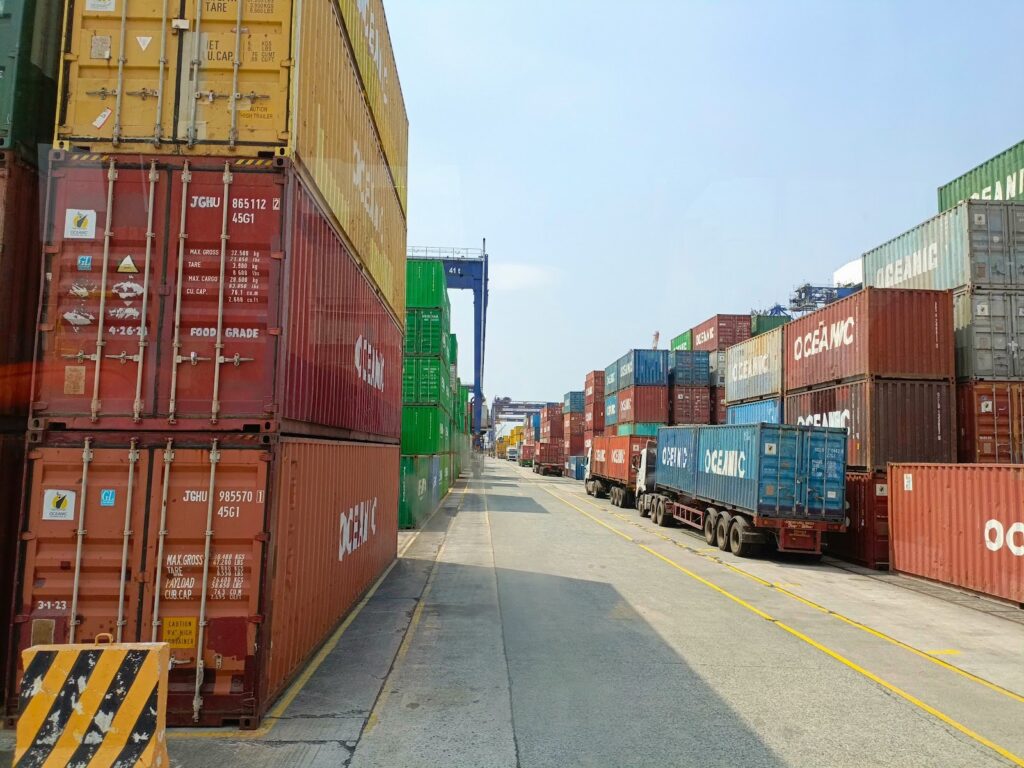
The specter of trade wars is once again haunting the global economy as the United States reignites tariff disputes with several key trading partners. At the core of the issue are concerns over manufacturing competitiveness, national security, and political positioning in the run-up to U.S. elections. While tariffs are often framed as tools to protect domestic industries, their broader consequences ripple far beyond American borders, disrupting supply chains and fueling uncertainty.
The latest disputes target a range of industries, from steel and aluminum to technology components and agricultural products. The White House has defended the measures as necessary to safeguard U.S. jobs and reduce reliance on foreign competitors. However, trading partners see them as protectionist barriers that undermine the rules-based global trading system. Retaliatory measures are already on the table, with European and Asian allies hinting at counter-tariffs that could escalate into another round of trade hostilities.
For multinational corporations, the uncertainty is costly. Companies that depend on cross-border supply chains now face higher costs and disrupted planning. Small businesses and consumers are not spared either; tariffs typically translate into higher prices, hitting household budgets already strained by inflation. Investors, meanwhile, worry that prolonged disputes could weaken global demand, destabilize equity markets, and add another layer of stress to an already fragile world economy.
The tariff disputes also carry geopolitical weight. By targeting specific sectors, the U.S. is sending signals about its strategic priorities, particularly in competition with China. Allies caught in the crossfire must balance their economic interests with diplomatic alignments, adding complexity to already strained global relations. As the disputes unfold, one thing is clear: tariffs may be designed as a domestic economic shield, but their global repercussions are profound, reshaping trade patterns and investor sentiment across continents.