BLACKSOLVENT FINANCE NEWS | 18TH SEPTEMBER,2025
Finance in Transition: Liquidity, Rates, and Market Ripples

This week, the financial world sits at a crossroads of relief and caution. On one hand, falling mortgage rates have reignited homeowner optimism, sparking a surge in refinancing. On another, the Federal Reserve has shifted its stance with the first rate cut in months, hinting at a softer path ahead for borrowing costs. Yet, beneath the optimism, cracks of short-term stress appeared as U.S. banks tapped the Fed’s repo facility at record levels to meet liquidity needs. Together, these stories reflect a financial system in motion, one balancing opportunity with vulnerability, and hinting at the delicate equilibrium central banks must maintain.
US 30-Year Mortgage Rate Drops, Refinancing Surges

By Blacksolvent News
In a development that could breathe new life into the U.S. housing market, the average 30-year fixed mortgage rate fell to 6.39% for the week ending September 12, 2025 marking the lowest level in nearly a year. The decline represents a significant shift for American homeowners and buyers who have spent the last two years grappling with high borrowing costs and affordability challenges.
The drop in rates has already had a dramatic impact on market activity. According to new data from the Mortgage Bankers Association, refinancing applications surged by approximately 57.7% in just one week, while the overall mortgage applications index climbed nearly 30%. For many homeowners who had been locked into higher-rate mortgages, the sudden dip created a rare opportunity to refinance at more favorable terms, potentially saving thousands of dollars in interest payments over the life of their loans.
Industry analysts point to several factors behind the easing rates. Softer inflation data, coupled with signs of a cooling labor market, has fueled expectations that the Federal Reserve will continue trimming interest rates in the months ahead. With the Fed already signaling a more accommodative stance, long-term borrowing costs like mortgage rates are beginning to reflect that shift.
The move also comes as the U.S. housing sector struggles with affordability concerns. Elevated home prices, combined with high mortgage rates, had sidelined many potential buyers since late 2022. The recent decline offers some relief, though experts caution that the benefits could be limited if housing supply remains constrained. Inventory shortages in many metropolitan areas mean that lower rates may drive competition and push home prices higher again.
Still, for homeowners and lenders alike, the rate drop is a welcome sign. Mortgage lenders, who had been reporting sluggish loan activity, are now seeing a surge in demand. Meanwhile, homeowners are seizing the opportunity to lower monthly payments, consolidate debt, or tap into home equity under more favorable terms.
Looking ahead, economists believe mortgage rates could continue trending lower if the Fed follows through with additional rate cuts. However, the pace of decline will depend heavily on inflation data and broader economic conditions.
For now, the message is clear: the tide may finally be turning in favor of borrowers, and the sudden refinancing boom underscores just how sensitive the housing market is to even modest shifts in interest rates.
Fed Cuts Interest Rates by 25bps, Signals More Cuts Ahead
By Blacksolvent News
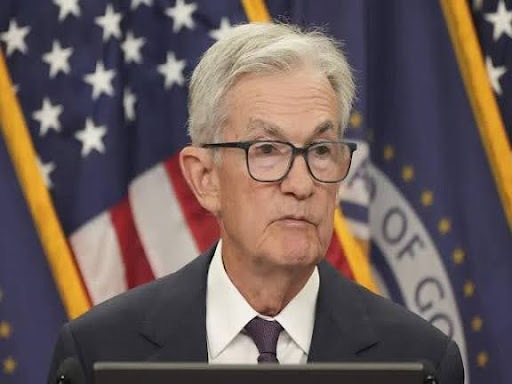
For the first time in nine months, the U.S. Federal Reserve has moved to lower borrowing costs, cutting its benchmark interest rate by 25 basis points on September 17, 2025. The decision brings the federal funds target range down to 4.00%–4.25%, marking a cautious but significant shift in monetary policy.
The move comes against a backdrop of slowing employment growth and persistent inflationary pressures. While job creation has cooled compared to the rapid pace of the last two years, wage growth remains elevated, and consumer prices particularly in housing and energy continue to challenge policymakers. The rate cut reflects the Fed’s effort to strike a delicate balance: supporting economic activity without reigniting inflationary momentum.
Federal Reserve Chair Jerome Powell emphasized that the decision was data-driven, pointing to evidence of weakening demand in certain sectors and tightening credit conditions faced by households and businesses. At the same time, Powell and other Fed officials hinted that the U.S. economy is not yet out of the woods, signaling that at least two additional rate cuts could follow later this year if mixed conditions persist.
Financial markets reacted swiftly, with stocks rallying on optimism that lower rates would ease borrowing costs for corporations and consumers alike. The bond market, meanwhile, adjusted expectations for further monetary easing, with traders now pricing in the likelihood of another rate reduction before the end of the year.
For consumers, the impact of the cut could begin to materialize in lower mortgage rates, cheaper auto loans, and more favorable credit card conditions. However, analysts caution that the transmission of monetary policy takes time, and any relief in household budgets may be gradual rather than immediate.
On the global stage, the Fed’s move is being closely watched by central banks worldwide. With Europe and parts of Asia also grappling with inflation and slowing growth, the Fed’s pivot could encourage other monetary authorities to consider easing measures of their own, fueling what some economists describe as a new cycle of global monetary loosening.
Still, the Fed’s path forward remains uncertain. If inflation proves more stubborn than anticipated, officials may be forced to slow the pace of cuts or pause altogether. Conversely, if the labor market weakens further, pressure will mount for more aggressive easing.
For now, the message is clear: after months of holding steady, the Federal Reserve is reopening the door to lower borrowing costs, signaling a renewed focus on stabilizing growth in a complex economic landscape.
U.S. Banks Tap Record $18.5 Billion From Fed’s Repo Facility Amid Funding Pressure
By Blacksolvent News
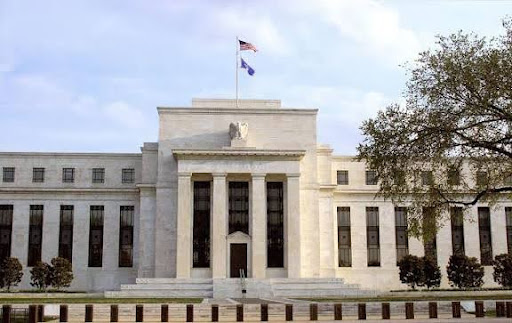
On September 15, 2025, U.S. banks turned heavily to the Federal Reserve’s Standing Repo Facility (SRF), borrowing a record $18.5 billion in a single day. The surge marks the highest usage of the program since its introduction in 2021 and highlights the tight funding conditions currently affecting short-term money markets.
The spike in borrowing was largely attributed to quarterly corporate tax deadlines and large Treasury debt settlements, both of which placed unusual pressure on bank liquidity. During these periods, corporations draw down deposits to meet tax obligations, while the government’s financing needs from Treasury auctions temporarily absorb cash from the system. Together, these factors reduce the availability of funds that banks typically rely on for day-to-day operations.
The SRF, designed as a backstop to ensure smooth market functioning, allows banks and dealers to borrow cash overnight in exchange for high-quality collateral, primarily U.S. Treasuries. By tapping the facility at this scale, banks signaled that private repo markets were tight, leaving them little choice but to turn to the Fed.
Analysts stressed that while the borrowing spike reflects short-term stress, it does not necessarily indicate systemic weakness in the banking sector. Instead, it underscores how sensitive funding markets remain to seasonal cash demands and government financing flows. Still, the record usage is being closely monitored by both regulators and market participants as a potential sign of fragility beneath otherwise stable surface conditions.
Some experts suggest that repeated heavy reliance on the SRF could become a concern if it signals persistent liquidity shortages rather than temporary strains. For now, however, expectations are that pressures will ease as tax payments settle and Treasury cash balances stabilize.
Financial markets took note of the development, with short-term repo rates briefly moving higher before normalizing later in the week. The episode highlights the critical role the Fed plays not just in setting interest rates, but also in acting as the lender of last resort in funding markets to maintain financial stability.
In the broader context, the record draw from the SRF comes just days before the Fed’s September 17 interest rate cut, adding another layer of attention to the central bank’s efforts to balance liquidity support with broader monetary policy goals. Together, these moves underscore the complexity of managing a financial system that remains vulnerable to sudden funding pressures even as it navigates shifting interest rate dynamics.