An economic slowdown: Navigating inflation curb
The global financial system is entering another tense chapter where central bank signals, inflation data, and wage trends are colliding in ways that will test policymakers and investors alike. In Washington, the voice of a prominent Federal Open Market Committee hawk is cutting through the market noise, warning that the U.S. fight against inflation is far from over. The statement comes at a time when Wall Street had started to price in a more dovish outlook, forcing traders to reassess interest rate expectations.
In Europe, Germany’s final Consumer Price Index data provides little relief, showing that inflation remains sticky even as energy prices cool. For the eurozone’s largest economy, these figures complicate the European Central Bank’s cautious stance, making the path toward rate cuts murkier than before.
Meanwhile, in Australia, the Wage Price Index reveals continued growth in worker pay. While households welcome the income boost, economists are wary that sustained wage pressures could keep inflation stubbornly high, prolonging the Reserve Bank of Australia’s restrictive policy. Together, these developments paint a picture of a global economy still wrestling with post-pandemic imbalances, where central bankers must navigate the thin line between curbing inflation and avoiding a deeper economic slowdown.
FOMC Hawk Signals Tougher Rate Path Ahead BY BLAKSOLVENT
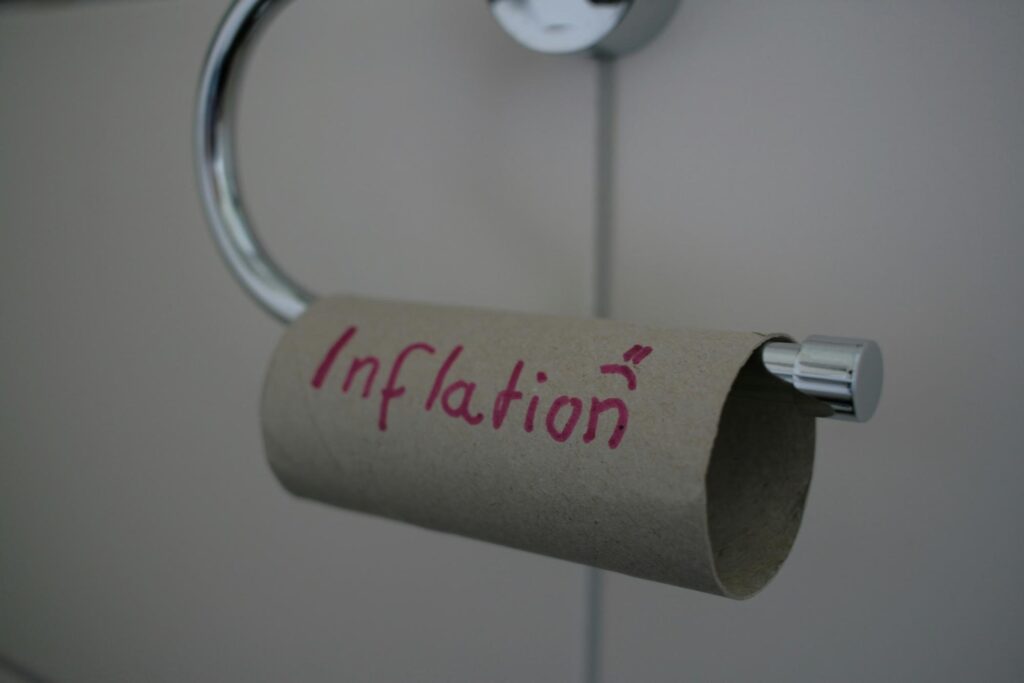
Germany’s final Consumer Price Index (CPI) readings for the latest month have confirmed that inflation remains stubbornly high, complicating the European Central Bank’s policy path. The data, released by Destatis, showed annual inflation holding at 3.1%, with the harmonized index of consumer prices (HICP), the ECB’s preferred measure matching preliminary estimates at 2.8%.
Although energy prices have eased compared to last year’s highs, the report revealed that food prices, rents, and services costs continue to climb, offsetting gains from cheaper fuel. Economists say this pattern reflects “second-round effects” where businesses pass higher wage and input costs onto consumers making inflation more difficult to bring down.
Markets had been looking for signs of a faster slowdown in price growth, especially after softer economic data from Germany’s manufacturing and export sectors. Instead, the persistence of core inflation reinforced expectations that the ECB may keep interest rates elevated well into next year.
The ECB’s dilemma is made worse by Germany’s sluggish GDP growth. The economy narrowly avoided a technical recession earlier this year, and business confidence surveys show little sign of a turnaround. “The ECB is walking a tightrope,” said one Frankfurt-based economist. “Cut rates too soon, and inflation could reaccelerate; keep them too high for too long, and you risk choking off what little growth there is.”
The inflation stickiness is also a political concern. German households have faced nearly three years of eroded purchasing power, with consumer sentiment surveys showing persistent pessimism. Policymakers in Berlin are under pressure to provide targeted relief without fueling further price growth, a balancing act complicated by fiscal constraints and the EU’s budget rules.
In bond markets, the data pushed German Bund yields slightly higher, as traders reduced bets on near-term ECB easing. The euro strengthened modestly against the dollar, benefiting from the perception that the ECB will maintain a more restrictive stance than previously anticipated.
For the broader eurozone, Germany’s CPI matters far beyond its borders. As the bloc’s largest economy, its inflation trends heavily influence ECB decision-making and market sentiment. If Germany’s inflation proves harder to tame, other member states may also face delayed monetary relief, even if their domestic price pressures are less severe.
Looking ahead, economists will be watching wage negotiation rounds in key sectors such as metalworking and public services. Strong pay gains could add fresh fuel to inflation, while weaker settlements might give the ECB some breathing space. But with geopolitical risks, including ongoing supply chain disruptions and energy market volatility inflation forecasts remain clouded.
For now, Germany’s final CPI release sends a clear signal: inflation is not yet vanquished, and the ECB’s fight is far from over.
Germany’s Final CPI Confirms Persistent Inflation Pressures BY BLAKSOLVENT

Germany’s final Consumer Price Index (CPI) readings for the latest month have confirmed that inflation remains stubbornly high, complicating the European Central Bank’s policy path. The data, released by Destatis, showed annual inflation holding at 3.1%, with the harmonized index of consumer prices (HICP), the ECB’s preferred measure matching preliminary estimates at 2.8%.
Although energy prices have eased compared to last year’s highs, the report revealed that food prices, rents, and services costs continue to climb, offsetting gains from cheaper fuel. Economists say this pattern reflects “second-round effects” where businesses pass higher wage and input costs onto consumers making inflation more difficult to bring down.
Markets had been looking for signs of a faster slowdown in price growth, especially after softer economic data from Germany’s manufacturing and export sectors. Instead, the persistence of core inflation reinforced expectations that the ECB may keep interest rates elevated well into next year.
The ECB’s dilemma is made worse by Germany’s sluggish GDP growth. The economy narrowly avoided a technical recession earlier this year, and business confidence surveys show little sign of a turnaround. “The ECB is walking a tightrope,” said one Frankfurt-based economist. “Cut rates too soon, and inflation could reaccelerate; keep them too high for too long, and you risk choking off what little growth there is.”
The inflation stickiness is also a political concern. German households have faced nearly three years of eroded purchasing power, with consumer sentiment surveys showing persistent pessimism. Policymakers in Berlin are under pressure to provide targeted relief without fueling further price growth, a balancing act complicated by fiscal constraints and the EU’s budget rules.
In bond markets, the data pushed German Bund yields slightly higher, as traders reduced bets on near-term ECB easing. The euro strengthened modestly against the dollar, benefiting from the perception that the ECB will maintain a more restrictive stance than previously anticipated.
For the broader eurozone, Germany’s CPI matters far beyond its borders. As the bloc’s largest economy, its inflation trends heavily influence ECB decision-making and market sentiment. If Germany’s inflation proves harder to tame, other member states may also face delayed monetary relief, even if their domestic price pressures are less severe.
Looking ahead, economists will be watching wage negotiation rounds in key sectors such as metalworking and public services. Strong pay gains could add fresh fuel to inflation, while weaker settlements might give the ECB some breathing space. But with geopolitical risks, including ongoing supply chain disruptions and energy market volatility inflation forecasts remain clouded.
For now, Germany’s final CPI release sends a clear signal: inflation is not yet vanquished, and the ECB’s fight is far from over.
Australia’s Wage Price Index Reveals Upward Pay Momentum BY BLAKSOLVENT

Australia’s latest Wage Price Index (WPI) data has revealed that employee pay packets are continuing to grow, providing some relief to households squeezed by higher living costs but also posing a fresh challenge for the Reserve Bank of Australia (RBA). The Australian Bureau of Statistics reported a quarterly WPI increase of 0.9%, bringing annual wage growth to 4.1%, slightly above economist expectations.
The rise was broad-based, with both the public and private sectors contributing. Public sector wages, in particular, saw their fastest growth in over a decade, partly reflecting new enterprise bargaining agreements and government pay adjustments. Private sector wages also climbed, fueled by skills shortages in healthcare, construction, and technology.
From a household perspective, the data is welcome news. After years of stagnant wages, workers are finally seeing pay increases that at least partially offset the inflationary squeeze on real incomes. For the RBA, however, the story is more complicated. Wage growth above 4% risks embedding inflation expectations, particularly if productivity gains do not keep pace.
RBA Governor Michele Bullock has repeatedly stressed the importance of ensuring that wage growth aligns with the central bank’s inflation target of 2–3%. “We are not against wage growth,” she said in a recent speech. “But it must be sustainable and supported by productivity improvements to avoid fueling a wage-price spiral.”
Financial markets reacted cautiously to the data. The Australian dollar strengthened modestly on the news, as traders speculated that the RBA might lean toward another rate hike to prevent wage-driven inflation from taking root. Bond yields edged higher, particularly at the short end of the curve, reflecting increased expectations of tighter policy.
Business groups have warned that sustained wage growth could increase cost pressures, particularly for small and medium-sized enterprises already grappling with elevated borrowing costs and input prices. On the other hand, unions argue that wage gains are necessary to restore living standards after years of underpayment relative to inflation.
The political backdrop is equally complex. The Australian government has made wage growth a central part of its economic agenda, pledging to support fair pay deals and strengthen collective bargaining. However, it must balance this with policies aimed at keeping inflation under control, such as targeted subsidies and infrastructure investments to boost productivity.
Looking forward, the RBA will be scrutinizing upcoming labor market data for signs that wage pressures are easing or intensifying. With unemployment still near historic lows and job vacancy rates high, the conditions for continued wage growth remain in place. If productivity fails to keep up, the central bank could face an even tougher policy trade-off in the months ahead.
For now, Australia’s WPI figures illustrate the delicate interplay between wages, inflation, and monetary policy, a dynamic that will define the RBA’s decision-making well into next year.