The Intelligence Behind the Shift: How AI Is Quietly Rewriting the Rules Across Industries
In a world increasingly shaped by intelligence both human and artificial, today’s headlines offer a glimpse into the forces redefining our future across healthcare, finance, and technology.
From hospital wards to cloud servers, artificial intelligence is proving to be more than just a buzzword. In medicine, it is helping doctors make life saving decisions in real time. In accounting, it is empowering professionals and entrepreneurs to move beyond manual systems and embrace smarter, data informed strategies. And in global markets, it is driving the next wave of cloud innovation as seen in Alphabet’s impressive leap forward.
What ties these stories together is a deeper narrative of transformation. They show us that innovation is no longer optional. It is the currency of relevance. Those who understand how to harness data and intelligence, like Mayegun Kabirat and the engineers behind Google Cloud, are not just responding to change. They are shaping it.
As the pace of technological progress accelerates, so does the responsibility to ensure it serves human needs. Whether predicting risk, optimizing business operations, or powering digital infrastructure, the real success will lie in how inclusive, ethical, and forward thinking this progress becomes.
New AI System Gives Doctors a Life Saving Edge in Managing Cirrhosis Cases

A new artificial intelligence tool is giving doctors the ability to better predict which patients with cirrhosis are at the highest risk of dying during hospital stays. The tool, developed by researchers at the University of California San Diego and recently published in Nature Medicine, could significantly transform how healthcare providers prioritize treatment and save lives.
Cirrhosis, a late stage of liver disease, remains one of the leading causes of death worldwide. Patients with this condition are often admitted to the hospital with a wide range of complications. Until now, doctors had to rely on general scoring systems that do not always reflect the real time risk for each individual.
The new AI tool uses advanced machine learning techniques to analyze thousands of variables from electronic health records. These include lab results, vital signs, comorbidities, and even unstructured clinical notes. The system continuously updates its predictions during a patient’s hospital stay, offering doctors a dynamic and more precise way to assess risk.
Smarter Decisions Faster
According to Dr. Naim Alkhouri, a liver disease specialist who was not involved in the study, “This kind of technology can give clinicians a real advantage. If we can know sooner which patients are heading for trouble, we can intervene more quickly or refer them to intensive care.”
One of the study’s key findings is that the AI tool was more accurate than conventional models like MELD or Child Pugh scores in predicting in hospital deaths. Researchers trained the model on data from more than 100 thousand patients across multiple hospitals and tested it on an entirely separate dataset to ensure reliability.
From Theory to Bedside
The system is not just a theoretical breakthrough. In pilot trials, hospitals using the AI tool saw a noticeable improvement in early interventions for high risk patients. Doctors received risk scores through their usual hospital dashboards, integrated into existing clinical workflows.
The development comes at a time when hospitals are under increasing pressure to provide high quality care with limited resources. Tools like this could allow better allocation of beds, closer monitoring of critical cases, and faster decision making for life saving treatments.
Ethical and Practical Questions
While the technology is promising, experts caution that implementation must be carefully managed. There are concerns about data privacy, algorithmic bias, and how doctors will interpret and act on AI recommendations.
Still, the research team is optimistic. “This is not about replacing doctors,” lead author Dr. Sanjay Reddy emphasized. “It is about giving them an extra tool to make more informed decisions that could change the outcome for patients.”
As health systems around the world explore the use of AI in clinical settings, this innovation marks a significant step forward in the integration of data driven medicine. With further validation and wider adoption, it could become a critical line of defense against one of the deadliest chronic illnesses of our time.
How Mayegun Kabirat is Using Data and Artificial Intelligence to Reshape the Future of Accounting
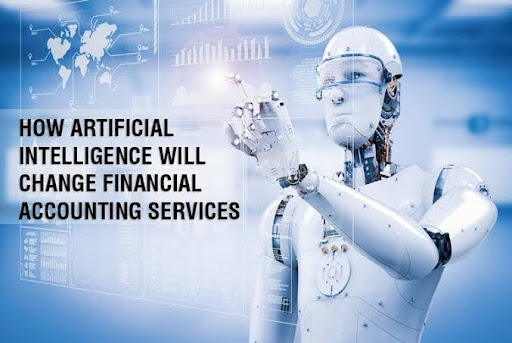
In a field often associated with spreadsheets and rigid systems, Mayegun Kabirat is leading a quiet revolution. By harnessing the power of data and artificial intelligence, the Nigerian financial strategist is reimagining what accounting can look like in the twenty first century.
As the founder and CEO of DigitAudit Solutions, Kabirat has built a platform that combines smart data analytics with machine learning to help businesses automate routine accounting tasks, detect anomalies in financial records, and make more strategic financial decisions. Her work is pushing the boundaries of what finance teams can achieve when technology becomes a trusted partner rather than just a back end tool.
From Manual to Intelligent Accounting
Traditionally, accounting has relied heavily on manual entries, human reconciliation, and lengthy audit procedures. Kabirat’s approach challenges that norm. Her AI powered tools automatically categorize expenses, flag inconsistencies in ledgers, and provide real time financial health insights.
“The numbers are only as useful as the story they tell,” Kabirat told Blacksolvent News. “We are building systems that help finance professionals move beyond just balancing books. We want them to become storytellers of business growth using clean, intelligent data.”
Smart Tools for Small Businesses
One of the most transformative aspects of Kabirat’s vision is accessibility. Rather than focus solely on large corporations, DigitAudit targets small and medium enterprises that often lack the resources for full scale financial teams.
Using simple interfaces and cloud based tools, even non accountants can manage cash flow, forecast trends, and prepare for audits without traditional complexity. In a landscape where financial literacy is a barrier to growth, Kabirat’s innovations are empowering business owners to take control of their finances.
More than Numbers
Beyond automation, the platform uses predictive modeling to help companies understand their future financial risks and opportunities. For instance, by analyzing seasonal trends and payment behaviors, the system can alert a business to possible cash flow shortfalls or recommend optimal times for reinvestment.
Kabirat believes that this shift is not just technological but cultural. “Data is not the future. It is the now. And any organization that is not leveraging it is already behind,” she said.
A Model for Africa’s Digital Economy
Kabirat’s work is being recognized beyond Nigeria. She was recently named one of Africa’s Top 50 Digital Economy Leaders by the Continental Tech Alliance. Her model is being explored by financial hubs in Kenya, Ghana, and South Africa as a blueprint for scalable digital finance infrastructure.
Her journey from accountant to tech founder also serves as inspiration for a new generation of African women entering the tech and finance sectors. With more startups emerging across the continent, Kabirat’s story is proof that data driven thinking is not just for engineers—it is for anyone with vision and the courage to reinvent old systems.
Alphabet Soars as Artificial Intelligence Investment Drives Major Growth in Cloud Revenue

Alphabet shares surged on Tuesday following a strong earnings report that showed its cloud business booming, thanks to a wave of artificial intelligence related spending by enterprise clients. The Google parent company reported better than expected revenue, with cloud computing emerging as a major engine of growth in its overall business portfolio.
The tech giant said revenue from its Google Cloud segment rose sharply in the second quarter of 2025, driven by a surge in demand for infrastructure and tools that support AI model training and deployment. As more businesses across industries adopt artificial intelligence solutions, they are turning to cloud providers like Google for the computational power and services they need to operate efficiently and scale.
Cloud Powered by Intelligence
Sundar Pichai, Alphabet’s CEO, noted during the earnings call that “We are seeing a strong and accelerating interest from customers to build and deploy AI powered applications. Our cloud infrastructure is built to meet these needs at scale.”
While Google Cloud has long trailed behind rivals like Amazon Web Services and Microsoft Azure in market share, its recent AI driven offerings have helped narrow the gap. With tools like Vertex AI and generative AI capabilities integrated across Google Workspace and enterprise solutions, the company is positioning itself as a serious competitor in the evolving cloud ecosystem.
Investors Respond with Confidence
The market responded enthusiastically to the news. Alphabet stock jumped more than 8 percent in after hours trading, adding billions of dollars to its market value. Analysts say the results reflect how crucial cloud and AI investments are becoming for big tech firms as traditional digital ad revenue slows.
“This quarter marks a turning point,” said tech analyst Maria Nwosu. “Alphabet is proving it can turn its AI research leadership into real commercial value.”
More Than Just a Trend
Alphabet’s performance is also seen as a broader indicator of how artificial intelligence is reshaping the tech sector’s financial outlook. As companies in healthcare, finance, education, and manufacturing integrate AI into their operations, demand for robust, secure, and scalable cloud environments will only grow.
With continued focus on AI product development, strategic partnerships, and cloud expansion, Alphabet appears poised to ride the next major wave of digital transformation—one powered not just by data, but by the intelligence that makes it actionable.