Threads of Humanity
Across continents and causes, three stories unfold differently in place, purpose, and pain yet bound by the enduring fragility of human lives and the choices that shape them.
Thousands of miles away in Germany, echoes of loss take a different shape. There, ancient coins once buried beneath centuries of soil were stolen from a museum in a heist straight out of a screenplay. The Celtic gold, dating to 100 B.C., vanished in just nine minutes, a calculated theft of Europe’s forgotten treasures. The conviction of three men brings justice, perhaps, but not closure. Most of the treasure remains lost, possibly melted down, perhaps hidden, a symbol of how easily history can be broken down for profit, and how quickly the sacred becomes expendable in the face of greed.
In Ghana, a gift of 2,000 metric tonnes of fertilizer from Morocco becomes more than a diplomatic gesture. It is a seed of solidarity, sown in the soil of shared ambition. As Ghana’s Feed Ghana Programme pushes toward food self-sufficiency, this act of goodwill from one African nation to another reminds us that transformation often begins with trust and that the future of nations may well rest in the hands of the farmers who till their land.
But even as one community prepares to plant, another in Ghana is left to bury. On a highway stretching from Juaso to Nkawkaw, time stood still when 15 young lives, vibrant and full of promise, were lost in a crash that left the Obogu Church shattered. Among the dead: the children of the church’s own pastor. From joy-filled songs at a youth congress to the sudden stillness of grief, Obogu’s story is a haunting reminder that even on the road to faith, tragedy can strike without warning. And yet, in mourning, the town finds a new kind of unity, one shaped not by ceremony, but by shared sorrow and resilience.
These three stories: one of hope, one of heartbreak, one of heist remind us that the narratives we build as nations and people are fragile, living things. They are shaped by acts of generosity, undone by moments of recklessness, and sometimes lost in the pursuit of wealth or revenge. Yet in each, there is a thread of human connection,the kind that urges us to plant more wisely, to drive more carefully, and to protect what is priceless, whether it lies in the soil, the spirit, or the shelves of a museum.
In the end, our greatest legacy may not be what we hold, but what we preserve for one another, and for the generations yet to come.
High-Stakes Heist: Three Jailed in Theft of Priceless Celtic Gold from German Museum
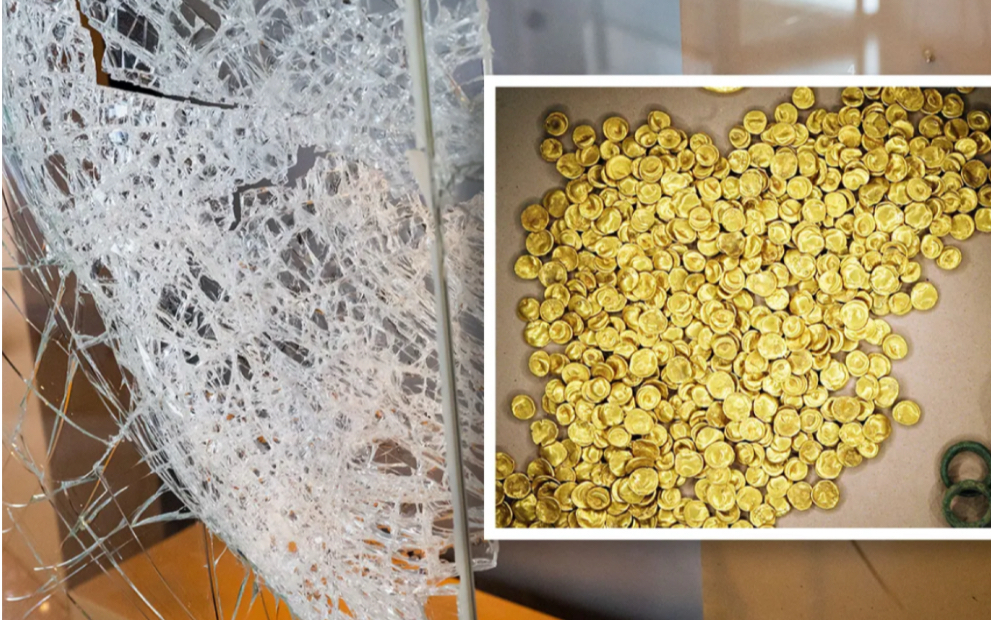
Three men have been sentenced to up to 11 years in prison for stealing nearly 500 ancient Celtic gold coins from a Bavarian museum in 2022. The coins, dating back to 100 B.C., were taken in a 9-minute break-in after the thieves cut local comms to disable alarms. Most of the treasure is still missing.
The Ingolstadt Regional Court in southern Germany handed down prison sentences of up to 11 years to the convicted thieves on Tuesday, finding them guilty of aggravated gang robbery. A fourth suspect was cleared of involvement in the museum theft but was convicted for separate burglaries carried out by the same group.
The group, believed to be based in northern Germany, executed the heist on November 22, 2022, targeting the Celtic and Roman Museum in Manching, Bavaria. Their prize: 483 ancient gold coins dating to around 100 B.C. discovered during a 1999 archaeological dig at the site of a once thriving Celtic settlement. The hoard, considered the largest Celtic gold find of the 20th century, had become a centerpiece of the museum’s collection until it vanished in minutes.
Authorities revealed that the robbers sabotaged local communications by cutting fiber optic cables at a nearby telecommunications hub, effectively disabling alarms and surveillance systems. Then, in a precisely timed nine-minute window, the gang broke into the museum and disappeared with the treasure without triggering a single alert.
Although the heist was executed with near military precision, it was not without a trail. Months later, police apprehended the suspects. During the arrests, investigators discovered molten gold fragments believed to be remnants of the original coins, fueling fears that the artifacts may have been partially melted down to mask their origins or sell as raw material.
Despite the convictions, the fate of the majority of the gold remains unknown.
Further investigations revealed that the defendants had links to a criminal network involved in a string of break-ins across Germany and Austria dating back to 2014, including ATM explosions and safecracking operations.
The men refused to testify throughout the six months trial, and their lawyers argued that the evidence did not definitively tie them to the Manching heist a claim the court ultimately rejected.
The theft sparked outrage among archaeologists, museum professionals, and cultural preservationists, many of whom warned that priceless heritage had been irreversibly lost.
“This wasn’t just a robbery, it was a cultural assault,” one museum official commented after the sentencing. “These coins tell the story of early European civilization. Their theft is a blow to our shared history.”
While justice has now caught up with the perpetrators, the whereabouts of most of the treasure remain a mystery, leaving historians and authorities hopeful for a future recovery and a reminder of the fragility of the past in the hands of the present.
Morocco Donates 2,000 Metric Tonnes of Fertilizer to Support Ghana’s Agricultural Transformation.
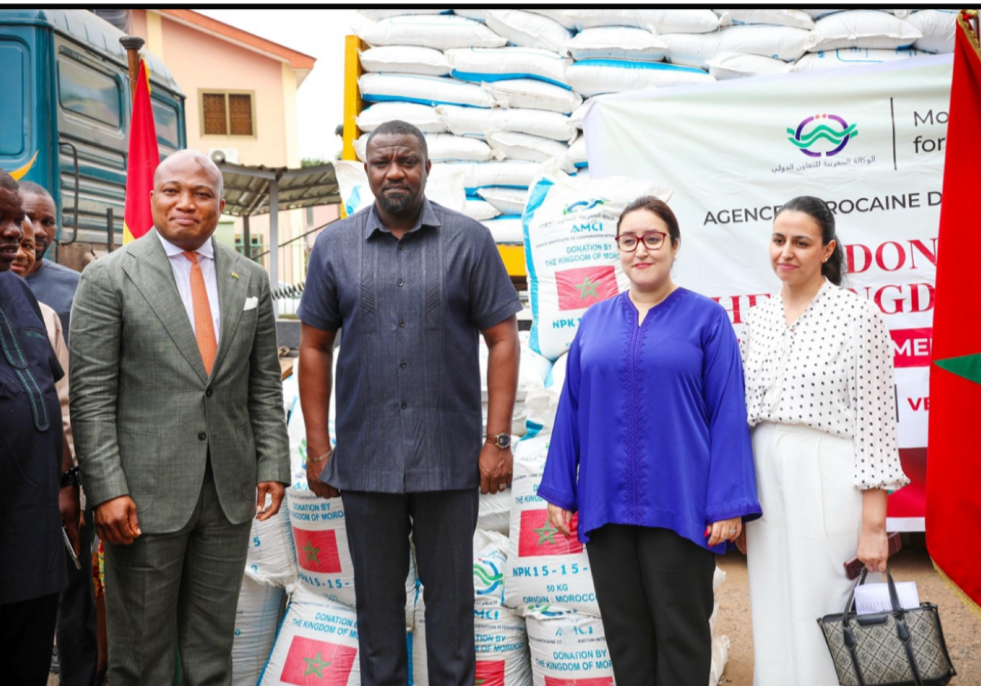
Ghana has received a major boost to its agricultural sector with the arrival of 2,000 metric tonnes of fertilizer donated by the Kingdom of Morocco. The consignment, officially handed over at a ceremony held at the Ministry of Food and Agriculture in Accra, marks a renewed chapter in agricultural cooperation between the two countries. The fertilizer support comes at a crucial time as Ghana intensifies efforts under its Feed Ghana Programme, a flagship initiative within the broader Agriculture for Economic Transformation Agenda (AETA). The programme is designed to improve food self-sufficiency, enhance farmer livelihoods, and build stronger agro-industrial systems nationwide. Minister for Foreign Affairs and Regional Integration, Hon. Samuel Okudzeto Ablakwa, described the donation as a concrete outcome of deepening diplomatic ties, following his official visit to Morocco in June. “This is not just a diplomatic gesture; it is a meaningful contribution to our national development,” Hon. Ablakwa stated. “It reflects the kind of results we want from our foreign policy partnerships that deliver real value for our people. Ghana and Morocco are entering a new era of strategic collaboration.” He further revealed that plans are underway for the joint development of a fertilizer production facility in Ghana, driven by both Ghanaian and Moroccan institutions. According to the Minister, this aligns with President John Dramani Mahama’s directive that international engagements must yield direct and measurable benefits for Ghanaians. “President Mahama has been clear: agriculture is the foundation of our development strategy. He wants to see Ghana become food-secure and self-reliant, and partnerships like this one are crucial to achieving that vision,” Ablakwa added. Delivering the fertilizer on behalf of the Moroccan government, Ambassador Imane Ouaadil reaffirmed Morocco’s commitment to strengthening South-South partnerships, as championed by King Mohammed VI. “This donation is part of a broader framework of solidarity and shared growth. We hope it contributes meaningfully to Ghana’s food security agenda and supports farmers in boosting productivity,” said Ambassador Ouaadil. Representing the Ministry of Food and Agriculture, Deputy Minister Hon. John Dumelo expressed heartfelt appreciation for the support, noting that many smallholder farmers in Ghana continue to face challenges accessing affordable fertilizer. “This intervention could not have come at a better time. It will directly support our scaling-up of input distribution in priority farming zones across the country,” Dumelo said. “We are committed to ensuring fair and transparent distribution so that every bag of fertilizer benefits the hardworking farmers who sustain our food systems.” He also emphasized that the donation fits squarely within Ghana’s long-term agricultural modernization strategy, one that prioritizes productivity, resilience, and knowledge sharing. “This is more than just a donation, it is an investment in the future of Ghanaian agriculture,” Dumelo concluded. The arrival of the Moroccan fertilizer is a significant step in strengthening food systems, supporting rural livelihoods, and reaffirming the power of global partnerships to deliver results at the grassroots level.

A tragic road crash along the Juaso-Nkawkaw stretch of the Accra-Kumasi highway has left the nation in mourning after 15 people, mostly children and teenagers, lost their lives in a devastating head-on collision on Monday, July 28, 2025.
The incident occurred around 2:00 PM when a fuel tanker, traveling from Kumasi toward Accra, reportedly burst a tire while overtaking another vehicle, causing it to veer into the opposite lane and crash directly into a Ford Transit bus transporting youth members of the Obogu Saviour Church. The bus was returning from a church congress held in Koforidua.
The force of the collision was so intense that the engine of the bus was dislodged, leaving the vehicle mangled beyond recognition. Emergency response teams, including personnel from the Ghana National Fire Service, Ghana Ambulance Service, and the Motor Traffic and Transport Directorate (MTTD), were immediately dispatched to the crash site for rescue and recovery operations.
Among the victims were the two children of the church’s Head Pastor, compounding the grief in the small town of Obogu, located in the Ashanti Region. The deceased were aged between 4 and 21 years, many of them active members of the church’s youth ministry.
Four other passengers sustained critical injuries and are currently receiving emergency medical attention at the Juaso Government Hospital, where the bodies of the deceased have also been deposited.
In an emotional interview with Adom News, church elder Kofi Baah recounted the moment the congregation was notified.
“The children left Obogu on Friday with joy and purpose, ready to worship. Then we received the call. Parents rushed to Juaso, only to meet tragedy. Some have lost two or three children. The entire town is shattered,” he said tearfully.
The accident has sent shockwaves through the Obogu community and beyond. Schools, churches, and local businesses in the area have suspended operations as the town observes a period of mourning. Candlelight vigils are being organized, and grief counselors have been deployed to support bereaved families.
The Juaso MTTD has launched a formal investigation into the incident, with a focus on determining the cause of the tanker’s tyre failure and assessing whether negligence or poor maintenance played a role.
The scale of the tragedy has reignited national calls for enhanced road safety measures, particularly on major transit corridors like the Accra-Kumasi highway, which continues to see a high number of serious accidents.
A Nation Reflects
This heartbreaking event is a sobering reminder of the vulnerabilities that persist on Ghana’s roads. As the families of Obogu prepare for mass burials, the country is once again confronted with the urgent need for stricter enforcement of transport safety regulations, especially for long-haul commercial vehicles.
- Ghanaians from all walks of life including religious leaders, government officials, and civil society actors have expressed condolences and called for tangible reforms to prevent future tragedies of this scale.