Tragedy, Tension, and Turmoil: How Transport Disasters, Geopolitical Standoffs, and Security Crises Are Shaping Global Headlines
In a single sweep from Europe to the Americas and the Arctic, the world’s headlines reveal a stark juxtaposition of calamity and conflict. A catastrophic train collision in southern Spain has plunged a nation into mourning and raised urgent questions about infrastructure safety. Across the Atlantic, diplomatic nerves are tense as unresolved disputes over Greenland’s strategic future continue to strain U.S.–European relations. In Central America, Guatemala’s declaration of a state of emergency highlights deepening challenges in the fight against organized crime and governance under duress.
Spain’s High-Speed Train Collision Leaves Scores Dead in One of Nation’s Worst Rail Disasters in Years

On the evening of January 18, 2026, Spain’s modern and expansive high-speed rail network long a source of national pride was rocked by one of its deadliest accidents in more than a decade when two passenger trains collided near the town of Adamuz in Córdoba province, killing at least 39 people and injuring hundreds more. The collision, which occurred on a newly renovated section of track between Málaga and Madrid, has unsettled a nation known for its efficient, technologically advanced rail infrastructure and prompted a national outpouring of grief as rescue and investigation efforts continue.
According to official railway reports, the two high-speed trains were travelling within permitted speeds when one derailed on a straight segment of track shortly after leaving Córdoba-Julio Anguita station and crossed into the path of an oncoming service bound for Huelva. The resulting impact caused both trains to leave the rails, with the Renfe-operated service suffering particularly severe damage; the first two carriages tumbled down an embankment, complicating recovery efforts. Local emergency services and the military were deployed to the scene under floodlights, where heavy machinery was required to extricate passengers and recover victims from mangled metal.
The passenger count on the involved services was significant, with nearly 500 people aboard both trains collectively. Authorities have reported that rescue and medical operations continued into Monday as a makeshift hospital was established at a sports centre in Adamuz to treat the injured, and relatives of missing passengers were asked to provide DNA samples in designated offices across Spain to assist with identification. Some survivors described scenes of chaos, citing shattered windows and the desperate scramble to exit wrecked carriages under the glare of emergency lights.
Prime Minister Pedro Sánchez immediately cancelled his scheduled engagements including a trip to the World Economic Forum in Davos to focus on disaster response and support for affected families. He also declared three days of national mourning as the government works with local authorities to assess the full human toll and provide aid. Regional President Juanma Moreno described the impact as “a night of deep pain,” emphasising the shock that such a dire event could unfold on a stretch of track thought to be safe following recent investment and renovation.
Transport Minister Óscar Puente has pledged full cooperation from the Ministry of Transport in a thorough investigation into the causes of the derailment, noting that both trains involved were well within safety parameters and had passed recent inspections. Officials have not ruled out mechanical faults or infrastructure issues as potential factors, but have stressed that conclusions will await technical analyses that may take weeks to complete. Pending these findings, high-speed services between Madrid and Andalucía remain suspended, heightening concerns over national rail safety oversight.
The scale of the tragedy has drawn reactions from international and domestic observers alike. Spain’s distinguished position in global high-speed rail operation makes the collision a rare and sobering event, raising questions about maintenance protocols, oversight, and emergency preparedness even in advanced transport systems. As investigations proceed, the accident is likely to reverberate through debates on infrastructure policy across Europe, underscoring the persistent tension between technological confidence and operational risk.
U.S.–Europe Diplomatic Strains Persist as Trump Administration and Danish Officials Continue to Differ Over Greenland
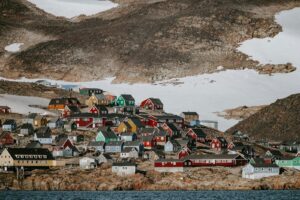
Tensions over the strategic Arctic territory of Greenland remain unresolved as diplomacy continues between the United States and Denmark, illustrating persistent friction in a complex geopolitical issue that has drawn international attention. Relations between the parties were once again in the spotlight in January 2026 when Danish and Greenlandic officials engaged with senior U.S. counterparts in Washington, underscoring that disagreements over the island’s governance and strategic value have not abated.
The dispute, rooted in the second presidency of former U.S. President Donald Trump, stems from constructive but controversial moves by the U.S. to assert greater influence over Greenland, a semi-autonomous territory of Denmark with significant strategic importance in the Arctic. Greenland’s location and natural resource potential have made it a focus of great-power interest, particularly as climate change opens new trade and military pathways in the region. However, local and Danish authorities have repeatedly emphasised that Greenland’s future must be determined by its own people and in consultation with Denmark, rather than by external pressure.
In recent diplomatic meetings held in Washington, Danish Foreign Minister Lars Løkke Rasmussen and Greenland’s Foreign Minister Vivian Motzfeldt reiterated their position that sovereignty and the political will of Greenland’s residents must remain central to any discussions about the island’s status. Their statements indicated that Denmark and the U.S. continue to “differ” on key aspects of policy regarding Greenland’s governance and strategic role, a reflection of unresolved tensions that have dogged bilateral discussions for over a year.
The issue has also drawn attention from other European capitals and NATO partners, many of whom view the Arctic as a critical frontier for security and economic interests. Some allies have expressed concern about unilateral actions that could disrupt established alliances and challenge the norms of international cooperation. Luxembourg and other European officials have publicly criticised unilateral moves seen as undermining allied consensus, framing the debate as an issue of mutual respect and international rule-based order.
For Greenland itself, the diplomatic brouhaha has mixed implications. On one hand, heightened interest from global powers underscores the territory’s strategic significance; on the other, local political leaders emphasise that Greenland’s development and self-determination should not become collateral in larger geopolitical contests. Public opinion within the territory has remained nuanced, with many citizens prioritising economic opportunities and autonomy over external political manoeuvring.
As representatives from all three governments continue to engage, the Greenland standoff serves as a reminder that even longstanding alliances can be tested by competing interests in strategically sensitive regions. With negotiations ongoing and no clear consensus yet, Greenland’s role in Arctic geopolitics remains a live and evolving story in international relations.
Guatemala Declares Nationwide State of Emergency After Deadly Gang Violence and Prison Riots

Guatemala’s government has declared a 30-day nationwide state of emergency (often described as a state of siege) in response to an unprecedented wave of gang violence that has shaken the Central American nation, leading to coordinated prison riots, hostage crises, and the deaths of multiple police officers over the weekend of January 17–18, 2026. The measure, intended to empower authorities to confront entrenched criminal networks, underscores the severity of the security crisis facing the country.
The unrest began when inmates at three major detention centres, including the Renovación maximum-security prison in Escuintla, staged coordinated riots and took dozens of guards and staff hostage. Reports indicate that at least 46 prison workers were held captive by gang members demanding concessions for incarcerated leaders, including reduced security restrictions. Security forces responded with force, and by Sunday authorities had regained control of all three facilities after intense operations involving anti-riot police and military units.
The initial efforts to secure the prisons were followed by a wave of retaliatory attacks outside prison walls, particularly around Guatemala City. Armed members of criminal organisations including the powerful Barrio 18 and Mara Salvatrucha gangs launched coordinated assaults on police units, resulting in the deaths of at least seven officers and injuries to several others in multiple incidents. Government authorities characterised these attacks as acts of terrorism and retaliation against the state’s crackdown on organized crime.
In response to the violence, President Bernardo Arévalo declared a nationwide state of emergency, granting security forces expanded powers to detain and question suspects without warrants, restrict public assembly, and mobilise military support to maintain public order. While the measure still requires approval from Guatemala’s legislature, it took immediate effect amid escalating tensions and has already prompted significant changes in public safety protocols, including the suspension of school classes and heightened security patrols.
Interior Minister Marco Antonio Villeda, speaking from the capital, emphasised that the government would not negotiate with criminal groups and vowed to use all available resources to dismantle gang networks that have long plagued Guatemala with high levels of violence and impunity. He framed the current escalation as a direct response to intensified enforcement actions and as evidence of the state’s commitment to restoring order.
The declaration of emergency reflects broader concerns about organised crime’s ability to coordinate across institutions, exploit weaknesses in the prison system, and challenge state authority. Analysts suggest that the sharp escalation in violence could have ripple effects across Central America, where gang violence has already contributed to migration pressures, economic instability, and regional insecurity.