BLAKSOLVENT GÉNÉRAL NEWS- 22/12/25
Crossroads of Conflict and Consensus
As 2025 draws to a close, the global order finds itself at a crucial juncture. From shifting economic terrain shaped by trade realignments, through the embattled frontlines of prolonged conflict, to the heart of domestic institutions striving for equilibrium, the world grapples with complexity and change. These stories of tariff upheavals that redraw economic maps, of diplomacy tested by war’s endurance, and of essential services seeking consensus for survival reflect a shared search for stability in uncertain times. In this era of interconnected crises and cautious cooperation, how societies navigate discord and dialogue may define the early years of the next decade.
U.S. Tariff Shifts and Global Trade Uncertainty
BY BLAKSOLVENT NEWS
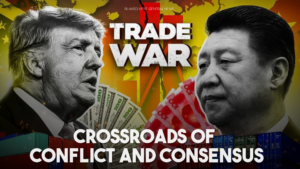
In 2025, the return of Donald Trump to the White House reshaped global trade dynamics in ways that economists and political analysts say will reverberate into 2026. Over the past year, the U.S. government instituted significant tariff increases on key trading partners, raising the nation’s average tariff rate to nearly 17 %, a level not seen in decades. These changes were introduced as part of a broader protectionist policy aimed at reducing trade deficits and encouraging domestic manufacturing. While the tariffs generated additional revenue nearly $30 billion monthly they also sparked friction with longstanding partners and competitors worldwide.
European Union, United Kingdom, and Japan negotiators engaged in intensive talks to mitigate the trade disruptions, ultimately forging partial agreements to maintain certain market access. However, no comprehensive U.S.–China trade framework was reached by year’s end, leaving one of the world’s most critical bilateral trading relationships in a state of ambiguity. Economists caution that without a solid agreement, supply chains may continue adjusting, leading to higher costs for consumers and businesses globally.
Financial markets reacted strongly to these developments: global indices experienced volatility as investors weighed the impact of tariffs against corporate earnings and broader economic signals. In the United States, consumer spending remained robust, buoyed by continued investment in technology sectors particularly artificial intelligence which helped temper the contraction expected from trade pressures. Still, analysts warn that legislative and judicial reviews of tariff legality including potential U.S. Supreme Court rulings could introduce fresh uncertainty early next year.
Beyond economics, the shifts in trade policy carried political consequences. Some nations attempted to reposition their alliances, leveraging new trade negotiations to secure better access to U.S. markets, while others turned toward intra-regional trade agreements to diversify risk. Policy debates continue over whether these tariffs strengthen national industry or simply redistribute economic strain. As 2026 approaches, global stakeholders are preparing for potential ripple effects from these trade realignments.
Rising Tensions and Power Struggles: Russia–Ukraine Diplomacy and Security Incidents
BY BLAKSOLVENT NEWS
As the year closes, renewed attempts at diplomacy over the ongoing Russia–Ukraine conflict have surfaced amid persistent military tension. On December 19 and 20, 2025, U.S. officials held separate discussions with delegations from Ukraine, European countries, and Russia in Miami, aiming to explore avenues for reducing hostilities. These meetings, although not yielding a formal ceasefire, are seen as efforts to keep diplomatic channels open after prolonged stalemate and battlefield pressures.
Simultaneously, military engagements continue to mark the conflict. Ukraine has intensified its defensive capabilities, deploying advanced, cost-effective technologies to neutralize hostile drones and strengthen its air defense network. These systems reflect both domestic innovation and international assistance, helping Ukrainian forces counter persistent aerial threats. Observers say this tactical evolution may influence future engagements and bargaining positions at the negotiating table.
Amid these tensions, geopolitical leaders are also maneuvering on broader diplomatic fronts. At the European Council press conference in December, European Commission President Ursula von der Leyen reiterated commitment to a “just and lasting peace” for Ukraine, citing coordinated actions and support measures for Kyiv. Although achieving consensus across all member states remains challenging, the European bloc emphasizes unity in backing Ukraine’s sovereignty and territorial integrity.
In parallel, security concerns are compounded by violent incidents behind the lines and on home soil. A high-ranking Russian general was reported killed in a car explosion in Moscow , a development that underscores the internal and external pressures faced by Russian authorities amid continued conflict and international scrutiny. While details about responsibility remain unclear, the assassination highlights the unpredictable security landscape as the war enters another winter without resolution.
England’s Healthcare Dispute: Doctors Resume Talks to Avert Strikes
BY BLAKSOLVENT NEWS
In the United Kingdom, healthcare tensions escalated in December 2025 as resident doctors, who had staged a nationwide five-day strike, announced they would resume negotiations with the government in a bid to prevent further industrial action into 2026. The walkout one of the most disruptive in recent NHS history stemmed from longstanding disputes over real-terms pay cuts accumulated over more than a decade and the failure to align wages with rising living costs.
The British Medical Association (BMA) framed the renewed discussions as taking place in a “can-do spirit,” emphasizing the urgency of bridging differences to ensure the NHS’s stability. The government, represented by Health Secretary Wes Streeting, has repeatedly emphasized the importance of negotiation and avoiding future strikes but has maintained political resistance to proposals that would rapidly restore pay to 2008 real-terms levels.
Underlying the dispute are deeper systemic issues: the NHS is confronting severe workforce shortages, burnout, and service pressures, especially during the winter flu season. Resident doctors argue that without a multi-year, sustainable plan that includes competitive pay and expanded training opportunities, the healthcare system risks further erosion of capacity and morale. Negotiators say future talks will address these structural concerns alongside immediate compensation.
Public reactions have been mixed. Patient advocacy groups express frustration over service disruptions, while healthcare professionals underscore the essential nature of their demands in preserving the NHS’s long-term functionality. As the UK enters 2026, the progression and outcome of these talks could set precedents for labor relations across public sectors, especially in vital services like healthcare.