BLACKSOLVENT GÉNÉRAL NEWS -21/10/25
Shifting Fault Lines

As the world enters a phase of renewed uncertainty, three stories emerge that reflect different dimensions of the disruption: one in technology and infrastructure, one in global health and financing, and one in energy and geopolitics. What links them is the theme of “Shifting Fault Lines” moments where existing systems buckle in response to new pressures, whether from markets, disease, or geopolitics.
When the Clouds Go Dark: Global Tech Giant Outage Exposes Digital Fragility”
BY BLACKSOLVENT NEWS

On October 20, 2025, Amazon Web Services (AWS) — the backbone of a significant portion of the internet’s infrastructure experienced a major outage in its US-EAST-1 region. This caused widespread disruptions: retail systems paused, social platforms skipped messages, banking functions stalled, and essential services like DNS and server deployment failed.
The root cause was traced to database and queue-system failures (DynamoDB, SQS) and DNS issues not a cyber-attack but an internal systems fault.
What this shows is how deeply global economic and social systems depend on a handful of technological underpinnings. Governments and regulators are already asking how resilient those systems are, and whether diversification and oversight are overdue.
What to watch: Will this trigger broader regulation of cloud infrastructure providers? Will companies accelerate multi-region/back-up strategies? And will a perceived “single point of failure” in the digital economy attract broader attention?
Malaria’s Return: Funding Cuts Threaten a Deadly Resurgence in Africa”
BY BLACKSOLVENT NEWS

A new analysis warns that cuts to funding for the Global Fund to Fight AIDS, Tuberculosis and Malaria could lead to one of the most deadly malaria resurgences in decades. If international contributions drop by ~20 %, Africa could see ~33 million extra malaria cases, ~82,000 additional deaths, and over $5 billion lost in GDP through 2030.
This comes at a time when malaria control is already under strain from climate change accelerating transmission, humanitarian crises disrupting services, and growing biological resistance to older interventions.
The risk is that gains made over the past decades could be reversed, with health, economic and social implications.
Will donor nations respond to the warning and restore/expand funding? How will African health systems adapt if the funding gap grows? And what are the indirect consequences (education, productivity, economic growth) of a malaria resurgence?
“Oil Slips as Supply Gluts and Trade Woes Meet the Energy Cross-Currents”
BY BLACKSOLVENT NEWS
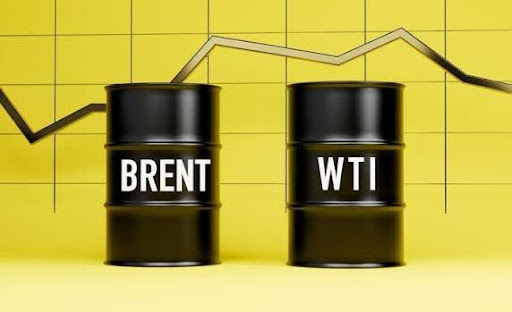
On October 20, 2025, global oil benchmarks hit five-month lows—Brent Crude and WTI both declined as concerns mounted that a supply glut is building and demand is weakening, particularly amid rising US–China trade tensions and increasing crude stockpiles.
Notably, futures markets entered “contango” (where later-dated contracts trade at a premium), signalling market expectations of further storage and oversupply.
This shift matters not just for oil companies but for petrostates, debt-laden economies, energy transition planning, and global finance. The old assumption of “ever-rising oil demand” may be under stress.
Will major oil-producing countries respond with production cuts or strategic shifts? How will energy transition plans adapt to this slack demand? And what will be the ripple effects for economies dependent on oil revenues?