BLACKSOLVENT AI NEWS | 09/10/25
Shifting Currents: How Central Banks, Capital Flows, and Corporate Power Are Rewriting Global Finance
The global financial system in 2025 is a story of recalibration. As growth slows and inflation pressures ease, policymakers, investors, and corporations are all repositioning for what feels like the beginning of a new cycle. Some are cutting rates to reignite demand, others are watching capital flee to safer havens, and still others are consolidating to withstand future shocks.
From New Zealand’s daring monetary pivot to shrinking investor confidence in emerging markets and HSBC’s bold move to absorb Hang Seng Bank, the world’s financial heartbeat is shifting slower in rhythm, but heavier in consequence.
The Rate Cut Heard Across the Pacific: New Zealand’s Bold Monetary Shift
BY BLACKSOLVENT NEWS

In a surprise move that sent ripples through Asian markets, the Reserve Bank of New Zealand (RBNZ) slashed its official cash rate by 50 basis points to 2.5%, marking its sharpest single reduction in three years. The decision, announced in early October 2025, exceeded analysts’ expectations and immediately positioned New Zealand as one of the first advanced economies to pivot aggressively toward stimulus.
The RBNZ’s reasoning was simple yet sobering: growth had slowed, confidence was weakening, and the job market once overheated was showing signs of fatigue. Inflation, which once hovered uncomfortably above the central bank’s target, has now fallen within range, giving policymakers the room they needed to act.
Governor Adrian Orr stated that the cut was “a pre-emptive move to sustain domestic demand,” signaling that the bank prefers to move early rather than risk a recession. Yet, investors remain cautious. The New Zealand dollar fell against major currencies following the announcement, reflecting concern that the economy might be weaker than data suggests.
Still, the RBNZ’s move underscores a broader global theme: monetary flexibility is back. As the U.S. Federal Reserve and other central banks deliberate their next steps, New Zealand’s cut could mark the beginning of a new wave of global rate adjustments one defined less by inflation control and more by growth defense.
Emerging Markets Lose Their Shine: The Fall of Foreign Inflows
BY BLACKSOLVENT NEWS
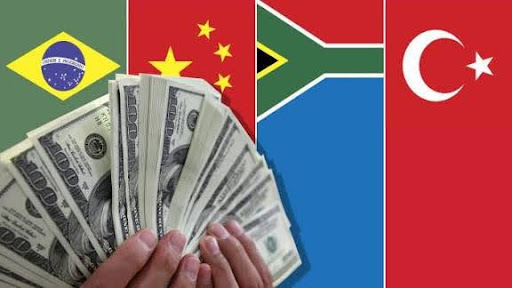
While New Zealand embraces stimulus, developing nations are facing a different problem capital retreat. A new report from the Institute of International Finance (IIF) revealed that foreign portfolio inflows into emerging markets plunged to US$26 billion in September 2025, down nearly half from August’s figure of US$47.1 billion.
The report attributes the decline to several intertwined factors: slowing global demand, a stronger U.S. dollar, and renewed investor anxiety over China’s sluggish economy. Chinese equities saw their largest outflow since November 2024, while even its debt markets typically viewed as stable recorded their first net outflow since January.
Outside China, select emerging markets like India and Brazil continued to attract modest inflows thanks to relatively strong fundamentals and high real interest rates. But the overall trend was clear: global investors are becoming selective, cautious, and quick to retreat at the first sign of instability.
This shift carries heavy consequences. Less capital means fewer funds for infrastructure projects, limited liquidity for governments, and higher borrowing costs for corporations. For countries reliant on external investment, the ripple effects could slow development, weaken currencies, and even strain social spending.
In essence, capital is no longer chasing the promise of growth alone it’s chasing security. And for many emerging economies, that shift could mean the difference between recovery and stagnation.
HSBC’s Billion-Dollar Move: Power Consolidation in Uncertain Times
BY BLACKSOLVENT NEWS
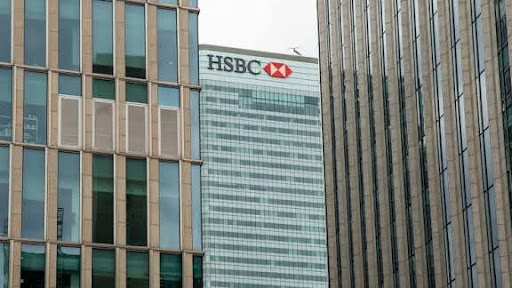
As governments and markets adjust to volatility, corporations are doing the same not by retreating, but by consolidating. HSBC Holdings, one of the world’s largest banking groups, made headlines this month with an all-cash HK$106 billion (US$13.6 billion) offer to acquire full control of Hang Seng Bank, its long-time affiliate in Hong Kong.
HSBC currently owns around 63% of Hang Seng but intends to buy out remaining shareholders and delist the bank entirely. The goal, according to the company, is to simplify its structure, improve efficiency, and unlock synergies between its retail operations and global investment divisions.
This decision comes amid a fragile financial backdrop in Hong Kong, where weak property markets and rising loan defaults have pressured local banks. Hang Seng’s non-performing loan ratio now stands at about 6.7%, among the highest for major lenders in the region. By absorbing Hang Seng, HSBC hopes to strengthen risk control and streamline its decision-making amid growing uncertainty.
However, analysts warn of risks. Integrating Hang Seng’s operations could prove challenging, both culturally and technologically. There’s also growing concern that consolidation could reduce banking competition in Hong Kong giving large institutions even more control over the city’s financial ecosystem.
Still, the deal is emblematic of a larger trend: in times of volatility, giants get bigger. For HSBC, this acquisition isn’t just about dominance; it’s about survival through scale.