FINANCE NEWS 10TH SEPTEMBER 2025
Shifts in the Financial Landscape
Finance has always been a story of cycles, speculation, and the search for opportunity. The current moment illustrates that perfectly: in Washington, investors are hanging on every word of the Federal Reserve as speculation grows over possible interest rate cuts that could reshape global liquidity. In London, Appian Capital Advisory has launched a new mining fund aimed at Africa, betting that the continent’s natural resources are central to the next growth wave in energy and infrastructure. Meanwhile, in Cairo, Telecom Egypt’s strategic partnership with Helios Towers signals a different kind of transformation, this time in digital infrastructure, where data centers are becoming as valuable as oil fields once were. Together, these stories connect the dots of a financial system in transition: from monetary policy that moves markets, to private capital eyeing untapped resources, to the infrastructure of the digital age. Finance is not a single narrative, it is a constellation of forces where every cut, every investment, and every partnership has ripple effects far beyond borders. The world’s economies are not just watching these moves, they are already being reshaped by them.
Federal Reserve Rate Cut Speculation Sends Markets into a Frenzy
BY BLAKSOLVENT
Speculation about the Federal Reserve’s next move has once again taken center stage in global finance, as traders and economists debate whether the U.S. central bank is preparing for rate cuts in response to signs of a slowing economy.
Recent inflation data has shown a steady cooling trend, with core inflation slipping closer to the Fed’s long-term target of 2%. At the same time, job growth has moderated, and consumer spending along the backbone of the U.S. economy has begun to flatten. These indicators have fueled bets in bond and equity markets that Jerome Powell and his colleagues could pivot from their long cycle of rate hikes toward easing monetary policy.
The implications are global. Lower U.S. rates would weaken the dollar, potentially offering relief to emerging markets that have struggled with capital outflows and dollar-denominated debt burdens. For Wall Street, it has already triggered a rally, as investors bet that cheaper borrowing costs will revive corporate growth and boost valuations across sectors.
Yet the Fed is cautious. Powell has repeatedly emphasized the need for data-driven decisions, wary of cutting too soon and reigniting inflationary pressures. Analysts suggest that even if cuts come, they will be gradual, reflecting a central bank still scarred by the inflation surge of 2021–2022.
Markets, however, thrive on forward-looking sentiment. Futures pricing now reflects growing confidence that cuts could begin as early as the next quarter. For businesses and households alike, that shift could mark the beginning of a new financial cycle, one where liquidity flows freer, risk appetite expands, and the global economy recalibrates once more.
Appian Capital Launches New Mining Fund Targeting African Markets
BY BLAKSOLVENT

Private equity giant Appian Capital Advisory has unveiled a new mining-focused investment fund, with a strategic emphasis on Africa’s resource-rich economies. The fund, projected to manage billions in assets, underscores growing recognition of Africa’s central role in the global transition to renewable energy and advanced manufacturing.
At the core of the fund’s thesis is critical minerals, lithium, cobalt, copper, and rare earth elements that are indispensable to electric vehicles, batteries, and clean energy grids. Africa is home to some of the world’s largest reserves of these minerals, but underinvestment and infrastructure challenges have long prevented the continent from fully capitalizing on its potential.
Appian’s approach aims to change that. The firm has signaled not only capital injection but also operational expertise to modernize mining operations, improve safety, and align projects with international environmental, social, and governance (ESG) standards. By doing so, it hopes to attract both institutional investors and governments eager to secure stable supply chains in an increasingly geopolitically fragmented world.
Critics, however, caution that foreign-led mining initiatives often fail to translate into broad-based development, leaving local communities sidelined. Appian has countered with commitments to local job creation and infrastructure development, pledging that its projects will serve both shareholders and host nations.
The timing is strategic. With Western governments anxious about China’s dominance in mineral supply chains, funds like Appian position themselves as alternatives—capable of diversifying sources while offering Africa a seat at the global table. If successful, the fund could redefine Africa not as a peripheral player, but as a central hub in the green economy of the 21st century.
Telecom Egypt and Helios Towers Partner to Reshape Data Infrastructure
BY BLAKSOLVENT
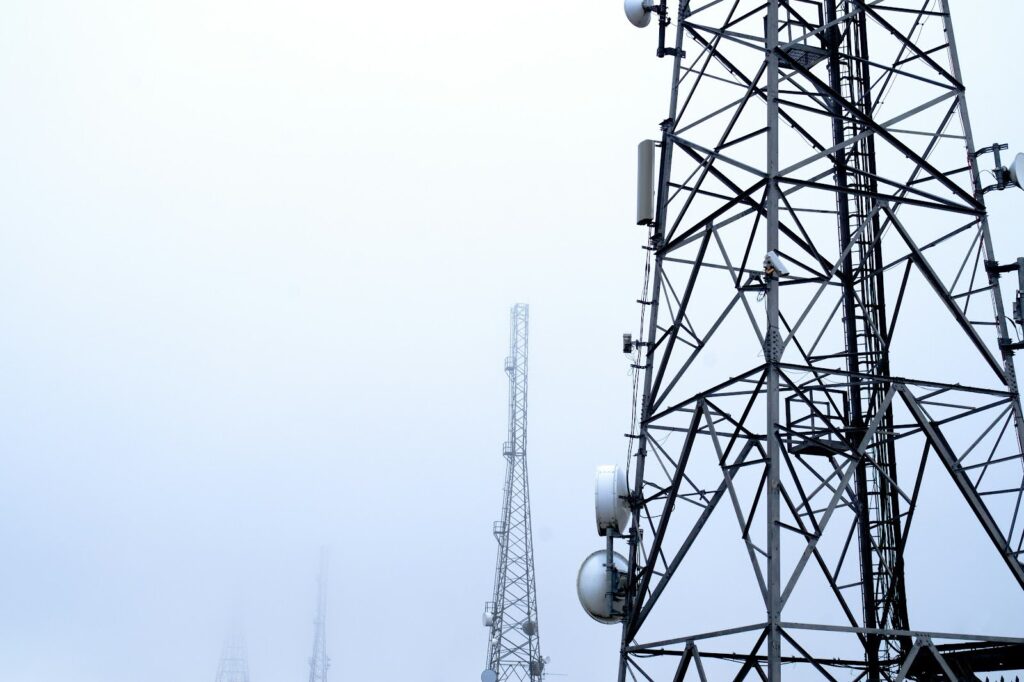
In Cairo, a landmark partnership between Telecom Egypt and Helios Towers has been announced, aimed at reshaping the region’s digital and data infrastructure. The collaboration, which includes the development of new data centers and expansion of tower capacity, highlights the accelerating importance of digital infrastructure in emerging markets.
Egypt has rapidly positioned itself as a connectivity hub linking Africa, the Middle East, and Europe. Yet the country’s digital economy has been constrained by capacity gaps and aging infrastructure. The deal with Helios, a leading independent tower company, is expected to unlock new investment flows and technological expertise that will bring Egypt closer to becoming a true digital powerhouse.
The focus is not only on consumer internet but also on cloud services, enterprise connectivity, and fintech ecosystems that depend on reliable data flows. By expanding data center capacity, Telecom Egypt and Helios are betting that demand from both multinational tech companies and local startups will continue to surge.
Analysts see the move as part of a broader trend in which African markets are no longer just consumers of global technology but active architects of digital ecosystems. From Lagos to Nairobi to Cairo, investments in towers, fiber optics, and data centers are becoming as strategic as oil pipelines once were.
For Egypt, the partnership is also geopolitical. By strengthening its role as a digital bridge across continents, the country enhances its bargaining power in regional politics and trade. In an age where data is the new oil, Telecom Egypt’s partnership with Helios may prove to be one of the most consequential bets of this decade.