FINANCE NEWS 8TH SEPTEMBER 2025
Power, Pressure, and Political Economy in Motion
Finance has always been the thread that binds regulation, resources, and representation together. This week’s stories show how money doesn’t just follow markets, it directs them. In Brussels, regulators moved decisively against Google, levying another billion-dollar fine for antitrust violations. It was not merely a penalty but a political statement: global tech giants must play by European rules, or pay the price.
Meanwhile, oil markets felt the ripple of OPEC+ decisions as the coalition announced a modest but significant increase in oil output. The move signals both economic pragmatism and political bargaining within the bloc, as producers balance between stabilizing prices, appeasing consumers, and protecting their own revenues. The decision has immediate consequences for global inflation trajectories, energy policy, and the fragile equilibrium between producers and consumers.
And in South America, Argentina’s provincial elections revealed how deeply economics intertwine with politics. With inflation soaring and debt concerns pressing, voters expressed frustration with the status quo, shifting local power dynamics in ways that could influence national policy. For investors, the elections are not just politics, they are indicators of future economic direction.
Together, these three stories show finance as more than numbers: it is power in motion, shaping governments, corporations, and households alike.
EU Slaps Google with Multi-Billion Dollar Antitrust Fine, Escalating Global Tech Regulation Battle
BY BLAKSOLVENT
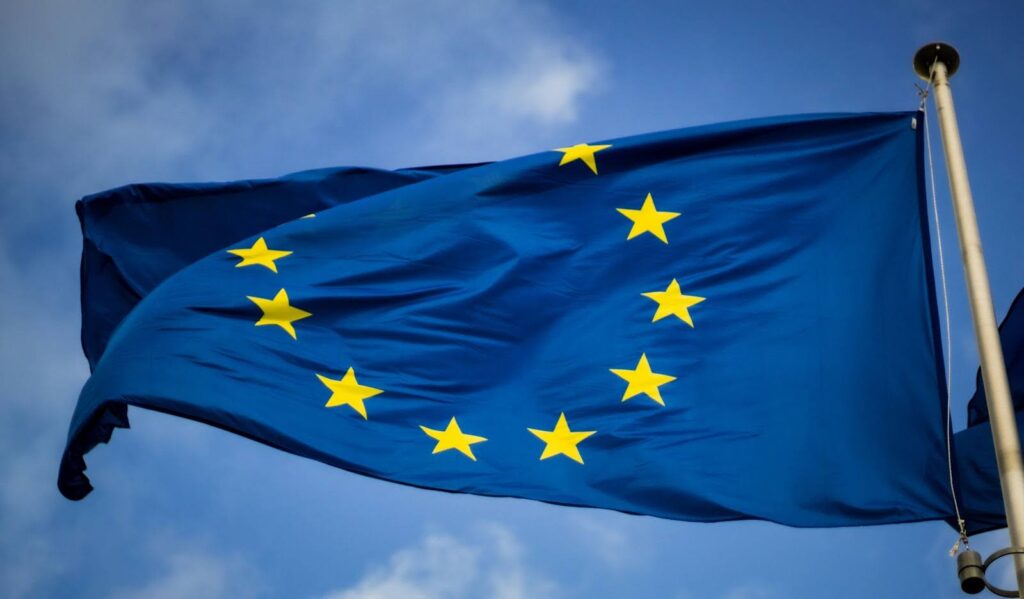
The European Union’s long-running confrontation with Google reached a new crescendo this week when regulators announced another multi-billion-dollar fine against the tech giant for antitrust violations. The decision underscores not only Europe’s aggressive stance toward regulating Big Tech but also the growing global trend of governments asserting control over digital monopolies.
This fine, amounting to €2.4 billion, was imposed after the European Commission ruled that Google abused its market dominance in online advertising services, prioritizing its own comparison-shopping service over rivals. For the EU, the case is emblematic of a broader mission: to ensure fair competition in digital markets dominated by a handful of powerful American firms.
The Regulatory Context
Since 2010, the EU has investigated Google in multiple cases: search bias, Android’s pre-installed apps, and advertising practices. Collectively, fines have now exceeded €8 billion. But the EU’s actions go beyond punishment; they aim to reshape the digital economy by forcing compliance with a framework of fair play. The introduction of the Digital Markets Act (DMA) earlier this year gives regulators even sharper tools, demanding interoperability, stricter consent for data use, and limits on self-preferencing.
Margrethe Vestager, the EU’s competition chief, emphasized that this fine was not just about Google’s conduct but about setting precedent: “Dominance must come with responsibility.”
The Broader Implications
For Google, the fines are costly but existential annual revenues exceed $280 billion. The real risk lies in forced changes to its business model. If the EU succeeds in reducing Google’s control over search and advertising, rivals could regain footing. Companies like DuckDuckGo, Ecosia, and specialized e-commerce platforms stand to benefit.
The decision also reverberates outside Europe. Regulators in the U.S. and Asia are watching closely, with Washington debating its own antitrust measures against Google, Meta, Amazon, and Apple. If the EU demonstrates that structural remedies can work, other jurisdictions may follow suit.
Investors, meanwhile, are split. Some fear that increased regulation could stifle innovation, while others argue it will foster competition and new growth. Google’s stock dipped 1.2% after the announcement, a modest reflection of concerns but hardly catastrophic.
Looking Ahead
The fine is likely to be contested in court, as Google has done with previous EU penalties. Legal battles could stretch for years, but the message has already been sent: Europe is serious about curbing digital monopolies.
The EU fine signals a turning point in global tech regulation.
Google’s dominance is being challenged not just by rivals but by law.
The Digital Markets Act could reshape digital competition worldwide.
For Big Tech, the era of unchecked power is fading fast.
OPEC+ Agrees to Output Increase Amid Global Inflation Pressures and Energy Market Uncertainty
BY BLAKSOLVENT
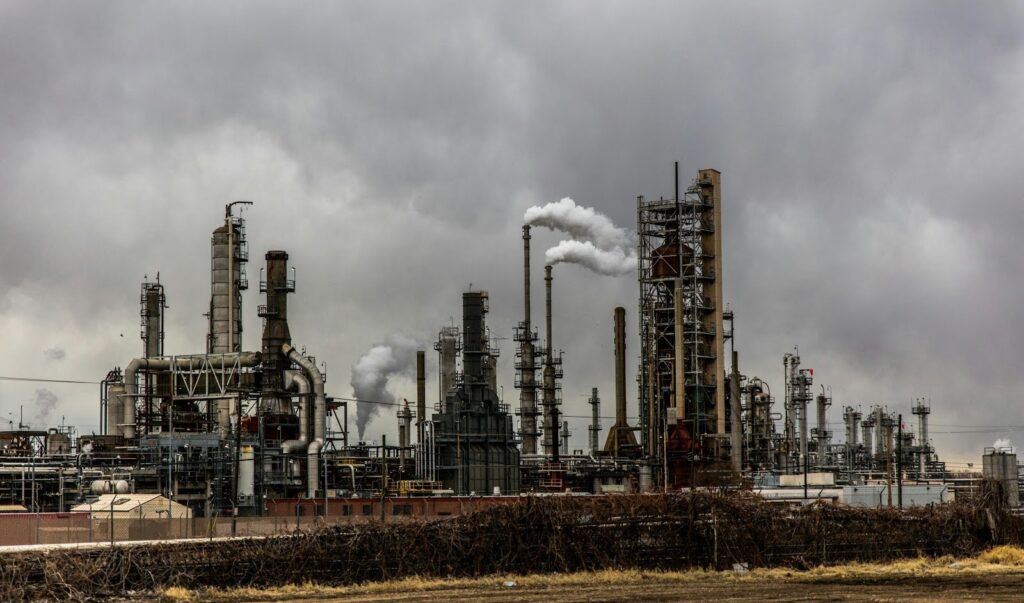
Oil has always been as much about politics as it is about supply and demand, and the latest decision from OPEC+ proves this once again. Meeting in Vienna, the cartel of oil producers, led by Saudi Arabia and Russia, announced a collective increase in oil output of 1 million barrels per day, beginning next quarter.
The move comes at a delicate moment for the global economy. On one hand, inflationary pressures have left major economies scrambling to contain energy costs. On the other, oil-producing nations remain wary of oversupplying the market, which could crash prices and harm their fiscal stability.
Why OPEC+ Acted Now
Global oil demand has rebounded strongly post-pandemic, with aviation, shipping, and manufacturing driving consumption. But geopolitical tensions particularly the war in Ukraine and sanctions on Russian oil have created volatility. Western governments, particularly the U.S., have been lobbying OPEC+ to increase supply to ease consumer burdens.
Saudi Arabia’s energy minister, Prince Abdulaziz bin Salman, described the output hike as a “measured response to a complex situation.” In truth, it was a compromise appeasing Western partners while maintaining unity within OPEC+.
Market Impact
Crude oil prices reacted with a modest dip, falling 2% to around $80 per barrel. Analysts expect this move to ease inflationary pressures slightly in Europe and Asia, where energy bills have surged. However, they caution that the increase is unlikely to radically transform the market, given rising demand from India and China.
For oil producers, the decision reflects the need to balance short-term economic realities with long-term structural shifts. The transition to renewable energy is accelerating, but oil remains the backbone of global industry. OPEC+ is walking a tightrope providing enough supply to maintain stability while avoiding undercutting prices that finance their economies.
The Politics of Oil
Beyond economics, the output decision carries diplomatic weight. Russia, under sanctions, remains heavily dependent on oil revenues. By keeping Moscow within OPEC+, the group maintains cohesion but risks friction with Western governments.
Meanwhile, the U.S. continues to expand its shale production, potentially undermining OPEC’s market control. The dynamic between American producers and OPEC+ will shape global energy for the next decade.
Conclusion (OPEC+):
The output hike highlights OPEC+’s balancing act in volatile markets.
Consumers gain relief, but producers guard against price collapse.
Geopolitical dynamics from Russia to U.S. shale define oil’s future.
Energy remains both an economic and political battlefield.
Argentina’s Provincial Elections Expose Economic Frustration and Signal Shifts Ahead of National Vote
BY BLAKSOLVENT

In Argentina, politics and economics are inseparable, and this week’s provincial elections confirmed that reality. With inflation surging past 140% annually, debt negotiations with the IMF looming, and poverty rising, voters used local polls to send a message: economic pain demands political change.
What Happened
In key provinces, opposition candidates made significant gains at the expense of the ruling Peronist coalition. The victories were not uniform, but the trend was clear frustration with the government’s handling of inflation and currency instability is reshaping Argentina’s political map.
For many Argentines, soaring prices have made daily life a struggle. The peso’s continued decline has eroded savings, while wages have failed to keep pace. The result is an electorate demanding accountability.
Economic Stakes
Provincial elections matter in Argentina not just symbolically but structurally. Local governments control significant budgets, industries, and political machinery. Gains by the opposition could influence the national elections later this year, where the presidency and Congress will be contested.
For investors, the results raise both risks and opportunities. A change in leadership could bring more market-friendly policies, but it could also spark social unrest if austerity measures are imposed. The IMF, which has a $44 billion program with Argentina, is watching closely.
Global Relevance
Argentina’s instability affects more than its borders. As one of the world’s top agricultural exporters particularly soybeans and beef, its policies shape global food markets. A political shift could alter trade dynamics with China, the EU, and Brazil, key partners in both commodities and finance.
The elections reflect voter frustration with runaway inflation.
Opposition gains reshape Argentina’s political and economic outlook.
Global investors face both risks and opportunities in the transition.
Argentina’s crisis underscores the deep link between politics and economics.