FINANCE NEWS 2ND SEPTEMBER 2025
Shifting Currents in Finance
Financial markets are rarely static; they breathe, contract, and expand in rhythm with global confidence, economic shifts, and investor sentiment. The latest pulse in the sector reflects a fascinating paradox: Bitcoin, once hailed as the decentralized future of money, is seeing its trading volumes decline as cautious investors step back from volatile assets. Meanwhile, gold, humanity’s oldest store of value has surged to a new all-time high, underlining a return to the tangible amidst uncertainty. On the domestic side, the UK housing market, a long-time benchmark of economic vitality, shows signs of cooling as house price growth slows. Together, these stories reveal a world recalibrating its relationship with risk, security, and growth. From digital currencies losing steam to precious metals shining bright, and traditional assets like property rebalancing, the financial stage today is not defined by collapse but by recalibration, a world quietly deciding what it truly values in wealth.
Bitcoin’s Fading Momentum: Declining Volumes Raise Investor Concerns
BY BLAKSOLVENT
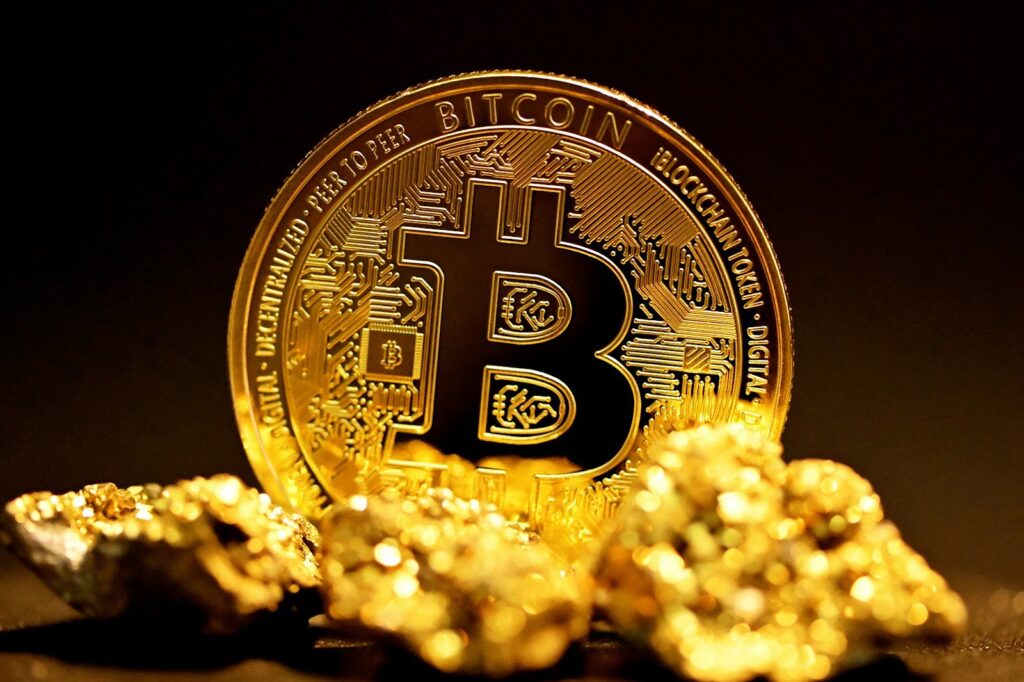
Bitcoin, the flagship of the cryptocurrency revolution, is encountering a notable slowdown in trading activity. Despite its resilience through cycles of boom and bust, the current decline in volume signals more than just short-term hesitation, it points to a deepening uncertainty about its place in mainstream finance. In earlier years, Bitcoin thrived on the narrative of rebellion against traditional systems, capturing headlines with meteoric rises and devastating plunges. But as the digital asset matures, the environment around it has become less forgiving. Global regulators are no longer spectators; they are active participants, tightening oversight, demanding transparency, and in some cases, outright restricting crypto activity.
This regulatory pressure has gradually chipped away at speculative enthusiasm. Retail investors who once rushed into Bitcoin as a gateway to financial independence are finding themselves caught between compliance requirements and the fear of market manipulation. Institutional players, who initially gave the market credibility, are recalibrating their positions, often prioritizing more stable and predictable assets. The result is visible in declining volumes: fewer trades, lower liquidity, and a shrinking of the frenetic activity that once defined the space.
The decline also reflects broader macroeconomic realities. With global inflation proving stubborn, central banks are holding interest rates at levels that make traditional investments more attractive. The allure of Bitcoin as “digital gold” diminishes when actual gold itself is breaking records. In a climate where stability is prized over volatility, speculative assets lose their shine. This isn’t the end of Bitcoin, far from it. But it is a critical phase where the cryptocurrency must evolve beyond hype and demonstrate sustainable value to remain relevant.
The market’s hesitation around Bitcoin does not signal its collapse; it signals a demand for reinvention. The next chapter will require innovation in scalability, utility, and legitimacy otherwise, Bitcoin risks fading from being the future of finance to merely a speculative relic of the past.
Gold’s New All-Time High: Safe-Haven Status Reaffirmed Amid Uncertainty
BY BLAKSOLVENT
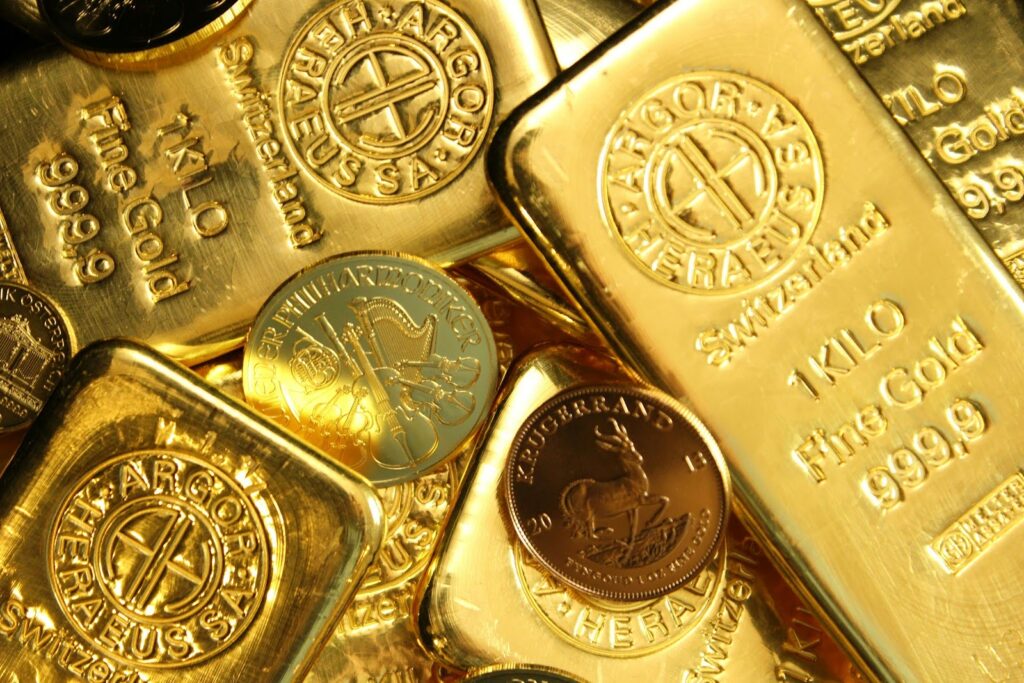
While Bitcoin stumbles, gold has reclaimed the spotlight by soaring to an all-time high. For centuries, gold has held a unique psychological and financial grip on societies worldwide. It is more than a shiny commodity; it is a global language of trust, stability, and safety. The current rally in gold prices underscores this timeless role, as investors once again flock to the precious metal amid uncertainty in global markets.
Several factors are converging to push gold higher. Inflation remains a persistent challenge, eroding purchasing power and creating anxiety around the durability of currencies. In such times, gold acts as a hedge, a reliable anchor that maintains value when fiat money falters. Central banks, especially in emerging economies, are aggressively stockpiling gold reserves as a buffer against volatile exchange rates and geopolitical shocks. This institutional demand adds a powerful layer of support to the rally.
Geopolitical instability is another driver. The ongoing wars, shifting alliances, and persistent global insecurity have created an environment where trust in paper promises, whether bonds, currencies, or equities is fragile. Gold, being tangible and universally recognized, offers a certainty that digital or paper assets cannot replicate. Investors seeking shelter from volatility are fueling a demand surge that has now rewritten history with record prices.
The gold rally also reflects a broader societal shift in attitudes toward wealth. Unlike Bitcoin, which is struggling to assert itself as a digital safe-haven, gold carries centuries of proven resilience. It embodies permanence in a world obsessed with rapid change. Each spike in gold prices is not just about economics but about psychology: the human instinct to cling to something immovable in turbulent times.
For investors, the lesson is clear. Gold’s rise is not a temporary blip but a reminder of the cyclical nature of trust. Markets experiment with novelty, but when fear grows, they return to the familiar. Gold is shining not just because of its luster, but because it is still the one asset that embodies enduring value.
UK House Price Growth Slows: A Market Losing Steam
BY BLAKSOLVENT
The UK housing market, often treated as both a social indicator and an investment benchmark, is beginning to cool. After years of rapid growth fueled by cheap borrowing and strong demand, the latest data reveals that house price growth is slowing, sending a mixed signal to both homeowners and policymakers. While prices remain historically high, the pace of appreciation has notably softened, reflecting the pressures of today’s economic environment.
Rising interest rates are at the core of this slowdown. The era of ultra-cheap mortgages has ended, leaving many prospective buyers sidelined by affordability challenges. Higher borrowing costs mean fewer people can stretch their budgets to secure homes, reducing demand at the very moment supply chains are struggling to meet previous momentum. This shift is not a collapse but a cooling, a recalibration of inflated expectations.
The slowdown also points to the complex intersection of housing and broader economic realities. Stagnant wage growth, persistent inflation, and rising living costs mean households have less disposable income to commit to property investments. For many, the dream of homeownership is becoming increasingly distant, not because they don’t want to buy, but because the financial math no longer adds up. This creates a generational divide: older homeowners sit on appreciating assets, while younger buyers are locked out of the market.
Policymakers face a difficult balance. On one hand, slowing price growth could improve accessibility in the long run if wages catch up. On the other, a prolonged slump risks destabilizing the market, eroding consumer confidence, and triggering knock-on effects in industries linked to housing. Construction, retail, and services all feel the tremors when housing demand wanes.
The cooling of UK house prices is a quiet but profound story: it illustrates how financial ecosystems respond to pressure and change course. As buyers retreat and sellers adjust, the housing market stands as a mirror of today’s economy, one struggling to balance growth with sustainability.