Marketing’s New Balancing Act: Leadership, Lifestyle, and Landscape
The marketing world is standing at a crossroads where leadership renewal, cultural resonance, and media disruption converge to shape the next decade. Cross’s bold move in appointing two new Chief Marketing Officers is not just about personnel; it’s a statement that fresh creative strategies require collaborative leadership at the highest level. At the same time, 818 Tequila is rewriting the playbook on how products speak to culture. By weaving fashion into its positioning and tapping into Gen Z’s “little treat” mentality, the brand recognizes that consumption today is not purely about utility, it is about identity, indulgence, and emotional resonance. Meanwhile, the steady shift of ad revenues from linear TV to streaming is a clear reflection of how consumers are now curating their content experiences on their own terms. When placed side by side, these three stories form a single thread: modern marketing is not about doing more of the same; it is about realignment. Leadership must adapt, brands must live within culture rather than sell from outside it, and advertisers must follow the consumer wherever their eyes, time, and wallets go. Marketing is no longer about keeping pace, it’s about anticipating the rhythm of change and dancing in step with it.
Crocs Elevates Creative Ambitions with Dual CMO Appointments BY BLAKSOLVENT

When Crocs, a global player known for its forward-looking campaigns, announced the appointment of not one but two new Chief Marketing Officers, the move raised eyebrows across the industry. Companies typically operate with a single CMO, someone who defines the creative vision, oversees campaigns, and acts as the central voice of marketing within the C-suite. By introducing a dual leadership model, Cross is not just expanding its bench; it is signaling a fundamental shift in how creative leadership will be structured in a world where consumer attention is fragmented across countless platforms.
Industry insiders suggest that this is less about redundancy and more about specialization. One CMO is expected to focus on brand storytelling, creative experimentation, and culture-driven campaigns, while the other takes the reins of data, performance marketing, and global market integration. In other words, Crocs is attempting to bridge the long-standing divide between art and science in marketing. For decades, brands have wrestled with how to balance the magic of creativity with the rigor of data-driven efficiency. Now, Crocs is putting two leaders in charge of ensuring that neither side eclipses the other.
The appointments come at a time when consumers are more skeptical of marketing than ever before. Traditional campaigns are being tuned out, ad-blockers are on the rise, and brand loyalty is increasingly fragile. This environment demands not just creativity but adaptive creativity campaigns that can pivot quickly, respond to cultural shifts in real time, and leverage data to ensure that each message lands with precision. Crocs’s dual-CMO structure seems designed to tackle this very challenge.
Experts point out that this model could become a blueprint for other brands. Much like the tech industry has embraced co-CEOs in rare but notable cases, marketing may see a wave of companies experimenting with dual leadership to reflect the complexity of the current landscape. The collaboration between these two leaders will be watched closely not just by competitors but by the wider marketing ecosystem eager to understand if two voices at the top create harmony or dissonance.
From a cultural perspective, the move is also symbolic. It suggests that marketing is no longer about a singular genius at the helm but about diverse leadership, collaboration, and multiplicity of vision. In a fragmented world, perhaps the only way to speak cohesively to billions of consumers is to have multiple leaders steering the creative ship. If successful, Crocs may not only reshape its own brand identity but also redefine what C-suite marketing leadership looks like in the years to come.
818 Tequila Fuses Fashion and Spirits to Capture Gen Z’s ‘Little Treat’ Mindset BY BLAKSOLVENT

818 Tequila’s latest marketing play is a bold step into cultural hybridity: fusing fashion with alcohol to ride the wave of Gen Z’s obsession with the “little treat.” For the uninitiated, the “little treat” trend is more than just indulgence, it is a cultural behavior where young consumers reward themselves with small luxuries that bring disproportionate joy. A coffee from an artisanal café, a limited-edition lipstick, or a premium cocktail can serve as these micro-escapes from the pressures of daily life.
By aligning tequila with fashion, 818 is tapping into Gen Z’s most powerful consumption drivers: lifestyle integration and identity performance. Clothes are no longer just garments, and drinks are no longer just beverages, they are extensions of personal branding. In partnering with fashion brands and embedding itself in cultural spaces like runways and influencer wardrobes, 818 is positioning tequila as not just something to drink but something to wear, display, and live.
What makes this particularly strategic is the way 818 leverages the halo effect of Kendall Jenner’s celebrity influence. Jenner’s reach spans fashion, beauty, and lifestyle precisely the ecosystems where Gen Z consumers live and breathe. By stitching together these spaces, 818 blurs boundaries between product categories and opens new avenues of relevance.
Critics might argue that alcohol brands traditionally thrive on heritage and storytelling around craftsmanship, terroir, and legacy. But for Gen Z, who often prioritizes social proof and aesthetic value, heritage takes a back seat to cultural resonance. 818’s fashion crossover demonstrates a willingness to reimagine what luxury looks like: less about lineage, more about lifestyle.
Marketing analysts suggest that this strategy could spark a wave of similar crossovers. Already, we’ve seen collaborations between food and fashion (think Supreme Oreos), but alcohol entering the fashion world is still relatively uncharted. If successful, 818 could normalize the idea of spirits as part of a consumer’s lifestyle kit, not just their bar cart.
The risk, of course, lies in authenticity. Gen Z has finely tuned radars for spotting opportunistic marketing. If the collaborations feel forced, the brand risks alienating the very audience it seeks to court. Success will depend on whether 818 can make these partnerships feel organic, meaningful, and embedded in real cultural moments.
In a broader sense, 818’s play reflects a future where brands must act less like advertisers and more like cultural participants. To win with younger audiences, products must transcend utility and become part of the narratives people tell about themselves. By merging fashion and tequila under the banner of the “little treat,” 818 is betting that Gen Z doesn’t just want to consume, they want to curate.
Streaming Ad Revenues Surge as Linear TV Loses Ground BY BLAKSOLVENT
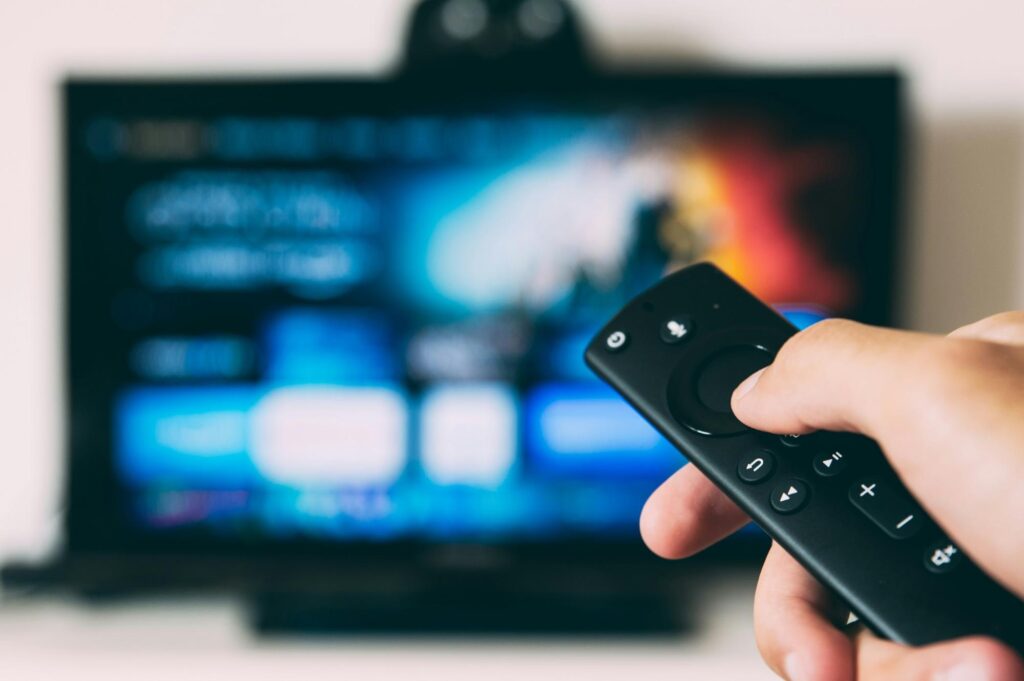
For decades, linear TV was the undisputed heavyweight of advertising. Prime-time slots were coveted, Super Bowl ads were legendary, and television commanded the lion’s share of global ad spend. But the latest study reveals what has been obvious to viewers for years: streaming is not just catching up, it is pulling ahead. Ad revenues from streaming platforms are continuing to rise, while linear TV continues its steady decline.
The drivers behind this shift are deeply rooted in consumer behavior. Audiences no longer sit in front of the TV at scheduled hours. They want content on demand, on devices of their choice, and without geographical barriers. Streaming platforms like Netflix, Hulu, and Disney+ have mastered the art of personalization, serving not just content but curated experiences tailored to individual preferences.
For advertisers, the appeal is obvious. Streaming offers granular targeting, measurable results, and flexibility that linear TV can’t match. Instead of casting a wide net and hoping the right viewers tune in, advertisers can now place their messages in front of precisely defined audiences, from 25-year-old fashion enthusiasts in Lagos to 40-year-old gamers in Berlin.
The shift in revenues also signals a deeper cultural change. Television once served as a shared cultural moment, families gathered around the same programs, communities discussed the same episodes. Streaming, in contrast, is hyper-personalized. While this fractures the collective viewing experience, it also empowers consumers to curate their own cultural diet.
For brands, this poses a challenge and an opportunity. The challenge: no single platform now commands universal attention. The opportunity: advertisers can engage audiences with more relevance, intimacy, and creativity than ever before. Successful brands will be those that design campaigns for a fragmented landscape, campaigns that feel native to streaming environments rather than recycled TV spots.
As linear TV continues to lose its grip, the implications extend beyond advertising. Media companies reliant on traditional models must reinvent themselves or risk obsolescence. Meanwhile, streaming platforms are innovating not just in content but in ad-tech, experimenting with formats like shoppable ads, interactive storytelling, and AI-powered personalization.
Ultimately, the rise of streaming revenues is not just a business story, it is a cultural one. It represents a shift in how people consume stories, entertainment, and, by extension, marketing. For the modern advertiser, the message is clear: the audience has moved, and so must you.