Signals in the Shifting Sands of Global Finance
The global financial landscape often feels like a series of scattered signals, but when pieced together, they tell a story of where economies are headed. The NAHB Housing Market Index in the United States reflects the heartbeat of homebuilders, a proxy for consumer confidence, demand for housing, and long-term wealth creation. Meanwhile, Japan’s Tertiary Industry Activity Index highlights the strength of service sectors, industries that employ millions and shape the day-to-day economy. Europe, too, adds its voice with the Rightmove House Price Index, revealing how property dynamics are shifting in one of the most sensitive markets to inflation and monetary policy changes. Taken together, these indicators provide more than numbers; they form a mosaic of how people live, spend, and adjust to policy shifts. Rising interest rates, lingering inflationary pressures, and shifting consumer habits connect them all. From American builders bracing for tighter credit conditions, to Japanese service providers navigating post-pandemic recovery, to European households recalibrating housing expectations, the data tells us that global finance is at a crossroads. Understanding these movements isn’t just about predicting numbers, it’s about tracing the stories of resilience, adaptation, and uncertainty shaping economies today.
US Homebuilder Confidence Wavers as NAHB Housing Market Index Highlights Market Strains BY BLAKSOLVENT
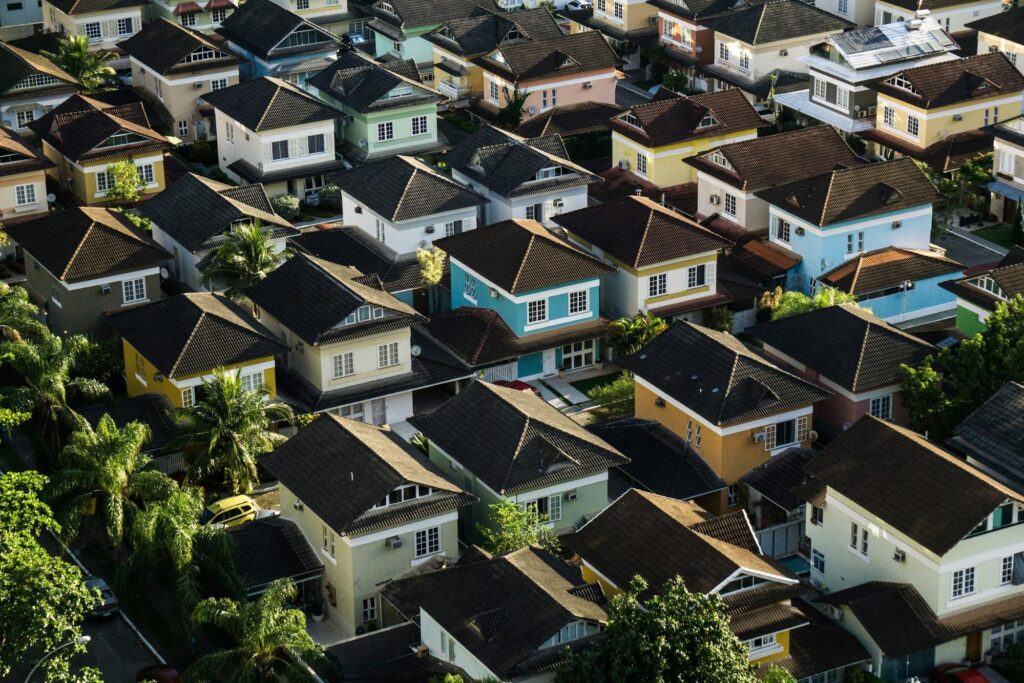
The U.S. housing market has long been one of the clearest reflections of economic health. Homes are not just physical structures; they are investments, generational assets, and confidence boosters for households. When the National Association of Home Builders (NAHB) releases its Housing Market Index, analysts, policymakers, and investors pay attention, because it captures sentiment straight from the builders shaping the American landscape.
In its latest release, the NAHB index showed signs of weakness, revealing that homebuilder confidence has been slipping under the weight of higher interest rates, elevated construction costs, and cautious buyers. The Federal Reserve’s cycle of interest rate hikes over the past two years has pushed mortgage rates to levels unseen in decades, making home affordability one of the most pressing issues for families. The ripple effect has been clear: potential buyers are holding off, mortgage applications have cooled, and builders are less optimistic about future sales.
Beyond the headline numbers, the Housing Market Index is made up of three key subcomponents: current sales conditions, sales expectations for the next six months, and traffic of prospective buyers. Each of these gives color to the broader picture. Sales expectations for the next six months dipped, highlighting uncertainty about where rates and demand are headed. Buyer traffic has remained muted, a sign that higher borrowing costs are discouraging households from entering the market.
But it’s not all gloom. Some regions are showing resilience, particularly in the South, where migration trends and relatively lower costs of living have supported construction demand. Builders in these areas remain more optimistic compared to those in the Northeast and West, where affordability pressures are even more pronounced.
Policymakers are watching closely, because housing plays an outsized role in overall economic performance. A cooling housing market reduces household spending, as new homeowners typically drive demand for durable goods like appliances and furniture. The Fed’s balancing act becomes more complicated as it tries to tame inflation without crushing housing demand entirely.
Looking ahead, much depends on interest rate trajectories and construction material costs. If the Fed signals a pause or easing of rate hikes, and if supply chain pressures continue to ease, builders may regain confidence. Until then, the NAHB index reminds us that housing is a sensitive indicator of consumer sentiment, one that reflects both economic challenges and opportunities for resilience.
UK Rightmove House Price Index Shows Cooling Momentum Amid Rising Borrowing Costs BY BLAKSOLVENT

Across the Atlantic, the UK housing market is facing its own set of pressures, and the Rightmove House Price Index provides a window into how property values are adjusting. The latest report revealed a slowdown in house price growth, a sign that higher borrowing costs are reshaping demand in one of Europe’s most competitive housing markets.
Rightmove’s index tracks asking prices on newly listed properties, making it a leading indicator of market sentiment. The recent figures showed that sellers are becoming more cautious, adjusting expectations as mortgage rates climb and buyers grow more selective. The sharp rise in borrowing costs, driven by the Bank of England’s aggressive rate hikes to tame inflation, has made affordability a central concern.
For many households, the increase in mortgage rates has doubled or even tripled monthly repayments compared to just two years ago. This shock is forcing some potential buyers to delay purchases, while others are priced out entirely. As a result, demand has cooled, and sellers are increasingly willing to reduce asking prices to attract offers.
But the Rightmove data also revealed important regional differences. London, with its high property values, has been more heavily impacted by rising borrowing costs, while northern regions remain relatively resilient, thanks to lower baseline prices and continued demand from first-time buyers.
Investors are also watching closely. UK property has long been considered a safe haven asset, attracting foreign buyers seeking stability. Yet with borrowing costs climbing and rental yields under pressure, the attractiveness of the market is being reassessed.
Despite the cooling trend, analysts caution against declaring a housing crash. Supply remains constrained, with limited housing stock compared to demand. This structural shortage, combined with government support schemes for buyers, continues to provide a floor under prices. The real question is whether affordability constraints will force a prolonged stagnation in activity.
Looking forward, the trajectory of inflation and interest rates will be decisive. If inflation moderates and the Bank of England slows its pace of tightening, buyer confidence could return. Until then, the Rightmove index reminds us that the UK housing market is in a delicate balancing act, caught between strong structural demand and acute affordability challenges.
Japan’s Service Sector Posts Mixed Recovery as Tertiary Industry Activity Index Shifts BY BLAKSOLVENT
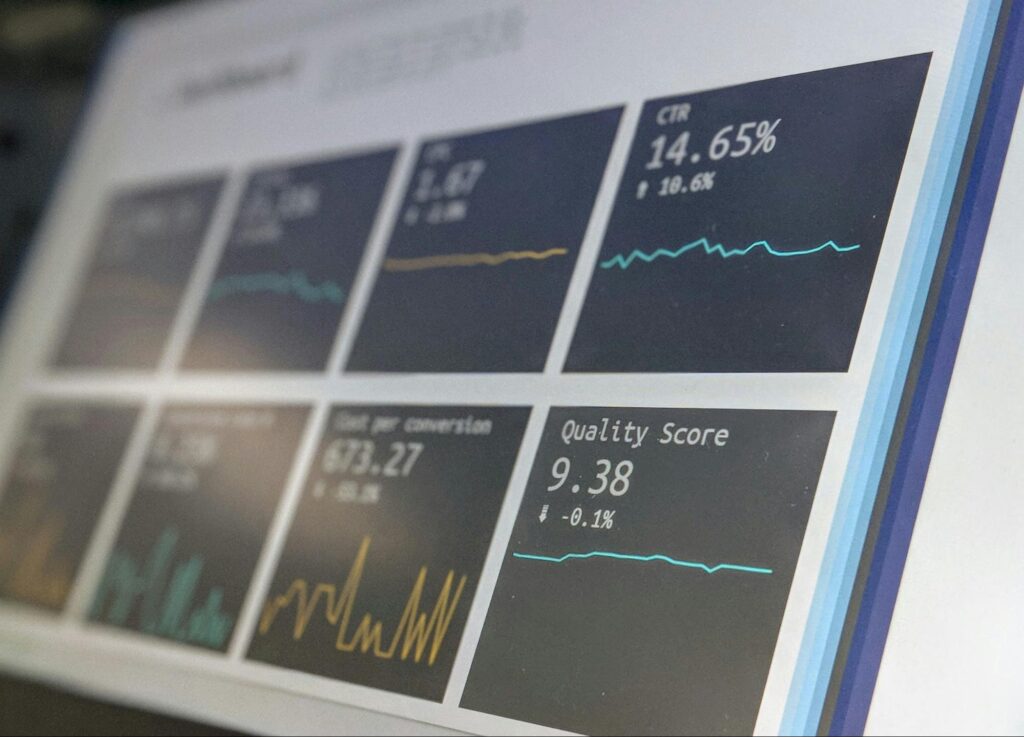
Japan’s economy, long defined by its manufacturing strength, relies heavily on the service sector for employment and domestic consumption. The Tertiary Industry Activity Index, which measures output across industries like retail, transportation, finance, and healthcare, provides critical insights into the country’s broader economic trajectory. The latest data revealed a mixed picture, highlighting both resilience and vulnerabilities in Japan’s post-pandemic recovery.
On one hand, certain service industries such as tourism, hospitality, and transportation have shown strong rebounds. Japan’s reopening to international travel has fueled a surge in visitor numbers, boosting hotels, airlines, and retail sectors. The return of domestic consumption, aided by government stimulus measures, has further supported these industries.
However, the index also revealed weaknesses. Healthcare services and financial industries have grown at a slower pace, reflecting structural challenges and cautious consumer behavior. Additionally, wage growth in Japan remains relatively stagnant, limiting household spending power even as prices rise.
The Bank of Japan’s ultra-loose monetary policy continues to play a significant role in shaping these outcomes. While low interest rates have supported borrowing and investment, they have also contributed to a weak yen, raising import costs and squeezing profit margins for service providers reliant on foreign goods.
Analysts note that the tertiary industry’s performance is particularly important for Japan’s long-term growth, as services account for around 70% of GDP. A sustainable recovery requires not just strong tourism and retail performance, but also improvements in productivity, digital transformation, and labor market reforms.
Looking ahead, the trajectory of the index will hinge on global conditions. If global demand stabilizes and domestic reforms continue, Japan’s service sector could strengthen further. Yet risks remain, from global inflationary pressures to demographic challenges at home. The Tertiary Industry Index, therefore, remains a critical barometer of Japan’s delicate balancing act between short-term recovery and long-term sustainability.