Three Fronts, One Fragile World
From the narrow waters of the Persian Gulf to the hushed press rooms of Beijing and the tense streets of Gaza, the week’s headlines speak to a global stage where every move is freighted with consequences. In Iran, a foreign tanker is seized over alleged fuel smuggling, reigniting concerns over maritime security in one of the world’s most strategic waterways. In China, officials are adopting a gentler tone toward Washington, urging both sides to work toward positive trade outcomes despite a history of friction. And in Gaza, the United Nations warns that Israel’s proposed plans for the enclave risk unleashing “another calamity,” a phrase heavy with the weight of past crises.
Each of these events is rooted in its own history, shaped by its own pressures, but they share a common thread: fragility. Maritime chokepoints, trade corridors, and humanitarian corridors are all lifelines that can be severed by miscalculation, mistrust, or the simple failure to compromise. Together, they form a mosaic of a world where diplomacy is increasingly urgent and yet alarmingly elusive. If the past is a guide, these stories may not remain separate for long; in today’s interconnected reality, the tremor in one region can quickly become the aftershock in another.
Seized in the Strait: Iran’s Tanker Move Rekindles Maritime Tensions BY BLAKSOLVENT
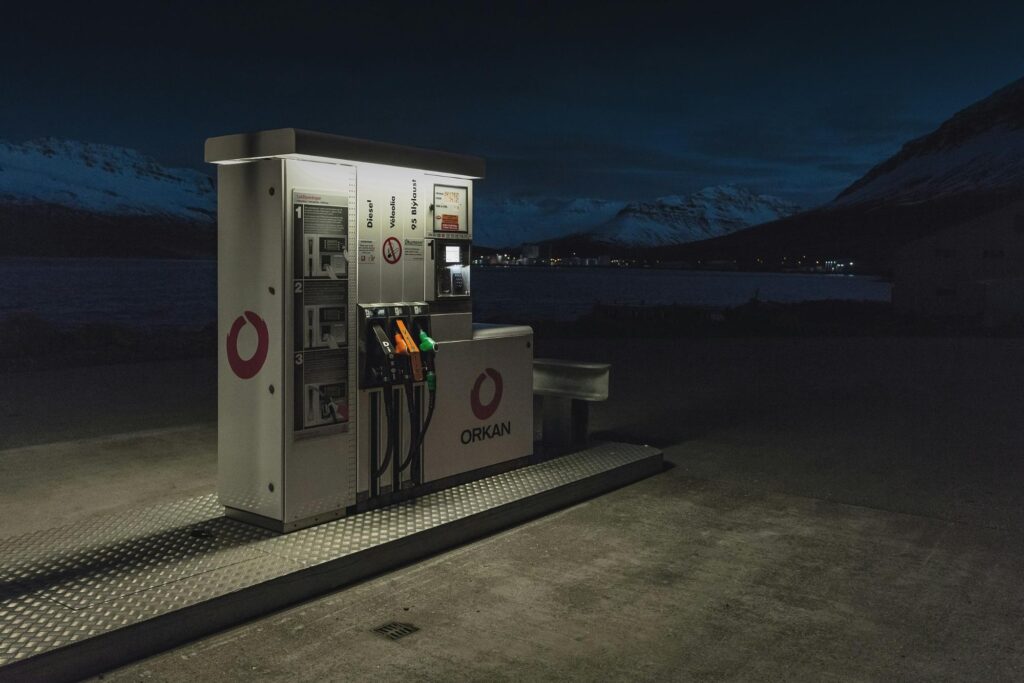
The narrow ribbon of water known as the Strait of Hormuz has long been a place where routine maritime navigation can shift in an instant into a geopolitical incident. On a hot and windless morning, that history repeated itself. Iranian patrol boats moved in on a foreign-flagged tanker, flanked by smaller vessels, and within minutes the ship was escorted into Iranian waters. Tehran claims it was carrying contraband oil products a violation, they insist, of both Iranian law and maritime integrity.
For the crew, the seizure was swift and disorienting. Families back home lost contact. The captain’s last known transmission was brief: “We are being boarded.” Those words, in a region where such boardings have been preludes to prolonged detentions, carry a weight of dread.
Iran’s leadership framed the act as part of a broader crackdown on fuel smuggling, an illicit trade that siphons resources and undermines the country’s sanctions-hit economy. But to international observers, the move was more than a domestic law enforcement measure. The Strait of Hormuz is a lifeline for global oil flows, and any disruption, even a symbolic one, sends ripples through energy markets. Brent crude prices ticked upward within hours of the news.
Western governments condemned the seizure, labeling it a provocation, while regional analysts noted that such incidents have historically been precursors to tense naval standoffs. The memory of 2019’s ship detentions and drone shootdowns is still fresh. For shipping companies, the message was clear: the waters are once again unpredictable, and every transit through the Strait now carries an additional layer of risk.
The geopolitical subtext is unavoidable. Iran has been under sustained economic pressure from U.S. sanctions, and each maritime flex serves both a domestic narrative of resistance and a strategic reminder to adversaries: Iran sits astride one of the most critical chokepoints in the world. Control here is leverage. And leverage is power.
Beijing’s Olive Branch: China Urges U.S. to Keep Trade Talks on Track BY BLAKSOLVENT
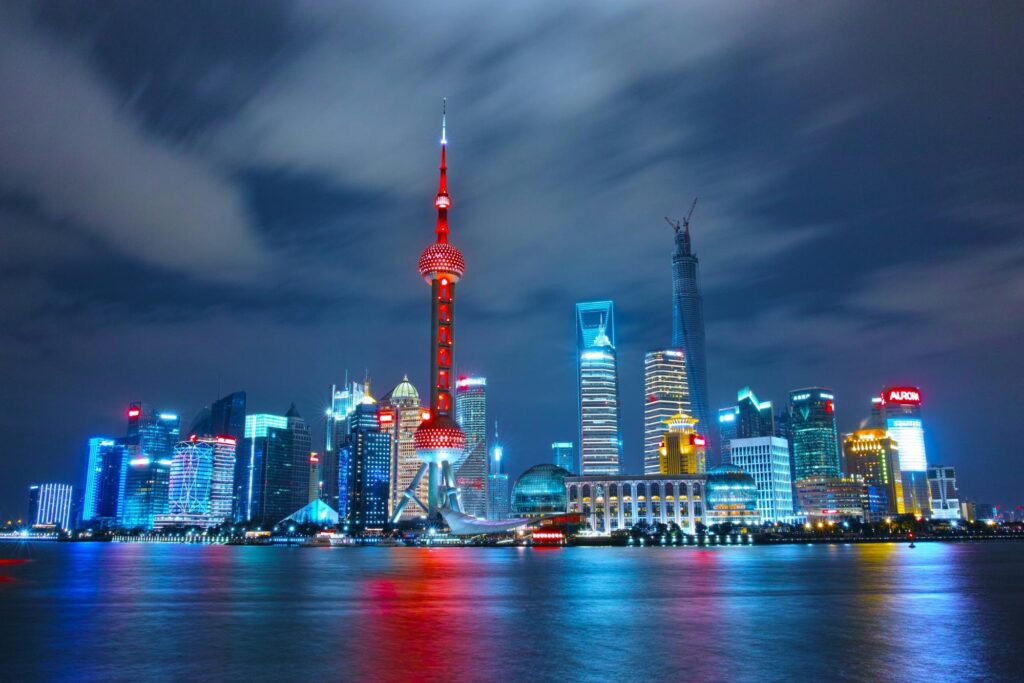
In Beijing’s Ministry of Commerce press room, the words were measured but unmistakable in tone. A spokesperson called on the United States to “strive for positive trade outcomes,” signaling what appeared to be a shift from the combative rhetoric that has often characterized U.S.-China exchanges in recent years.
The context matters. Global economic headwinds are gathering. Manufacturing hubs are still recovering from pandemic-era disruptions, and trade flows have been unsettled by everything from supply chain bottlenecks to sanctions regimes. For China, a stable trade relationship with the U.S. is not simply about avoiding tariffs, it is about ensuring a predictable environment for exports, investment, and domestic growth.
Behind the polite phrasing, there is urgency. China’s domestic economy is wrestling with slowing consumer spending, a property sector in distress, and competition in key industries like semiconductors and electric vehicles. U.S. export controls on high-tech goods have added to the strain. Beijing’s public call for constructive engagement is as much a message to global markets as it is to Washington: cooperation remains possible, and perhaps necessary.
The response from Washington has been cautious, with officials noting areas of both cooperation and contention. Still, the fact that both sides are speaking of outcomes rather than simply listing grievances is viewed by trade analysts as a step forward.
Yet the road ahead is fraught. Both governments face domestic political pressures that can turn diplomatic overtures into political liabilities. Any misstep, a tariff hike, a sanctions announcement, a military flare-up in contested waters could derail the fragile optimism now being cultivated. For now, the olive branch is extended. Whether it is grasped remains to be seen.
UN Warns Israel’s Gaza Plan Could Trigger Humanitarian Crisis BY BLAKSOLVENT

In Gaza, the United Nations’ warning landed like a thunderclap: Israel’s proposed plan for the territory could precipitate “another calamity.” The choice of words was deliberate. The enclave, already teetering under the weight of years of blockade, conflict, and economic collapse, is uniquely vulnerable to policy shifts imposed from outside its borders.
Details of Israel’s plan remain scarce, but leaks suggest it may involve heightened security measures, potential changes in governance, and expanded restrictions on movement and goods. To Israel, these are protective steps aimed at neutralizing threats. To the UN and humanitarian agencies, they are red flags signaling deeper hardship for civilians.
Gaza’s infrastructure is already in a state of chronic emergency. Hospitals struggle with power shortages. Clean water is scarce. Youth unemployment hovers near 70 percent. Any additional constraints could quickly tip the balance from barely sustainable to unlivable.
Israel argues its security cannot be compromised, pointing to past attacks as justification for tightening controls. Critics counter that without addressing underlying humanitarian needs, security measures alone will fuel more instability.
The UN’s intervention is not just a warning, it is a plea for foresight. In a region where the cycles of escalation are measured in months, the cost of ignoring humanitarian realities is written in the ruins of past conflicts. Whether the plan proceeds, and in what form, will determine if Gaza inches toward stability or plunges into yet another chapter of crisis.