A Snapshot of a Shifting Global Economy
As the global economy continues to evolve under the weight of inflation, innovation, and institutional recalibration, today’s headlines offer a glimpse into the complex choreography of finance in motion where each move, whether by a central bank, stock market, or currency, echoes far beyond national borders.
In Ghana, an unexpected drop in inflation has nudged the central bank into swift action. The emergency Monetary Policy Committee meeting reflects not just data-driven governance but a maturing financial system striving for credibility, even under the watchful eyes of the IMF. The country’s effort to stabilize its economy while protecting citizens from volatility stands as a quiet but powerful moment in African monetary policy history.
Meanwhile, across the Atlantic, Wall Street’s surge to record-high valuations highlights a different kind of tension. At 22× forward earnings, the S&P 500 tells a story of bold investor optimism, driven by artificial intelligence and tech-sector dominance. But beneath the rally lies division between those who see a revolution and those who see a bubble. It is a familiar tale: progress and caution dancing on a tightrope.
And in South Africa, the rand’s mild retreat amid the G20 finance ministers’ summit reflects the currency’s role as a weathervane of global sentiment. While policymakers in Durban discuss debt relief, cross-border taxation, and sustainable finance, markets respond in real-time demanding proof that dialogue will become decisive action. For a nation balancing domestic pressure and international ambition, every decimal point matters.
Together, these headlines form a mosaic of today’s financial reality: one where hope and hesitation coexist, where emerging markets assert themselves, and where the future of money is shaped not just in trading floors or government halls, but in every decision made by those watching closely.
In a world bound by capital, code, and conversation monetary shifts are no longer local events. They are global pulses. And today, the world listens.
Ghana’s Central Bank Convenes Emergency MPC Meeting Amid Falling Inflation and Economic Uncertainty
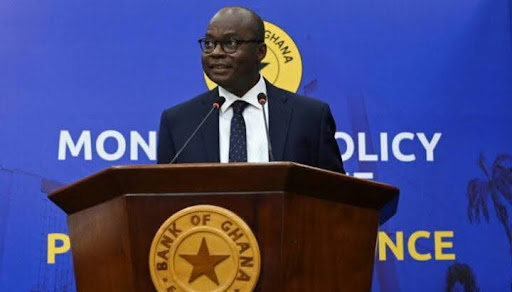
In an unexpected move signaling heightened vigilance, the Bank of Ghana (BoG) has called an emergency session of its Monetary Policy Committee (MPC) this week, ahead of its scheduled policy meeting slated for July 28–30. The decision, announced Wednesday evening, comes in response to significant shifts in Ghana’s economic indicators most notably a sharp drop in inflation, which in June fell to 13.7%, its lowest level since late 2021.
According to sources within the central bank, the emergency MPC meeting aims to critically evaluate the implications of the recent consumer price index (CPI) data, alongside other macroeconomic factors such as exchange rate stability, private sector credit growth, and foreign reserve buffers.
A Sign of Cautious Optimism?
The unexpected dip in inflation driven largely by a slowdown in food and transport prices offers cautious hope that the worst of Ghana’s recent cost-of-living crisis may be easing. For much of 2022 and 2023, Ghana battled inflation rates exceeding 30%, a crippling surge that undermined household incomes, eroded savings, and triggered widespread economic unrest.
Now, with inflation moderating, there is renewed public interest in how the central bank might respond. While many market watchers anticipated a possible rate cut at the end of July, the decision to bring forward the meeting suggests that the BoG may act sooner than expected.
“The emergency meeting is largely technical, but its implications are significant,” said Dr. Elsie Otchere, a financial economist at the University of Ghana. “It tells us the central bank is not taking the improving numbers for granted. They are preparing for a carefully calibrated policy response.”
Policy Rate in Focus
Currently, the BoG’s benchmark monetary policy rate stands at 29%, one of the highest in Africa. While effective in anchoring inflation expectations, the high rate has raised concerns about its dampening effect on private investment and access to credit—especially for small businesses and young entrepreneurs.
Analysts are split on whether the BoG will opt for a rate cut, maintain a hawkish pause, or introduce unconventional liquidity measures to support growth without derailing the inflation gains.
“If the data suggests inflation has peaked and is now on a sustainable downward path, we may see a cautious 50–100 basis point cut,” said Kwame Adu-Koranteng, a portfolio manager at Unity Capital. “But the central bank has historically erred on the side of caution. They may prefer to wait until the scheduled meeting.”
IMF Program and Market Reactions
The emergency MPC meeting also comes against the backdrop of Ghana’s ongoing $3 billion International Monetary Fund (IMF) bailout program, which includes strict performance benchmarks on fiscal discipline, debt sustainability, and inflation control.
BoG officials are expected to brief IMF representatives following the conclusion of Friday’s session. In turn, Ghana’s financial markets are watching closely for signals that could influence the cedi, treasury bill yields, and equity markets.
Already, the cedi has gained modestly in recent weeks, buoyed by improved investor sentiment and stronger-than-expected foreign inflows from cocoa and gold exports.
Moving Foward
The Bank of Ghana is expected to release a statement on Friday, outlining its preliminary policy stance following the emergency meeting. This may include forward guidance on interest rates, inflation expectations, and the broader macroeconomic outlook.
For everyday Ghanaians, the MPC’s decisions may not seem immediately tangiblebut they shape everything from bank lending rates to the cost of bread.
Wall Street’s Record-High Valuations Spark Investor Divide Amid Tech Boom
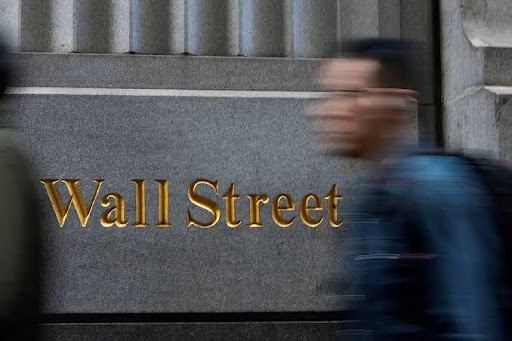
Wall Street’s bull run continues to defy gravity, but as the S&P 500 now trades at a striking 22× forward earnings, the highest valuation level in over two decades, investors are split down the middle. The index has surged on the back of robust tech-sector growth and investor optimism, but the rally also raises uncomfortable questions: Are markets reflecting genuine corporate strength or are they skating on thin speculative ice?
According to historical data, the S&P 500 has traded at this multiple or higher only 7% of the time over the past 40 years, making current levels both rare and fragile. The rally has largely been powered by mega-cap technology stocks led by giants like Apple, Nvidia, Alphabet, and Amazon whose recent earnings and AI-driven forecasts have outperformed analyst expectations.
Tech Titans Lead the Charge
In the last quarter alone, Nvidia’s market cap surpassed $4 trillion, Apple reclaimed its title as the world’s most valuable company, and several AI-focused ETFs have doubled in value. These companies have benefited from explosive demand for chips, data centers, and automation tools offering what many investors see as a long-term growth engine.
“We are entering a new industrial era,” said Dana Whitmore, Senior Analyst at MorganLocke Capital. “AI, cloud computing, and quantum infrastructure are not just fads they are rewiring the global economy. Investors are pricing in future growth, not just current profit.”
This future-facing optimism is echoed in the behavior of institutional investors, many of whom are overweight on tech and underweight on traditionally defensive sectors like utilities, healthcare, and consumer staples.
But Is It Overpriced?
Not everyone is buying the hype.
Skeptics argue that even with strong earnings, a 22× forward P/E ratio leaves little room for disappointment. If inflation persists or consumer demand slows, high-flying valuations could quickly deflate.
“What we’re seeing is less about fundamentals and more about momentum,” warned Patrick Huang, a strategist at EastBay Securities. “When markets rise this sharply without broad participation from all sectors, the risk of correction increases dramatically.”
Indeed, much of the rally has been narrowly concentrated: the top 10 S&P 500 stocks now account for nearly 35% of the index’s market cap, a level of concentration not seen since the dot-com bubble in the early 2000s.
Mixed Signals from the Fed
Complicating matters is the Federal Reserve’s evolving stance. While the Fed has paused rate hikes and signaled a possible cut later this year, Chair Jerome Powell has cautioned against “over-exuberance” in financial markets. The central bank remains focused on taming core inflation, which remains slightly above its 2% target.
Any surprise hawkish tone from the Fed could spook markets and prompt investors to reevaluate earnings expectations and discount rates both of which heavily influence valuations.
Retail Investors and FOMO
Retail investors, many of whom entered the market during the pandemic, are also playing a key role. Trading platforms like Robinhood and eToro have reported a sharp uptick in activity, especially in AI and crypto-adjacent stocks.
Social media sentiment analysis shows “FOMO” (fear of missing out) resurging as new investors pile into perceived “sure bets.” While this democratizes finance, it also raises red flags about speculative excess and short-term herd behavior.
Where Do We Go from Here?
Ultimately, Wall Street’s record-high valuations may be both justified and dangerous. On one hand, innovation and digital transformation continue to unlock massive value across sectors. On the other, markets appear increasingly decoupled from traditional valuation metrics, setting the stage for volatility if earnings growth stalls or macroeconomic conditions worsen
South African Rand Slips as G20 Finance Ministers Meet in Durban
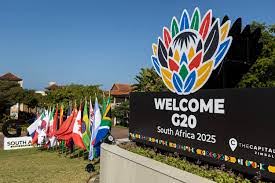
The South African rand slipped by 0.4% in early trading on Wednesday, reaching 17.8975 against the U.S. dollar, as the country plays host to the ongoing G20 finance ministers and central bank governors’ meeting in Durban. The weakening currency comes amid heightened global economic scrutiny, policy uncertainty, and cautious investor sentiment surrounding the outcomes of the high-level gathering.
At the same time, yields on South Africa’s 2035 sovereign bonds climbed 1.5 basis points, indicating mild pressure in the debt market as investors weigh the possible ramifications of the discussions taking place behind closed doors.
Market Reaction Reflects Policy Watchfulness
While currency fluctuations are not uncommon during such global meetings, the rand’s modest slide underscores investor caution, especially as finance ministers from the world’s largest economies convene to discuss cross-border tax frameworks, climate financing, debt restructuring for developing nations, and inflation management.
According to analysts, the market’s reaction stems less from immediate domestic pressures and more from the broader uncertainty about what new fiscal or monetary commitments might emerge from the forum.
“The rand’s movement today reflects anticipation more than reaction,” said Lindo Mkhize, currency strategist at FirstCrest Bank. “Markets are nervous about any shift in tone from G20 leaders particularly on issues like capital flows, financial regulation, and global interest rate coordination.”
Domestic Eyes on Global Dialogue
For South Africa, the stakes are high. As the only African country in the G20, its role as host carries symbolic weight and practical significance. President Cyril Ramaphosa, along with Finance Minister Enoch Godongwana and Reserve Bank Governor Lesetja Kganyago, is expected to push for more favorable development finance terms, debt relief, and sustainable investment opportunities for the Global South.
However, domestic vulnerabilities remain. South Africa’s economy has been grappling with persistent load shedding, structural unemployment, and sluggish GDP growth, all of which make the rand particularly sensitive to global risk-off sentiment.
“The G20 meeting is an opportunity to attract global capital and reassure investors,” said Mbali Radebe, a senior economist at Joburg-based ThinkMarkets SA. “But the rand’s softness today shows that markets are waiting for more than diplomatic statements, they want fiscal clarity and action.”
Bond Market Jitters
The slight increase in bond yields, though modest, reflects a broader trend of cautious repositioning. Investors may be adjusting expectations for future rate hikes by the South African Reserve Bank (SARB) or reacting to the potential for shifts in global liquidity.
South Africa’s 2035 bonds are often viewed as a barometer of long-term investor confidence. An uptick in yields suggests some investors are demanding slightly higher returns to hold government debt, especially in the context of still-elevated inflation and a challenging fiscal environment.
What to Watch
The G20 finance summit continues through the weekend, with key addresses expected from the U.S. Treasury Secretary, European Central Bank President, and China’s Finance Minister. Their remarks particularly on interest rate outlooks, capital control reforms, and multilateral development funding could sway markets further.
Meanwhile, the SARB’s next rate decision is due in early August. A surprise hike, hold, or dovish tilt could add another layer of complexity to the rand’s trajectory.