What We Leave Behind in the Name of Progress
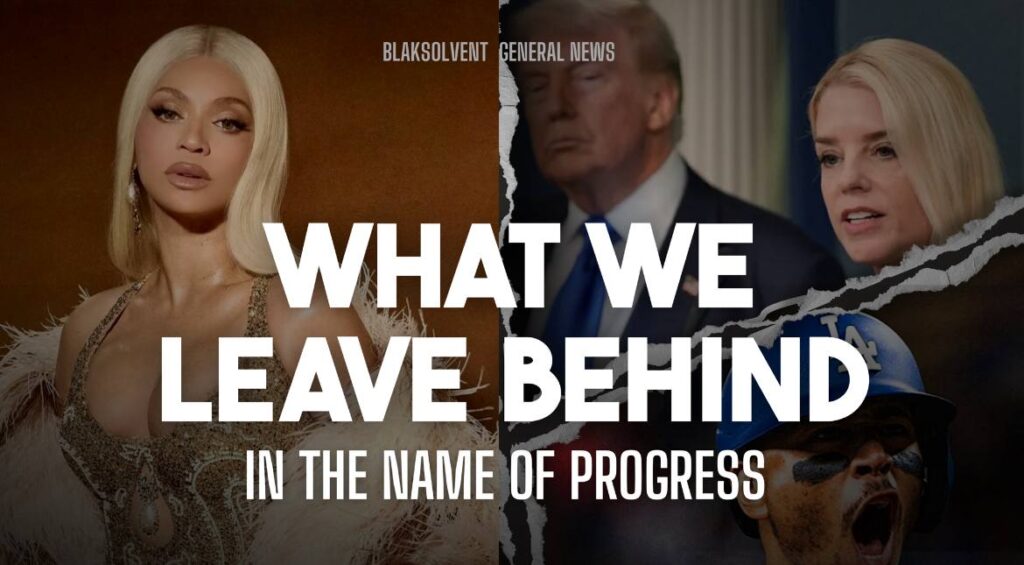
In Atlanta, the theft of unreleased Beyoncé material during her Cowboy Carter tour serves as a stark reminder that in an age of hyper-connectivity, even the most guarded creative works remain vulnerable. It’s not just about music—it’s about legacy, ownership, and the value of artistic privacy in a digital era hungry for leaks.
Meanwhile, in Utah, the dismissal of charges against Dr. Michael Moore Jr. reopens conversations about justice, misinformation, and the pressure placed on professionals navigating the moral maelstrom of a pandemic. What began as a cautionary tale now ends in ambiguity—forcing us to question how much we truly understood about that chaotic chapter in global health.
And on the diamond, the curveball—once baseball’s poetic answer to brute force—is quietly fading. As pitchers chase speed and efficiency, the art of deception bows to data. The evolution may be inevitable, but it raises a timeless question: what do we lose when we trade craft for control?
In all three stories—art, science, and sport—there’s a common thread: transformation. And in that transformation, we are left to wonder not just what’s changing, but what’s being left behind.
Unreleased Beyoncé Songs Reportedly Stolen in Atlanta Car Theft Incident Involving Tour Choreographer
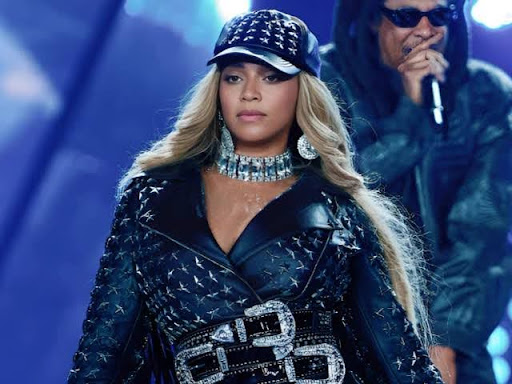
Atlanta, Georgia — A security breach involving Beyoncé’s Cowboy Carter world tour has raised alarms across the music industry as unreleased tracks by the global superstar were allegedly stolen from the vehicle of one of her choreographers during the tour’s Atlanta stop.
According to sources close to the production team, the choreographer, whose identity remains undisclosed had left a rental car parked near the venue when the break-in occurred. Multiple electronics, including a laptop and external hard drives believed to contain unreleased music, were reportedly taken in the incident.
While official details from Beyoncé’s camp remain scarce, insiders familiar with the situation suggest that the stolen files may include unreleased demos, alternate versions of Cowboy Carter songs, and possibly unreleased visuals from rehearsals and performances. The loss has not only sparked concern about potential leaks but also raised serious questions about digital security and privacy during high-profile tours.
“This isn’t just about a theft, it’s about intellectual property and months, even years, of creative work,” said a music industry insider. “With an artist like Beyoncé, even the rehearsal footage has significant value.”
Atlanta police confirmed that a theft report was filed and that an investigation is currently underway. They are reviewing surveillance footage from nearby areas and seeking public assistance for any leads related to the break-in.
Beyoncé has yet to issue an official statement, and her Cowboy Carter tour schedule remains unchanged for now. However, security protocols for the tour are expected to undergo immediate review, especially in light of growing concerns over the safety of high-profile artist content while on the road.
Fans online have already begun circulating unverified rumors and alleged audio snippets, though none have been authenticated. Beyhive supporters have called for discretion and respect, urging others not to engage with or share any leaked content, should it surface.
The Cowboy Carter tour, which has been hailed for its cultural celebration of Southern Black identity and genre fusion, continues to draw massive crowds across North America. However, this incident marks an unfortunate shadow over what has otherwise been a triumphant moment in Beyoncé’s expansive career.
As the investigation unfolds, the music world watches closely—not just for updates, but for a reaffirmation that creative work, especially by Black artists, remains protected, respected, and secured.
Charges Dismissed Against Utah Physician Previously Accused of Willfully Wasting COVID-19 Vaccines

Salt Lake City, Utah — A legal case that stirred national debate during the height of the pandemic has come to a surprising end. Charges against a Utah doctor who was previously accused of intentionally destroying over $28,000 worth of COVID-19 vaccine doses have been formally dropped.
Dr. Michael Kirk Moore Jr., a plastic surgeon based in the Salt Lake City area, was indicted in early 2023 alongside three others for allegedly running a scheme in which they disposed of legitimate COVID-19 vaccines and issued falsified vaccination cards to patients. Prosecutors claimed that Moore had intentionally destroyed approximately 2,000 vaccine doses while supplying individuals with fraudulent documentation to circumvent public health mandates.
At the time, the U.S. Department of Justice described the act as a “blatant abuse of a position of trust” and emphasized the potential risks it posed during a critical phase of the pandemic.
However, according to court filings released this week, federal prosecutors moved to dismiss all charges after new evidence and testimony failed to support the core allegations beyond a reasonable doubt. While details behind the dismissal remain partially sealed, sources close to the case suggest that inconsistencies in witness accounts and procedural concerns during the investigation contributed to the decision.
Dr. Moore’s legal team welcomed the outcome, stating in a press release:
“From the beginning, Dr. Moore maintained his innocence. Today’s decision is a long-overdue vindication for a man whose professional reputation and personal life were severely impacted by these accusations.”
Public response has been mixed. While some have expressed outrage, citing the seriousness of tampering with life-saving public health resources, others have raised questions about the fairness of the original prosecution and the broader climate of distrust that surrounded vaccine mandates.
The case was one of the most high-profile instances in which a licensed medical professional was accused of deliberately undermining the national vaccination campaign. Now, with the charges dismissed, Dr. Moore is expected to pursue the reinstatement of his medical license, which was suspended pending the outcome of the investigation.
This development serves as a reminder of the legal and ethical complexities that emerged during the pandemic—a time when science, politics, and personal belief collided in unprecedented ways.
Fading Fast: The Curveball Declines as MLB Pitchers Prioritize Power Over Precision

Major League Baseball — One of baseball’s oldest and most iconic pitches is quietly vanishing from the modern game. As pitchers increasingly pursue speed and power to dominate batters, the traditional curveball—a once-formidable weapon known for its sharp downward break—is becoming a rare sight on the mound.
Recent league analytics show a significant decline in curveball usage across Major League Baseball. In the early 2000s, it was a staple in nearly every pitcher’s arsenal. Today, it’s being replaced by faster, sharper pitches like sliders, cutters, and high-velocity fastballs that better align with the current metrics of pitching success.
At the heart of this shift is the league-wide obsession with velocity. Pitchers are now trained from early development to reach higher speeds—often topping 95 to 100 mph. In this arms race for speed, the curveball—typically slower and requiring more finesse—has fallen out of favor.
“It’s a simple trade-off,” said former MLB pitching coach Alan Rivera. “Scouts and coaches are prioritizing velocity, spin rate, and pitch efficiency. The curveball, while effective, doesn’t generate the same analytics value as, say, a 98 mph slider with horizontal movement.”
Modern hitters, armed with data and video breakdowns, have also become better at recognizing the traditional curveball’s telltale loop, making it less effective against today’s batters. As a result, pitchers opt for pitches that maintain deception while minimizing speed drop-offs.
Yet, baseball purists and seasoned pitchers are pushing back on the trend.
“There’s still magic in the curveball,” said veteran pitcher Zack Grimes, who has built his career around the pitch. “It’s artful, strategic, and beautiful when done right. But the game today is about explosions, not elegance.”
Despite its decline, the curveball isn’t entirely extinct. Some pitchers still incorporate it strategically to disrupt timing and balance aggressive hitters. But its role has evolved—from a primary out pitch to a supporting act in a tightly optimized repertoire.
As MLB continues to embrace data-driven performance, the curveball’s disappearance speaks to the broader transformation of the sport—where velocity is king, and tradition must adapt or fade away.