“Of Sovereignty, Legacy, and the Weight of History”
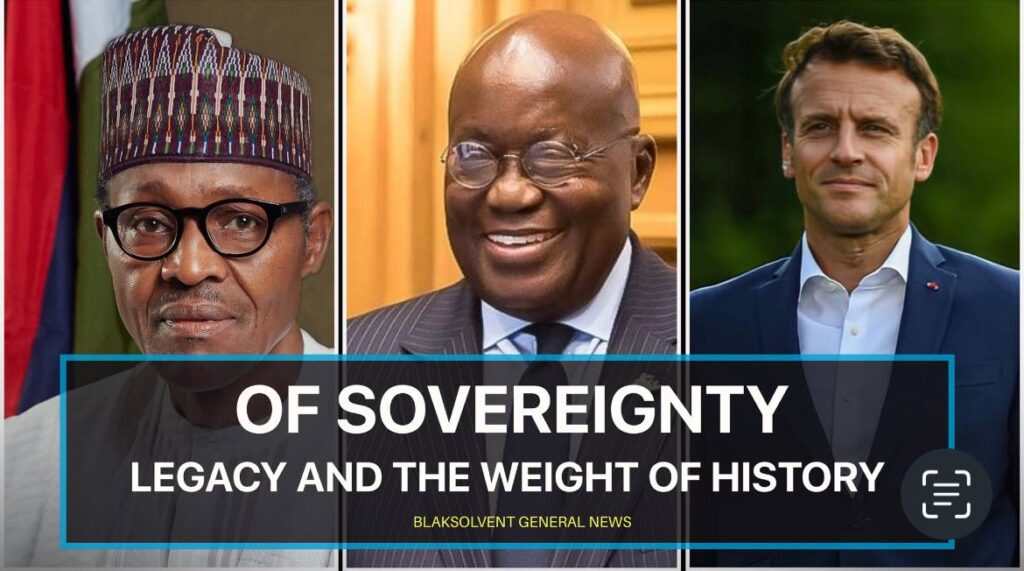
In a day marked by reckoning and realignment, three headlines revealed the fragile balance between control, identity, and remembrance.
New Caledonia’s partial liberation, enshrined in a statehood agreement that stops short of independence, is both a victory and a compromise. France keeps its flag flying, but the Kanak people gain overdue recognition. It’s a step forward—delicate, unfinished, but historic. A reminder that sovereignty, in the modern world, is often negotiated in shades of autonomy, not absolutes.
Nigeria, meanwhile, looks back. The death of former President Muhammadu Buhari ends a turbulent era defined by austerity, ambition, and contradiction. A soldier who became a statesman, Buhari leaves behind a nation still grappling with the very challenges he vowed to end: corruption, insecurity, and uneven prosperity. His passing forces reflection—not just on the man, but on the promises of leadership.
And in Accra, Ghana’s president calls time on silence. With bold clarity, Nana Akufo-Addo demands reparations for centuries of exploitation—no longer content with symbolic gestures. His message echoes far beyond Africa: history must be accounted for, not merely remembered.
Together, these stories form a mosaic of power and reckoning—territories reshaping their status, nations confronting their past, and leaders shaping narratives that stretch beyond borders. The world is rewriting its terms—one legacy, one demand, one agreement at a time.
New Caledonia to Gain Statehood in Landmark Deal — But Remains Under French Sovereignty
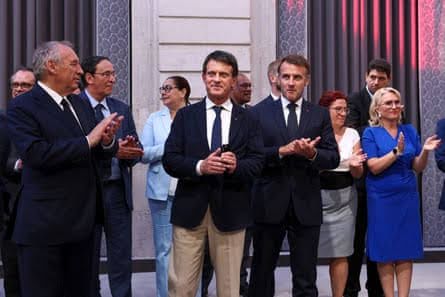
NOUMÉA, NEW CALEDONIA — In a groundbreaking political breakthrough, the French territory of New Caledonia is set to become a “state” within the French Republic, following a historic agreement reached between local leaders and the French government. While this new status will grant New Caledonia greater autonomy and formal recognition of its indigenous Kanak identity, it will remain under French control, stopping short of full independence.
The announcement, made jointly by French President Emmanuel Macron and New Caledonia’s political leaders, has been hailed as a “historic compromise” aimed at ending decades of political unrest and colonial tension in the Pacific archipelago.
“This agreement is not the end of our story, but the beginning of a new chapter built on equality, recognition, and respect,” Macron said in a televised address from Paris.
What the Agreement Means
Under the new arrangement, New Caledonia will be officially recognized as a “state” within the French Republic, similar in framework to an autonomous region. It will gain:
- Enhanced control over local laws, education, culture, and natural resources
- Formal recognition of Kanak identity, language, and political representation
- A guarantee of French citizenship and continued economic support from Paris
However, the French government will retain authority over defense, foreign policy, currency, and border control. This hybrid model aims to address long-standing grievances among the Kanak people, who have long demanded decolonization and self-rule.
A Long Road to Resolution
The decision comes after decades of political tension and three failed referendums on independence, the most recent in 2021, all of which returned narrow votes to remain French. The referendums were marred by low turnout, particularly among the indigenous Kanak population, who boycotted the last vote amid claims of unfair political conditions.
Following that stalemate, tensions flared again in May 2024, when violent protests erupted over proposed changes to the voting system that many Kanaks believed would dilute their political influence. Dozens were injured, and France imposed a state of emergency.
This new agreement is the result of intense negotiations involving French authorities, Kanak pro-independence groups, and loyalist parties, mediated over months of dialogue in both Nouméa and Paris.
Reactions and Cautious Optimism
The response to the deal has been mixed but largely hopeful. Pro-independence leader Roch Wamytan called the agreement “a moral and political step forward,” noting that while full independence was not achieved, the recognition of Kanak sovereignty within the Republic was “symbolically powerful.”
Loyalist groups who want to remain French say the deal preserves national unity while answering local demands.
Yet some hardline Kanak activists have rejected the deal, calling it a “cosmetic solution” that avoids true decolonization. Civil society groups warn that without proper implementation, the agreement could unravel.
What Comes Next
The agreement still needs to pass ratification in the French Parliament and through local legislative processes in New Caledonia. A constitutional amendment may also be required to formalize the new status.
Analysts say this deal could become a model for post-colonial autonomy frameworks, particularly as France faces growing scrutiny over its overseas territories and their demands for greater self-determination.
Ghana’s President Demands Reparations for Slavery and Colonialism in Global Appeal
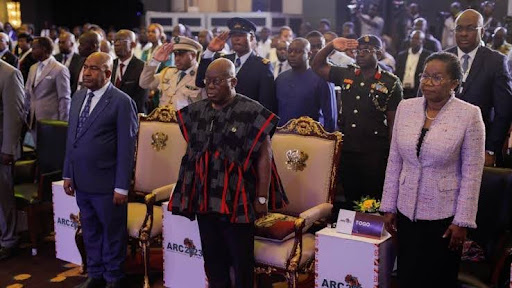
ACCRA, GHANA — In a powerful call to the international community, Ghanaian President Nana Akufo-Addo has renewed demands for reparations to African nations for the transatlantic slave trade and centuries of colonial exploitation. Speaking at a major summit on reparative justice in Accra, the president said that the time has come for former colonial powers to acknowledge their historical wrongs not just with words—but with compensation.
“No amount of money can restore the damage done,” Akufo-Addo said during the keynote address. “But reparations must be paid—not out of charity, but out of justice and recognition of the crimes committed against Africa.”
Reparations Not a Handout, But a Historical Duty
The Ghanaian leader emphasized that calls for reparations are not about sympathy or aid, but about accountability and justice. Drawing comparisons to how other historically oppressed groups—such as Holocaust survivors—have received reparations, he questioned why the same principle hasn’t been applied to Africa.
“The transatlantic slave trade was one of the worst crimes against humanity. Millions of Africans were stolen from their land, stripped of their identity, and subjected to unimaginable cruelty. And yet, no formal reparations have ever been paid,” he asserted.
The summit, which brought together African heads of state, civil rights activists, and historians, marked a renewed push by the African Union to create a unified front for global reparations discussions.
A Growing Movement Across the Continent and Diaspora
Ghana has positioned itself at the forefront of the African reparations movement. In recent years, the country has hosted several Pan-African conferences and launched initiatives such as the “Year of Return” to reconnect African diasporas with their ancestral homeland.
This latest speech signals a shift from symbolic efforts to concrete demands. President Akufo-Addo called on European nations, particularly the UK, Portugal, France, Spain, and the Netherlands, to engage in formal reparations dialogues.
“Africa’s wealth built the Western world. Our gold, our labor, our lives. It’s time the world paid its debt,” he said, to thunderous applause.
Global Reactions and Colonial Accountability
International responses to Ghana’s renewed push have been mixed. While some advocacy groups and historians in the U.S., UK, and Caribbean nations expressed solidarity, several European governments have remained noncommittal.
A spokesperson for the British Foreign Office stated, “While we acknowledge the historic impact of slavery, our focus remains on fostering strong partnerships with African nations moving forward.”
Critics argue that such responses sidestep moral and legal responsibility. Prominent African-American activist Dr. Angela Reynolds, who attended the summit, remarked, “Apologies without reparations are hollow. Justice requires both truth and restitution.”
Next Steps: Towards a Global Reparations Tribunal?
President Akufo-Addo concluded his address by proposing a global reparations tribunal under the United Nations framework—a bold initiative that would push the issue onto international legal platforms.
“We will not be silenced. We will not be pacified by platitudes. The time for reparative justice is now,” he declared.
As Africa asserts its voice on the global stage, Ghana’s leadership is making it clear that historical amnesia is no longer acceptable—and the call for reparations is no longer optional.
End of an Era: Ex‑President Buhari Dies at 82 in London
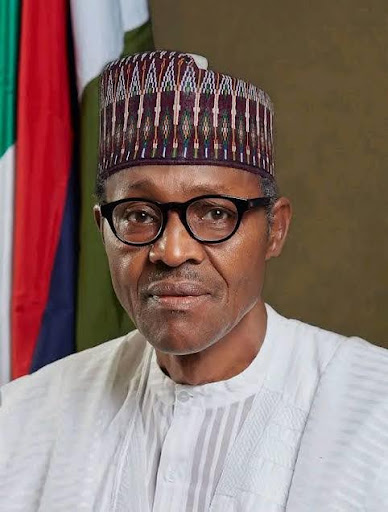
LAGOS, NIGERIA — Nigeria is in mourning following the death of former President Muhammadu Buhari, who passed away at the age of 82 in London on Saturday, July 13, 2025, after a prolonged illness. The announcement, confirmed by presidential sources, closes the chapter on one of the most influential and controversial figures in Nigeria’s political history.
Buhari, a former military ruler turned democratically elected president, served two terms as a civilian leader from 2015 to 2023. His passing has triggered an outpouring of condolences from across Africa and the world, as debates about his complex legacy resurface.
From Coup to Constitution: A Lifetime in Power
Born on December 17, 1942, in Daura, Katsina State, Buhari first rose to national prominence as a military officer. He seized power in a 1983 military coup, ruling Nigeria with an iron fist until he was overthrown in 1985. Known for his strict anti-corruption stance and draconian public discipline campaigns, Buhari remained a polarizing figure long after his military tenure.
Three decades later, in a stunning democratic comeback, he became the first opposition candidate in Nigeria’s history to defeat an incumbent president at the ballot box. In 2015, he defeated Goodluck Jonathan and assumed office as a civilian, declaring himself a “converted democrat.”
A Presidency of Mixed Fortunes
During his civilian rule, Buhari positioned himself as a crusader against corruption and misgovernance. His administration launched high-profile anti-graft cases and gained support from international partners like the United States and the United Kingdom. Yet, critics accused him of selective justice and centralizing power.
Security was a persistent challenge. His promise to defeat Boko Haram remained only partially fulfilled, and new threats emerged from banditry and separatist movements. His administration’s response to the #EndSARS protests in 2020 drew global condemnation for excessive force and authoritarian tendencies.
On the economic front, Nigeria under Buhari suffered two recessions, rising inflation, and high youth unemployment. Despite infrastructure investments, many Nigerians felt the sting of hardship under his leadership—earning him the nickname “Baba Go Slow.”
Final Days and National Farewell
Buhari had been receiving medical care in the United Kingdom for months before his death. Sources close to the family confirmed that he passed peacefully in the presence of close relatives and aides. The Nigerian government has announced a seven-day mourning period, with national flags flown at half-mast.
He will be buried in his hometown, Daura, in accordance with Islamic rites.
President Bola Ahmed Tinubu described Buhari as “a disciplined leader and a patriot who served Nigeria with dedication.” Former leaders, including Goodluck Jonathan and Olusegun Obasanjo, extended their condolences, while African Union and ECOWAS leaders hailed him as a “pan-African statesman.”
A Divided Legacy
As Nigerians reflect on Buhari’s legacy, the mood is somber but complicated. To some, he was a man of integrity who gave his all to the country. To others, his rule—military and civilian—was marked by unfulfilled promises and democratic backsliding.
Regardless of where history ultimately places him, Muhammadu Buhari’s imprint on Nigeria is undeniable. He leaves behind a legacy of strong convictions, firm leadership, and a nation still grappling with the very issues he once promised to solve.