Charting a Better Future Through Vision, Innovation, and Action
As the world grapples with the intersecting challenges of inequality, climate change, and youth disempowerment, the events covered in today’s headlines offer a hopeful blueprint for progress—led by bold commitments, groundbreaking technologies, and inclusive policymaking.
From Bill Gates’ $200 billion pledge to Africa, we witness the power of private capital being reimagined as a tool for systemic transformation. It’s a reminder that true philanthropy isn’t just charity—it’s a strategic investment in people, purpose, and future prosperity. If executed transparently and collaboratively, this vision could accelerate the rise of a self-sustaining, innovation-driven Africa.
Meanwhile, in Australia, the Young People in Sport Funding Program embodies what meaningful government action looks like: empowering young people with the resources and opportunities to thrive—on and off the field. It’s not just about medals or matches; it’s about instilling values of discipline, community, and equity. In an age of digital overload and sedentary lifestyles, this investment in physical activity and inclusion couldn’t come at a better time.
On the global front, the EU’s launch of Earth Observation Services for maritime pollution control signals a pivotal moment in environmental stewardship. Leveraging satellite intelligence to hold polluters accountable isn’t just innovation—it’s justice for the oceans, marine life, and coastal communities. It’s a model for how governments can use data not only to monitor but to protect, prevent, and preserve.
Together, these stories underscore a larger truth: the solutions to our world’s most pressing problems exist—when there is vision, willpower, and cross-sector collaboration. Whether it’s a billionaire investing in future generations, a nation nurturing young talent, or a continent using space-age tech to defend nature, change happens when bold ideas meet actionable systems.
And so, while the challenges ahead remain daunting, today’s developments remind us that a better, fairer, and more sustainable world is not only possible—it is already taking shape.
Bill Gates Commits Bulk of $200 Billion Fortune to Africa’s Growth and Development

SEATTLE, USA — In a historic philanthropic pivot, billionaire and Microsoft co-founder Bill Gates has announced his intention to allocate the majority of his estimated $200 billion net worth toward advancing development across Africa. This bold commitment is set to redefine the trajectory of global giving and could reshape the future of the continent’s healthcare, education, agriculture, and technological sectors.
The announcement, made during a keynote speech at the Gates Foundation Global Impact Forum held in Seattle, marks one of the largest private pledges ever made to the African continent.
“Africa holds the key to the future. Its young population, untapped innovation, and urgent needs make it the most important investment we can make in humanity’s collective progress,” said Gates during the address.
A Lifelong Mission, Intensified
Gates, through the Bill & Melinda Gates Foundation, has long focused on health and development initiatives in Africa. The Foundation has invested billions over the past two decades in fighting malaria, polio, and HIV/AIDS, as well as supporting agriculture and vaccine access. However, this new direction signals an unprecedented scale and focus.
He revealed that a significant portion of his wealth will be directed toward building sustainable systems that empower African nations to solve their own challenges—moving from aid dependency to long-term autonomy.
Focus Areas: Health, Tech, Education, and Food Security
The plan reportedly includes multi-billion-dollar investments into:
- Healthcare Infrastructure: Expanding access to primary healthcare, maternal services, and vaccine innovation hubs.
- Education and Digital Literacy: Funding programs to provide quality education and digital skills for Africa’s booming youth population.
- Agriculture and Food Systems: Supporting climate-smart farming, improving food storage technologies, and empowering smallholder farmers.
- Technology and Innovation: Establishing grant funds and accelerators for African-led tech startups working on solutions for local challenges.
- Renewable Energy and Water Access: Investing in off-grid power systems and water purification technologies to address energy poverty and water scarcity.
Strategic Partnerships and African-Led Leadership
Gates emphasized the importance of partnerships with African governments, NGOs, and private enterprises. He called for African-led solutions, pledging that local voices would shape how and where funds are deployed.
“The people closest to the challenges are the best equipped to solve them. Our role is to provide the tools, resources, and trust to let them lead,” he stated.
The Gates Foundation is already in talks with regional bodies like the African Union and major institutions such as the African Development Bank to coordinate priorities and avoid duplication of efforts.
An Eye on the Future
Analysts see this pledge not only as a philanthropic move but a geopolitical one. As other global powers like China, the U.S., and Russia vie for influence in Africa, Gates’ long-term developmental approach may set a different tone—one centered on empowerment over extraction.
While some critics argue that philanthropy of this scale can risk influencing national policies, others welcome the massive injection of funds as a potential game-changer for development across the continent.
Africa’s Rising Opportunity
Africa is home to over 1.4 billion people and is projected to be the most populous continent by 2050. Yet, it remains underfunded and underserved in many sectors. Gates’ move, while ambitious, aligns with the rising belief that global prosperity depends significantly on Africa’s success.
In closing, Gates reflected on the broader implications of his decision:
“This is not about charity. It’s about justice, innovation, and creating a world where everyone has a fair shot—especially those who have historically been overlooked.”
What’s Next?
According to the Gates Foundation, the disbursement and execution strategy for the funds will be rolled out gradually over the next 25 years, with progress reports and regional summits planned to ensure transparency and accountability.
If fully realized, Gates’ historic pledge could catalyze an era of African renewal—driven not just by funding, but by a vision of equity, innovation, and dignity.
Australia Launches Major Sports Funding Initiative to Empower Young Athletes Nationwide

CANBERRA, AUSTRALIA — In a bold move to strengthen youth engagement and excellence in sports, the Australian government has launched a revitalized Young People in Sport Funding Program, designed to provide substantial financial and structural support to emerging athletes across the country. The program aims to foster grassroots participation while nurturing future Olympians, professional athletes, and community leaders through sport.
The initiative, unveiled today by Minister for Sport Anika Wells, is part of the federal government’s wider strategy to promote youth development, healthy lifestyles, and national representation in international competitions.
“This is about more than sport—it’s about opportunity, inclusion, and building a healthier, more connected Australia,” said Minister Wells during the announcement in Canberra.
A Renewed Investment in the Next Generation
The Young People in Sport Funding Program is expected to deliver over AUD 100 million in targeted investments over the next four years. It will be channeled through schools, local clubs, and non-profit organizations to support children and young adults aged 12 to 25.
Funding will focus on:
- Access to Equipment and Facilities: Ensuring young athletes in remote, regional, and underserved communities have access to modern sports gear and safe playing grounds.
- Scholarships and Travel Grants: Covering costs associated with regional, national, or international competitions for talented individuals facing financial barriers.
- Coaching and Training Support: Hiring qualified coaches, organizing clinics, and providing professional development for sports educators.
- Inclusive Sports Programs: Promoting participation among underrepresented groups including Indigenous Australians, people with disabilities, and girls in traditionally male-dominated sports.
Prioritizing Equity and Participation
Officials emphasized that the program is not solely focused on elite talent but aims to broaden participation and bridge disparities in sport access across Australia. Special attention will be given to communities experiencing socioeconomic challenges.
“No child should miss out on the life-changing benefits of sport simply because of where they live or how much their family earns,” Minister Wells added.
Boosting National Pride and Global Competitiveness
With the 2032 Brisbane Olympics on the horizon, the program is expected to play a crucial role in developing Australia’s next generation of sporting champions. It complements other high-performance initiatives but places a stronger emphasis on long-term, inclusive development rather than short-term medal wins.
Sports Australia, the government’s official body for sports development, will administer the program in collaboration with state and territory governments, ensuring regional priorities and cultural factors are respected in rollout strategies.
Community Voices and Expert Praise
The program has received widespread support from sports clubs, parents, and advocacy groups. Fiona de Jong, former Chef de Mission for the Australian Olympic Team, hailed the initiative as “a generational opportunity to democratize sport and uncover hidden talent.”
Grassroots clubs have already begun preparing grant applications, with the first round of funding set to open on July 1, 2025.
A National Legacy in the Making
The Young People in Sport Funding Program represents a vision of Australia where sport is not a privilege, but a right—accessible to all, regardless of background.
“Whether it’s kicking a ball, swimming a lap, or running a track—this program is about giving every young Australian the chance to dream, play, and succeed,” Minister Wells concluded.
Europe Launches Cutting-Edge Satellite Program to Track Maritime Litter and Enforce Ship Pollution Policies
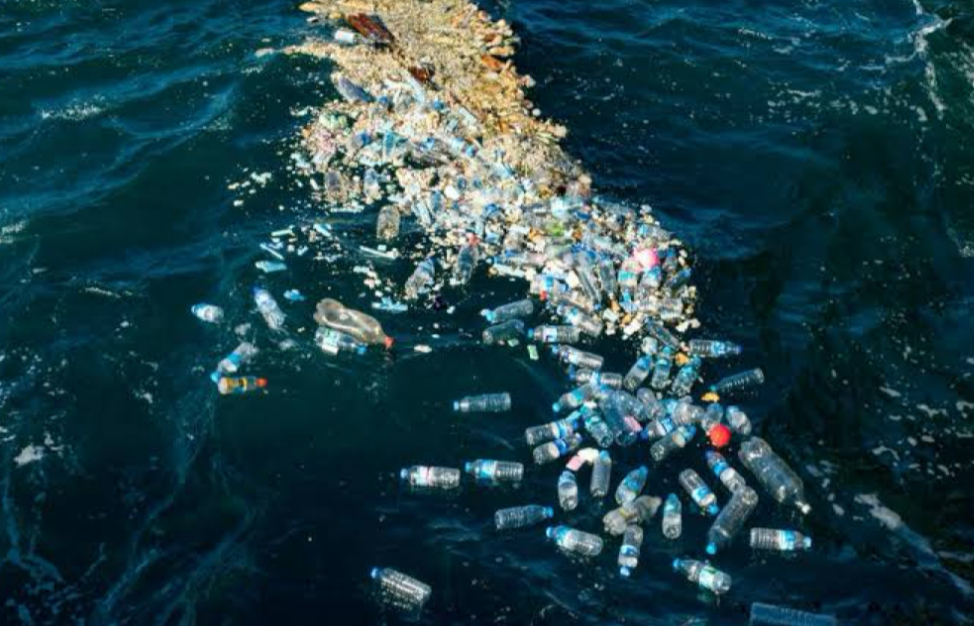
BRUSSELS, BELGIUM — A major step forward in the fight against ocean pollution is underway as the European Union, in partnership with leading space and environmental agencies, has unveiled a new initiative offering innovative Earth observation services to support maritime litter detection and the enforcement of ship-source pollution policies.
The program, built on advancements in satellite imaging and artificial intelligence, aims to provide real-time monitoring of marine environments, empowering authorities to track illegal discharges from ships and the movement of floating waste across European waters.
“This project strengthens our capacity to protect marine ecosystems and hold polluters accountable using state-of-the-art space technology,” said Virginijus Sinkevičius, EU Commissioner for Environment, Oceans and Fisheries.
Earth Observation Meets Ocean Protection
The initiative harnesses high-resolution data from the Copernicus Earth Observation Program, which is jointly managed by the European Space Agency (ESA) and the European Commission. Specialized sensors aboard satellites can now detect oil spills, plastic clusters, and chemical discharges with remarkable precision—even in remote ocean areas.
Paired with advanced data analytics and AI models, the service can:
- Identify ship-originated pollution trails, including oil slicks and illegal waste dumping.
- Track the accumulation and flow of marine litter, especially plastics, across coastal and offshore zones.
- Forecast pollution drift patterns using ocean current simulations and meteorological data.
- Support legal enforcement, supplying actionable evidence to authorities such as the European Maritime Safety Agency (EMSA) and national coast guards.
Enhancing Policy Implementation and Accountability
One of the program’s primary goals is to reinforce EU marine protection regulations, such as the Marine Strategy Framework Directive and MARPOL Annex V, by ensuring transparent surveillance and reliable data. Environmental agencies, port authorities, and policymakers will be equipped with weekly reports and real-time alerts, enabling quicker responses and stronger enforcement.
“We are combining satellite surveillance with legal instruments to close the gap between detection and prosecution,” said an EMSA spokesperson.
Collaboration with Member States and Global Partners
The Earth observation services are being rolled out in cooperation with national maritime administrations across the EU. Additionally, global partners such as the United Nations Environment Programme (UNEP) and International Maritime Organization (IMO) are exploring collaboration opportunities to scale the technology for worldwide use.
The project will also engage researchers, NGOs, and citizen science groups in data verification and environmental advocacy efforts.
Protecting Biodiversity and Blue Economies
Maritime litter and ship-source pollution are critical threats to marine biodiversity, tourism, and fisheries. Studies show that over 11 million metric tons of plastic enter the oceans every year, much of it ending up in sensitive ecosystems.
By improving detection and accountability, the EU hopes to reduce pollution at the source and safeguard the health of the Blue Economy, which supports over 4.5 million jobs and generates billions in annual revenue across Europe.
A Model for the Future
Environmental advocates have praised the initiative as a turning point in ocean conservation. Satellite-driven monitoring, once reserved for climate science and military applications, is now being deployed to directly protect the planet’s most fragile environments.
“This is the future of environmental protection: precision technology, real-time accountability, and cross-border cooperation,” said Claire Fontaine, director of the European Marine Conservation Alliance.
What’s Next?
Pilot testing is currently underway in key maritime zones including the North Sea, Mediterranean, and Baltic regions. Full operational deployment is expected by early 2026, with open data platforms available to NGOs, journalists, and the public.