Reflections on a Changing World

As the dust settles on these major global events, the world is once again reminded of its unpredictability—where disaster, economic shifts, and personal tragedies shape the course of history. Each of these stories serves as a stark reflection of the challenges that lie ahead, not just for those directly affected but for the global community as a whole.
In Myanmar, the earthquake is more than just a natural disaster; it is a humanitarian crisis that will test the resilience of an already fragile nation. The loss of life, the displacement of thousands, and the destruction of critical infrastructure raise urgent questions about disaster preparedness, international aid, and the role of global solidarity in times of crisis. As relief efforts continue, Myanmar stands at a crossroads—one that will determine not just how it recovers, but how it rebuilds for a future that is increasingly uncertain.
Meanwhile, the looming trade war ignited by the U.S.’s “Liberation Day” tariffs serves as a stark reminder of the interconnectedness of global economies. What may seem like a domestic economic policy can send shockwaves through international markets, affecting industries, jobs, and livelihoods worldwide. The unpredictability of such economic maneuvers forces governments, businesses, and investors to adapt rapidly, often with high stakes and little room for error. As countries prepare their countermeasures, the next few months could shape the future of international trade and diplomacy for years to come.
And in the world of sports, Tai Woffinden’s devastating accident is a sobering moment for the speedway community. His fight for recovery is a reminder of the risks athletes take in pursuit of greatness, and his story resonates far beyond the track. It is a testament to the fragility of human strength and the resilience required to overcome adversity. Whether he returns to racing or not, Woffinden’s legacy as a champion is already cemented—but his most important battle is still ahead.
These stories, though different in nature, are tied together by a common thread—they are reminders of how quickly life can change, how deeply global events are connected, and how resilience remains humanity’s greatest asset. As we move forward, Blacksolvent News will continue to watch, analyze, and report—not just on the facts, but on the larger narratives that shape our world. Because in an era where everything is in motion, understanding the bigger picture is more important than ever.
Myanmar Earthquake Disaster: Over 2,000 Dead as Rescue Efforts Intensify
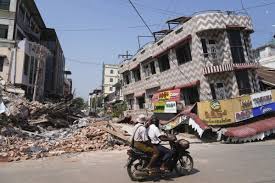
A catastrophic 7.2-magnitude earthquake has rocked Myanmar, leaving more than 2,000 people dead and thousands injured, with many more feared trapped under the rubble. The devastating earthquake struck late Friday evening, sending shockwaves across the region, including neighboring Thailand, Bangladesh, and parts of India.
Widespread Destruction and Rescue Challenges
The epicenter of the quake was in Myanmar’s central region, an area known for its vulnerable infrastructure and limited emergency response capabilities. Entire villages have been flattened, roads and bridges destroyed, and communication lines severely disrupted, making it difficult for rescue teams to reach those in need. In some of the worst-hit areas, landslides triggered by the tremors have further complicated relief efforts, burying homes and cutting off access to remote communities.
“We are facing one of the worst disasters in recent history,” said an official from Myanmar’s National Disaster Management Agency. “Hospitals are overwhelmed, and emergency responders are struggling to reach survivors in the most affected areas.”
International Response and Humanitarian Crisis
The Myanmar government has declared a state of emergency and is urgently calling for international assistance. Several countries, including China, Thailand, and India, have begun deploying emergency aid teams, medical supplies, and rescue personnel. The United Nations has also pledged support, warning that the humanitarian crisis could worsen without immediate relief efforts.
Humanitarian organizations estimate that over 500,000 people could be displaced, with many now facing food and water shortages. Temporary shelters have been set up in major cities, but access to clean water and medical care remains a challenge. There are growing fears of waterborne diseases spreading due to damaged sewage systems and contaminated water supplies.
Economic and Social Impact
Beyond the immediate destruction, the earthquake is expected to have long-term economic consequences. Myanmar, already facing economic difficulties due to political instability, now faces billions of dollars in reconstruction costs. Key industries, including agriculture and manufacturing, have been severely affected, and supply chains disrupted.
As rescue and recovery efforts continue, authorities are urging people in affected regions to remain vigilant due to the possibility of aftershocks. Experts predict that the next 72 hours will be critical in determining the full scale of the disaster.
Global Markets Plummet as U.S. Prepares for “Liberation Day” Trade Tariffs
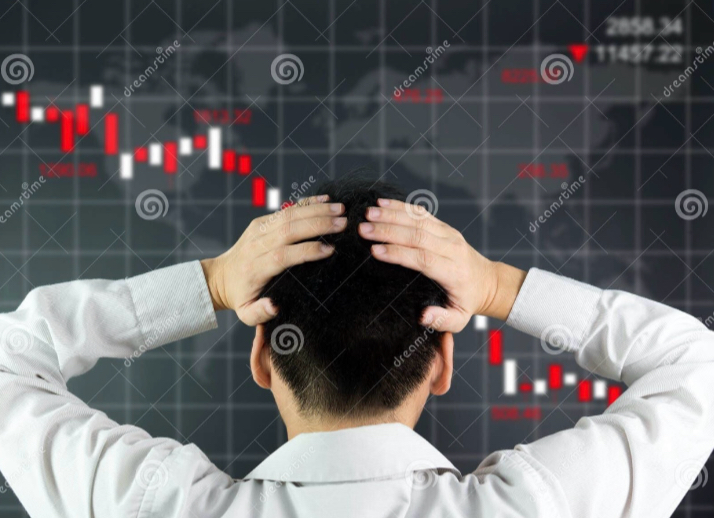
Global stock markets have suffered a sharp downturn in response to the United States’ impending “Liberation Day” tariffs, a move President Donald Trump has framed as a major step toward economic self-sufficiency and fair trade policies. The new tariffs, set to take effect on April 2, 2025, are expected to impact a broad range of goods from China, Mexico, Canada, the European Union, and several Asian economies.
Stock Market Reaction and Economic Uncertainty
Markets across the world have been in free fall as investors react to the uncertainty surrounding the U.S.’s aggressive trade policies. The Dow Jones Industrial Average dropped 4.5%, while the Nasdaq and S&P 500 recorded their largest single-day losses in nearly two years. In Europe, the FTSE 100, DAX, and CAC 40 all declined by more than 3%, reflecting investor fears over potential retaliatory measures from affected nations.
“The market reaction has been severe, and we’re seeing investors move toward safe-haven assets like gold and U.S. Treasury bonds,” said Rachel Morgan, a senior analyst at Blacksolvent Financial Insights. “Businesses are worried about supply chain disruptions, rising costs, and retaliatory tariffs that could impact global trade.”
Impact on Businesses and Consumers
The tariffs will impose additional taxes on imports ranging from automobiles and electronics to steel, aluminum, and agricultural products. U.S. manufacturers who rely on imported raw materials fear increased costs, which could lead to higher prices for consumers. Meanwhile, foreign businesses exporting to the U.S. are scrambling to renegotiate contracts or find alternative markets to mitigate losses.
China has already signaled its intention to retaliate with countermeasures, targeting U.S. agricultural products, semiconductors, and energy exports. The European Union has vowed to challenge the tariffs through the World Trade Organization (WTO) while preparing its own set of economic counteractions.
Political and Geopolitical Ramifications
While the White House insists the tariffs are necessary to reduce the U.S. trade deficit and protect domestic industries, critics argue they could trigger a global trade war with severe economic repercussions. Some U.S. lawmakers have expressed concern over the policy’s potential to increase inflation and hurt American businesses that depend on international trade.
As the world watches how nations respond, economists warn that prolonged trade conflicts could weaken global economic growth and destabilize emerging markets that rely on exports. The coming weeks will be crucial in determining whether diplomatic negotiations can de-escalate tensions or if a full-scale trade war is inevitable.
British Speedway Champion Tai Woffinden in Medically Induced Coma After Devastating Crash

British speedway legend Tai Woffinden remains in a medically induced coma following a severe crash during a high-stakes race in Krosno, Poland. The 34-year-old three-time Speedway World Champion suffered multiple fractures, including broken ribs, legs, and collarbone, after colliding with another rider and slamming into the safety barriers at high speed.
The Crash: What Happened?
The accident occurred during the final laps of a Polish Speedway League event, where Woffinden was battling for position. Video footage shows the British racer losing control mid-turn, making contact with another rider before being thrown into the air and crashing headfirst into the protective fencing. The force of the impact left him unconscious on the track, requiring immediate medical attention.
Emergency responders rushed Woffinden to a nearby hospital, where he underwent emergency surgery to stabilize his injuries. Doctors later placed him in a medically induced coma to reduce swelling in his brain and allow his body to recover from the trauma.
Medical Condition and Family Support
Hospital officials have described Woffinden’s condition as serious but stable, though they have cautioned that the next few days will be critical in determining the extent of his recovery. His wife and family have flown to Poland to be by his side, while the global speedway community has expressed an outpouring of support.
“Tai is a warrior, and we are all praying for his full recovery,” said British Speedway teammate Robert Lambert. “He has overcome challenges before, and we believe he will fight through this too.”
Impact on His Career and the Sport
Woffinden, one of the most decorated riders in British speedway history, has been a dominant force in the sport for over a decade. His injury raises serious concerns about his future in racing, with experts warning that extensive rehabilitation may be required before he can return to competition.
Fans worldwide have started fundraising campaigns to support Woffinden’s medical expenses and long-term recovery. Meanwhile, the crash has reignited safety debates within the sport, with calls for improved track conditions, protective gear, and crash prevention measures to reduce the risk of serious injuries.
As Woffinden fights for recovery, the speedway world waits anxiously for updates, hoping to see one of its greatest champions return to the track.