A New Era of Marketing Unfolds
Today’s marketing landscape is undergoing a profound transformation as brands move away from traditional advertising models and embrace more innovative, tech-driven, and experiential strategies. Luxury fashion houses are shifting from highly polished digital perfection to more raw and authentic storytelling, proving that consumers now crave genuine connections over aspirational imagery. At the same time, artificial intelligence and digital product passports are redefining how brands engage with their customers, providing personalized experiences and unprecedented transparency in the luxury industry. Meanwhile, Pepsi’s bold ‘Chase Cars’ campaign reminds us that marketing is no longer just about advertisements—it’s about creating unforgettable moments that leave a lasting impression on consumers.
As these trends continue to evolve, one thing is clear: brands that prioritize authenticity, technology, and meaningful engagement will not only capture attention but also build stronger, more loyal communities. Marketing is no longer just about selling a product—it’s about creating experiences that resonate with people’s lives. Stay tuned to Blacksolvent News for more updates on the ever-changing world of marketing.
Luxury Brands Are Shifting Away from Digital Perfection and Embracing a More Authentic Marketing Approach

Luxury fashion brands are undergoing a significant transformation in their digital marketing strategies as they move away from meticulously curated, high-production advertisements in favor of more organic and authentic content. This shift is not just a stylistic choice but a necessary adaptation to changes in digital engagement trends, evolving consumer expectations, and the increasing unpredictability of social media algorithms.
For years, luxury brands have dominated digital spaces with polished visuals, celebrity endorsements, and high-budget campaigns. However, recent reports indicate that engagement on traditional platforms such as Instagram and TikTok is declining, forcing brands to rethink how they connect with audiences. Instead of relying on these platforms’ unpredictable reach, brands like Dior and Ralph Lauren are now prioritizing storytelling and community-driven experiences. The goal is to create marketing content that feels less like advertising and more like an invitation into the brand’s world.
Jacquemus, a fashion house known for its unconventional marketing strategies, is an excellent example of how brands are successfully adapting. By sharing behind-the-scenes footage, playful and unfiltered content, and raw moments of creativity, the brand has managed to capture the attention of younger audiences who appreciate authenticity over perfection. This marks a significant departure from the traditional luxury marketing playbook, which has historically relied on exclusivity and aspiration.
As this trend gains momentum, the luxury industry is redefining what it means to be digital-first. Rather than chasing viral moments or relying on algorithm-driven visibility, these brands are cultivating deeper, more meaningful relationships with their audiences. The future of luxury marketing will likely focus on blending heritage and innovation while maintaining an intimate, human-centered approach to branding.
Artificial Intelligence and Digital Product Passports Are Reshaping the Luxury Fashion Industry and Enhancing Consumer Experiences

The luxury fashion industry is embracing a new era of digital transformation as brands integrate artificial intelligence (AI) and digital product passports (DPPs) into their marketing strategies. This movement is driven by the need to offer hyper-personalized shopping experiences, improve operational efficiency, and provide greater transparency in product sourcing and authenticity.
AI has become a crucial tool for luxury brands looking to optimize customer engagement. Companies like Balenciaga and Burberry are using AI-driven chatbots, virtual stylists, and predictive analytics to tailor their marketing efforts to individual consumers. These AI systems analyze browsing habits, purchase history, and user preferences to provide real-time recommendations, making the online shopping experience feel as personalized as an in-store visit.
Beyond AI, digital product passports are emerging as a game-changing innovation in luxury marketing. These passports, often powered by blockchain technology, provide consumers with detailed information about the origins of a product, its materials, sustainability credentials, and ownership history. With a growing number of shoppers prioritizing ethical fashion and sustainability, DPPs are offering brands a way to build trust and differentiate themselves in an increasingly competitive market.
Balenciaga has already started incorporating these passports into select high-end collections, allowing buyers to scan a QR code on their purchased items and access a complete history of the product’s journey. This level of transparency not only enhances the consumer experience but also combats counterfeiting, a longstanding issue in the luxury industry.
The integration of AI and DPPs represents a significant shift in how luxury brands approach marketing and customer interaction. No longer solely about aesthetics and exclusivity, luxury is evolving into a more transparent, technology-driven industry where consumers expect both quality and accountability from the brands they support. As AI continues to refine personalization efforts and digital product passports become more widespread, the industry is setting a new standard for innovation and customer engagement.
Pepsi’s Unconventional ‘Chase Cars’ Campaign Is Reinventing How Brands Engage With Consumers in Real-Time
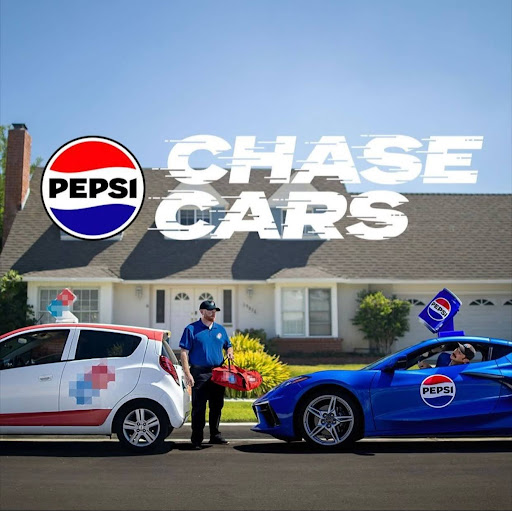
Pepsi is taking an innovative approach to marketing with its latest campaign, ‘Chase Cars,’ which directly connects with consumers at the moment of purchase. This unique activation is designed to surprise customers by delivering free Pepsi products when they order pizza, reinforcing the strong association between the beverage and one of the world’s most popular comfort foods.
Rather than relying solely on traditional advertising channels, Pepsi has introduced an experiential marketing strategy that brings its products directly to consumers in a fun and unexpected way. In select cities, Pepsi representatives discreetly follow pizza delivery drivers and show up at customers’ doors with complimentary drinks. This real-world interaction not only creates a memorable experience for customers but also strengthens brand loyalty in a way that digital campaigns cannot replicate.
Pepsi’s strategy is rooted in data-driven insights that recognize the deep connection between pizza and soft drinks. While Coca-Cola has long dominated the food-service sector, Pepsi is strategically positioning itself as the ultimate beverage companion for pizza nights. This campaign extends beyond the doorstep experience by integrating digital marketing efforts, influencer collaborations, and targeted promotions. Through social media, customers can share their surprise deliveries, generating organic content that amplifies the campaign’s reach.
Additionally, Pepsi has partnered with major pizza chains to include exclusive offers, giving consumers further incentives to choose Pepsi over competing beverage brands. By blending real-world interaction with digital engagement, Pepsi’s ‘Chase Cars’ campaign showcases the power of experiential marketing in today’s consumer landscape.
This bold initiative highlights a growing trend in marketing where brands are moving beyond traditional advertising formats and finding creative ways to interact with their customers directly. Pepsi’s campaign is a prime example of how companies can leverage real-world experiences to create meaningful brand connections while simultaneously driving sales and engagement.